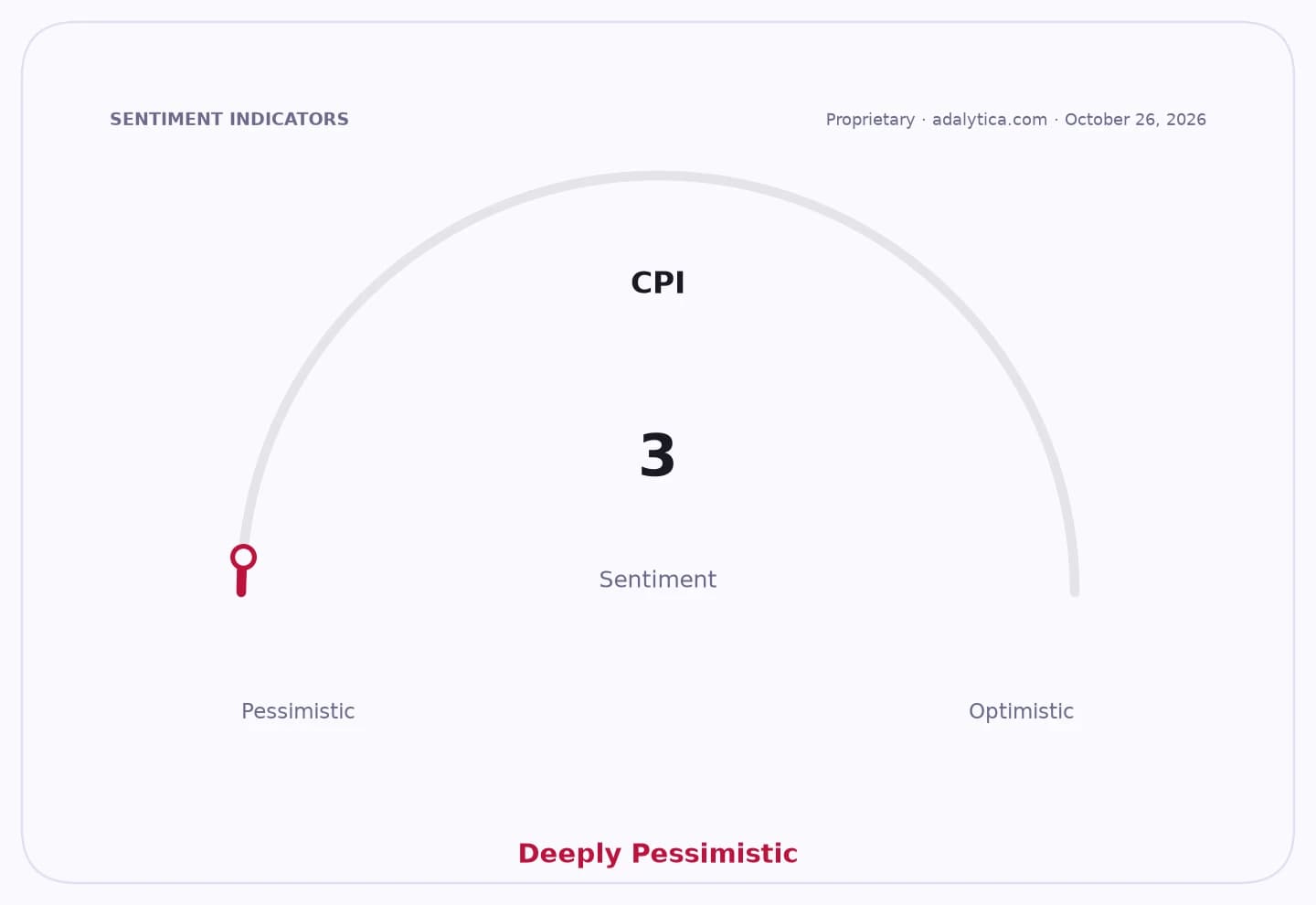
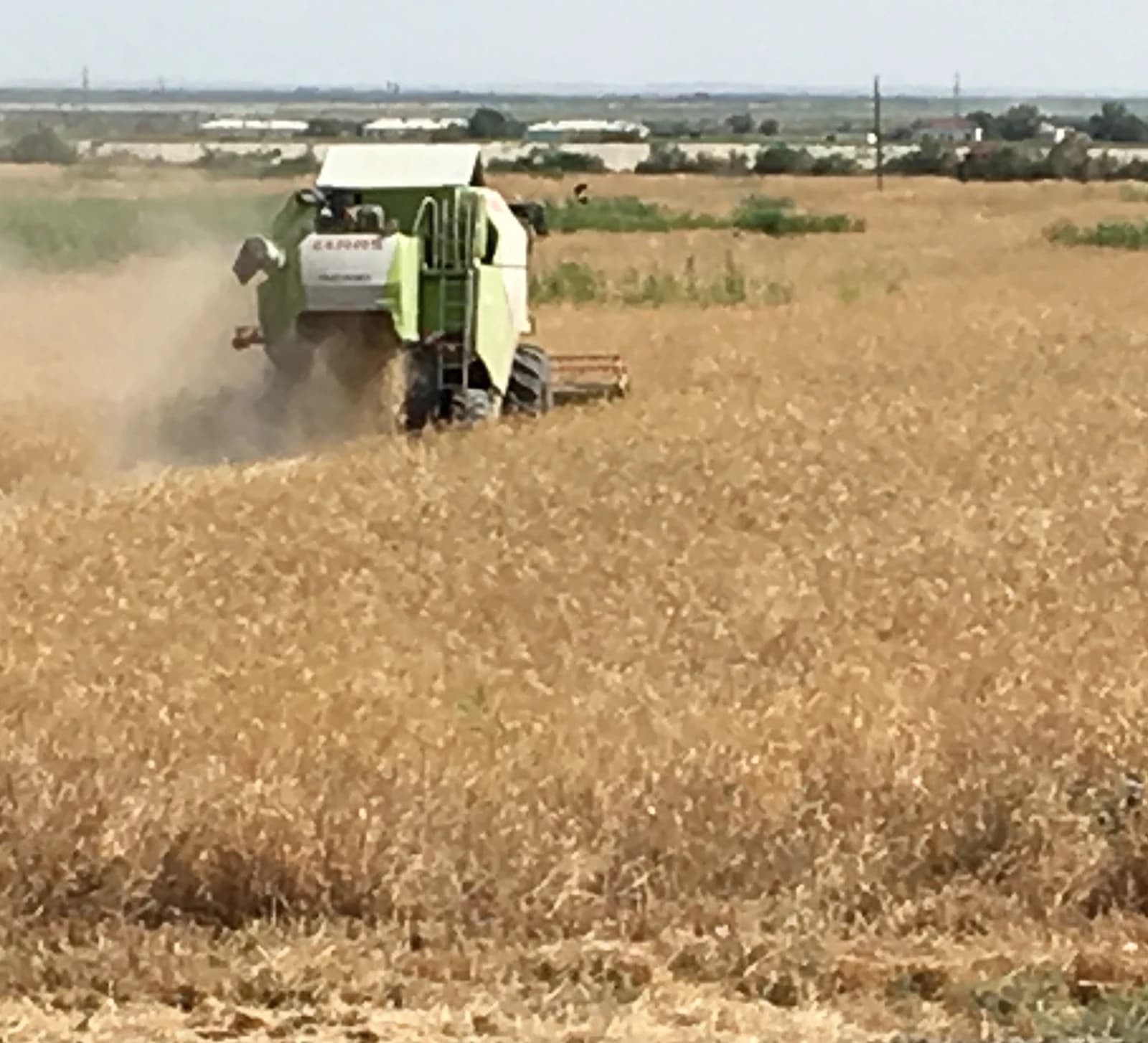
Bali’s egg prices climbed to Rp28,497 per kilogram, adding to signs that food inflation is building across the island’s key staples and pushing up household spending on everyday protein.
Bali egg prices rise to Rp28,497 per kg
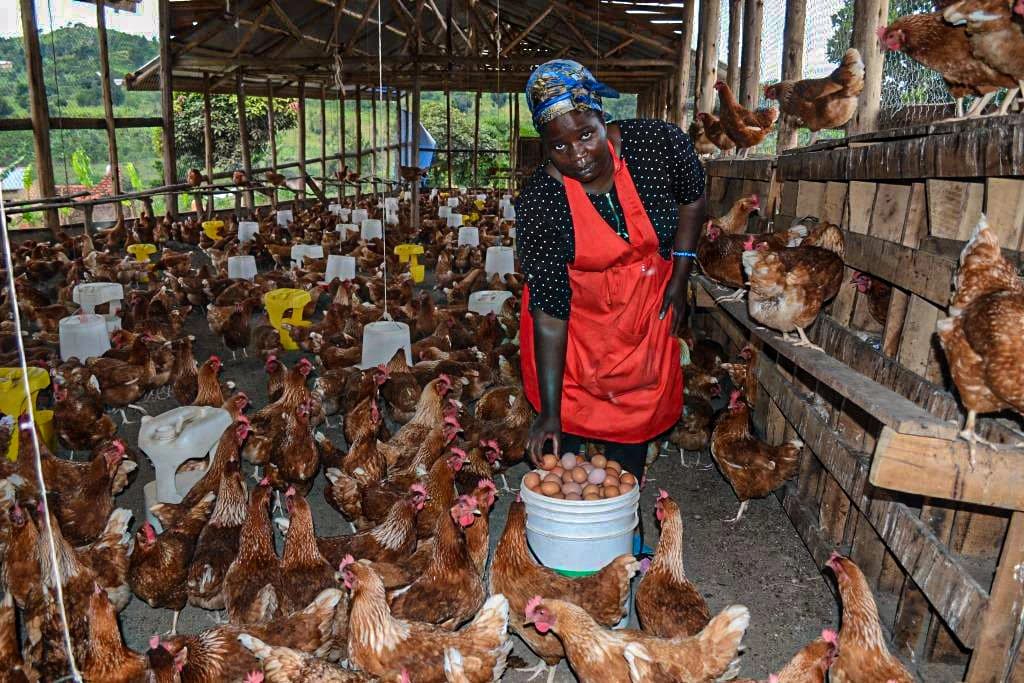
The increase matters because eggs are a core, high-frequency purchase for consumers and a widely used ingredient for food sellers, hotels and small restaurants in Bali’s tourism-driven economy. When egg prices rise alongside other essentials, the pressure quickly filters into broader living costs, especially for lower- and middle-income households that have limited room to absorb higher food bills.
The latest reading, from the province’s Sigapura food price system, shows the rise is not isolated. Rice prices remain elevated across categories, with premium rice at Rp16,227 per kilogram and medium rice at Rp14,990, while chicken meat stands at Rp43,203 and red chili at Rp63,012. Beef has reached Rp121,600 per kilogram, reinforcing the picture of broad-based strength across protein and fresh-food categories rather than a single commodity spike.
For investors, the significance is less about eggs themselves than about what they indicate for purchasing power, margins and policy attention. Persistent gains in food prices can weigh on consumer discretionary spending and raise operating costs for restaurants, caterers and hospitality businesses that depend on stable input prices. In a tourism economy such as Bali’s, food inflation can also feed into service prices, making it harder for businesses to protect margins without risking weaker demand.
The broader narrative is one of supply-side tightness in a market where staple prices are sensitive to logistics, feed costs and seasonal disruptions. If egg prices continue to move higher, local authorities may face pressure to intervene through market operations or closer monitoring of distribution. For now, Bali’s latest price data suggests inflationary pressure is not confined to one item, but is spreading across the food basket.
| Entity | Gains | Losses |
|---|---|---|
| Egg producers | ▲Higher selling prices | ▼Risk of policy scrutiny |
| Retailers and traders | ▲Better margins if stock turns quickly | ▼Demand may soften |
| Bali households | ▲None | ▼Higher food bills |
| Restaurants and hotels | ▲None | ▼Rising input costs |