Hong Kong’s latest infrastructure bond sale cleared at a higher yield and weaker demand, a sign that borrowing costs are edging up even as the government keeps funding public works.
Hong Kong bond auction clears at higher yield
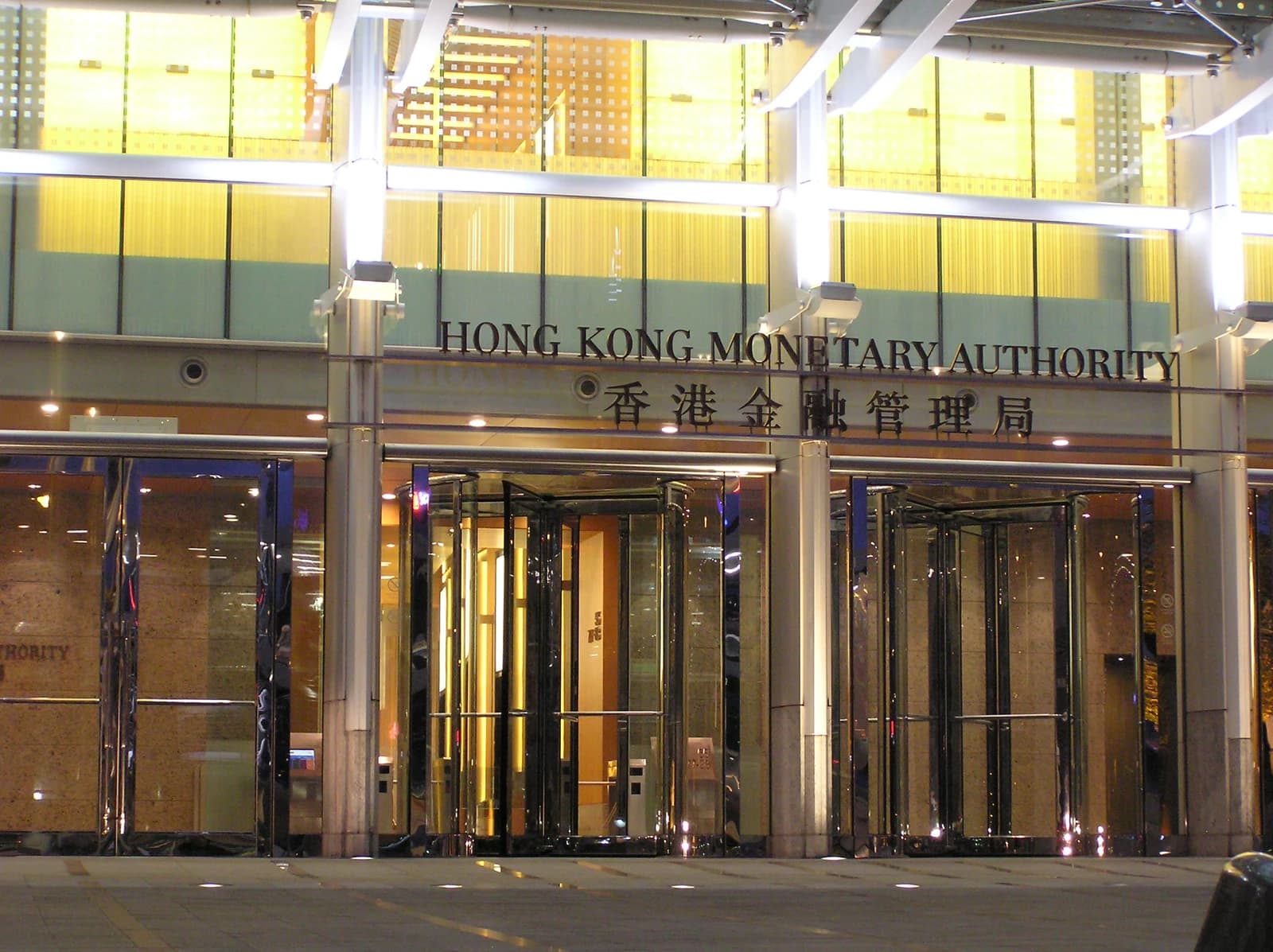
The Hong Kong Monetary Authority allotted the full HK$750 million offered on Oct. 21, but bids totaled just HK$3.537 billion, less than half the July auction’s HK$7.5 billion. Coverage fell to 4.72 times from 10 times, while the average accepted yield rose to 3.821% from 3.137%.
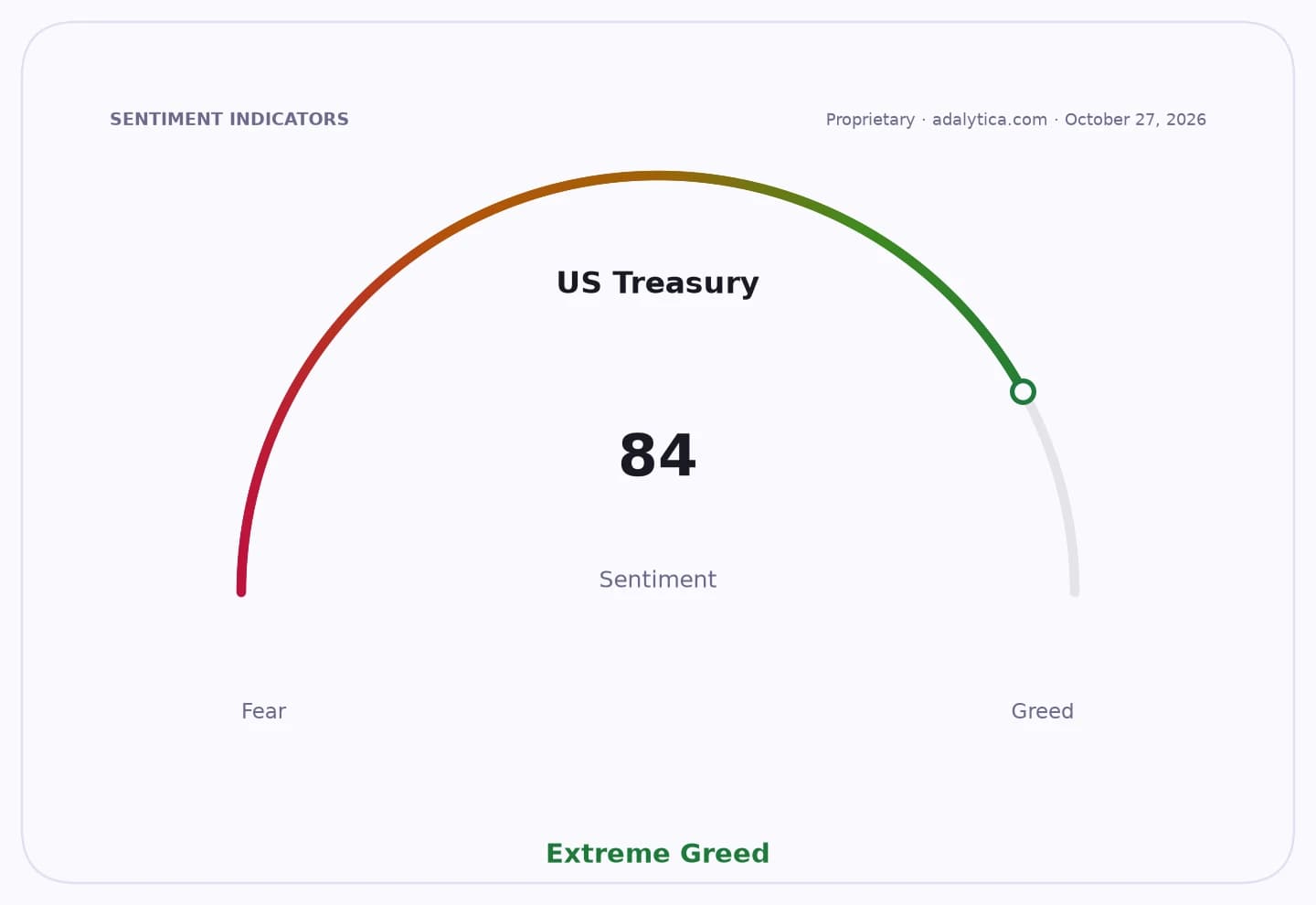
Sentiment Indicators
That matters because infrastructure bonds are not just a financing tool for the government; they are a window into investor appetite for Hong Kong credit and for longer-dated local rates. When bidders demand a higher yield for the same issue size, it means the city has to pay more to raise money for roads, transport and other capital projects. Over time, that can make infrastructure spending more expensive and potentially slow the pace of project financing if the trend persists.
For investors, the auction is a reminder that fixed-income markets are still adjusting to a higher-rate world. The bond was first issued in December 2024 with a 3.23% coupon, but the clearing yield has moved above that level as markets reprice duration and funding risk. The latest auction also came with a pro-rata ratio of about 23%, showing that only a fraction of successful bids were filled in full, despite the entire issue being taken up.
The result is especially important for bond investors watching Hong Kong’s funding conditions and for those comparing local government paper with other income assets. A stronger yield can make the bonds more attractive on a standalone basis, but it also reflects a tougher backdrop for issuers. In simple terms, investors are asking for more compensation to lend.
There is still evidence of support. The bonds were fully allotted, and the HKMA said proceeds will go toward projects under Hong Kong’s Infrastructure Bond Framework, which is designed to fund major works and help bring them online earlier. But the sharp drop in bids versus July suggests enthusiasm has cooled.
For long-term investors, the bigger story is not one auction. It is the direction of travel: Hong Kong is still able to fund itself, but it is doing so at a noticeably higher price. If rates stay elevated, that could feed into the city’s broader fiscal math and keep pressure on policymakers to choose carefully among competing spending priorities. Worth watching is whether future reopenings see demand stabilize or whether this higher-yield environment becomes the new normal.
| Entity | Gains | Losses |
|---|---|---|
| Hong Kong government | ▲Fully funded auction | ▼Higher borrowing cost |
| Bond buyers | ▲Higher yield pickup | ▼Lower auction price |
| Infrastructure projects | ▲Reliable funding stream | ▼More expensive capital |
| Existing bondholders | ▲— | ▼Mark-to-market pressure |