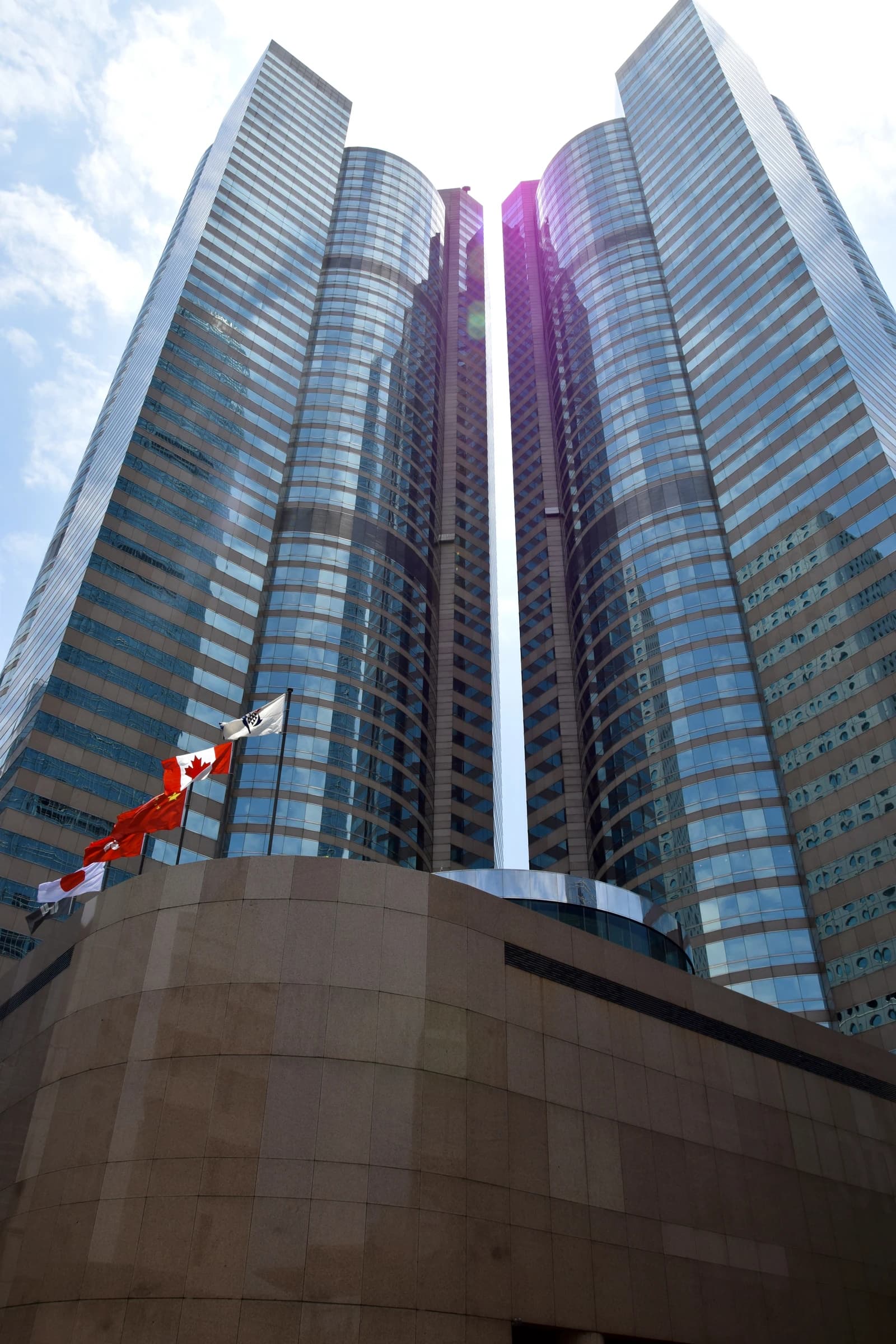
Tung Chee-hwa, the first chief executive of Hong Kong after the 1997 handover to China, has died at 89, closing the chapter on the man Beijing chose to inaugurate the city’s post-colonial order.
Hong Kong Former Leader Tung Chee-hwa Dies at 89
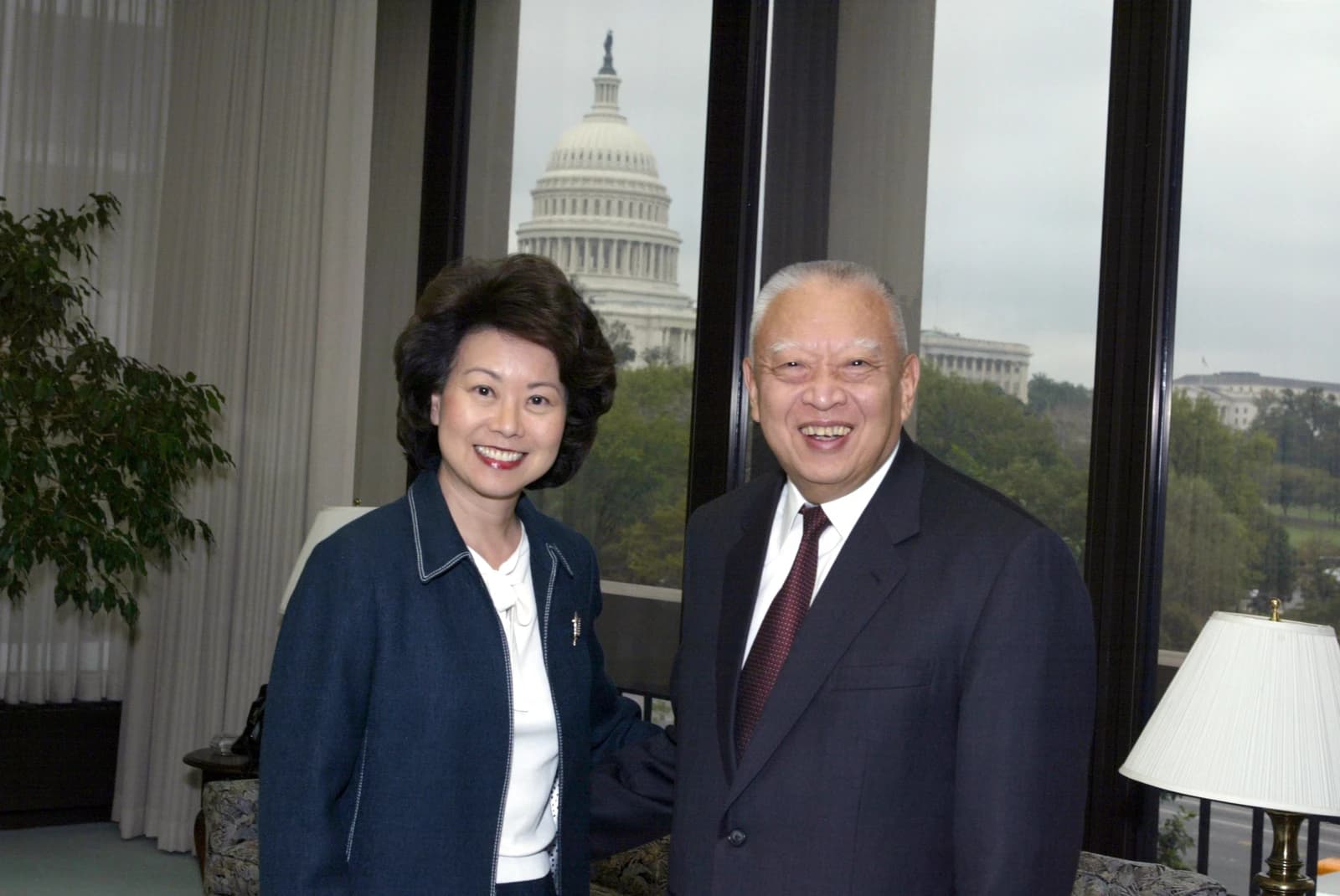
His death matters because Tung was more than a former official: he was the face of Hong Kong’s first experiment under Chinese sovereignty, and his tenure remains the template against which investors and policymakers still judge the city’s autonomy, stability and political risk. For markets, that history is not abstract. Hong Kong sits at the intersection of China exposure, capital flows and rule-of-law concerns, and Tung’s legacy is a reminder that the city’s valuation has always been tied to politics as much as profits.
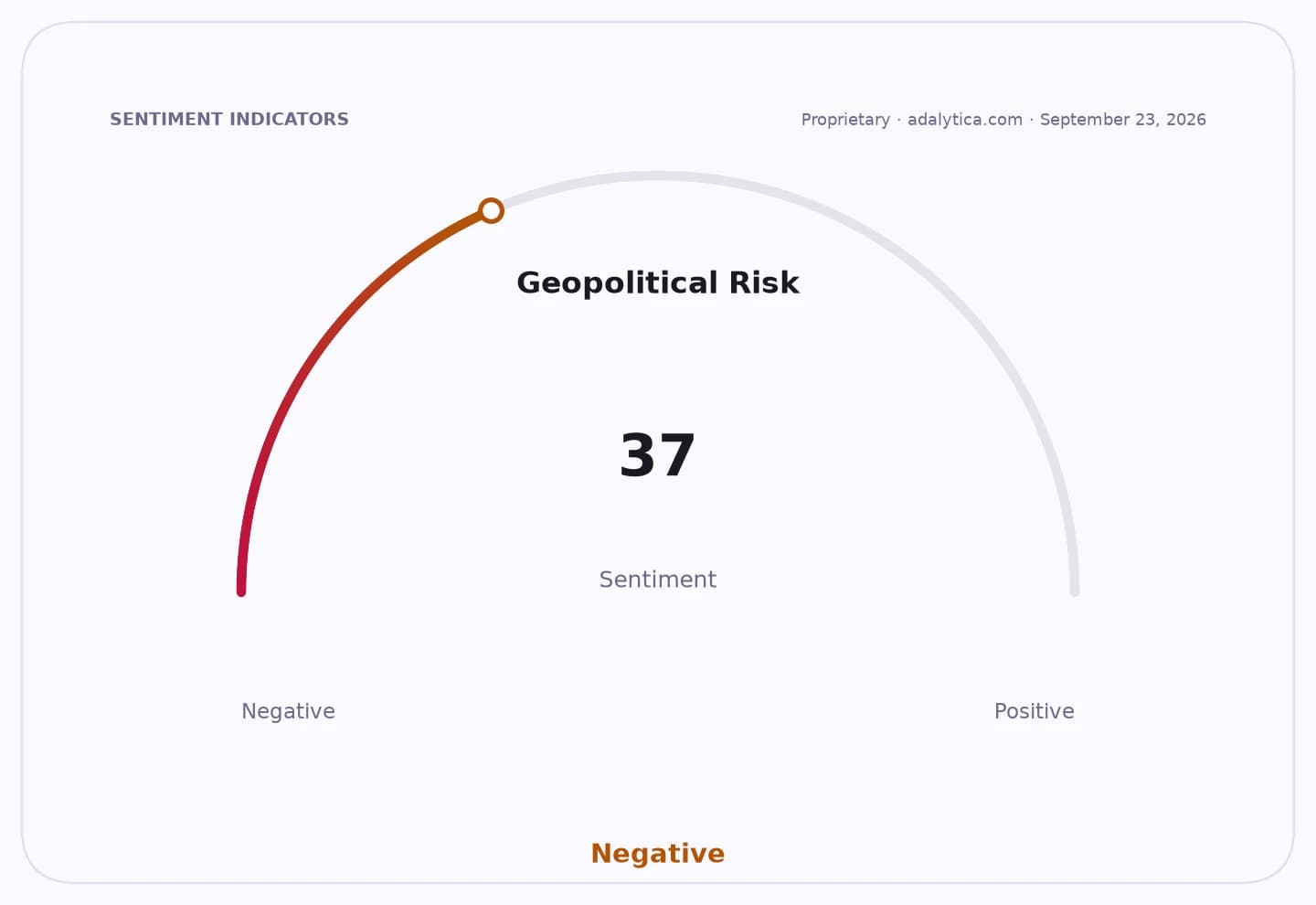
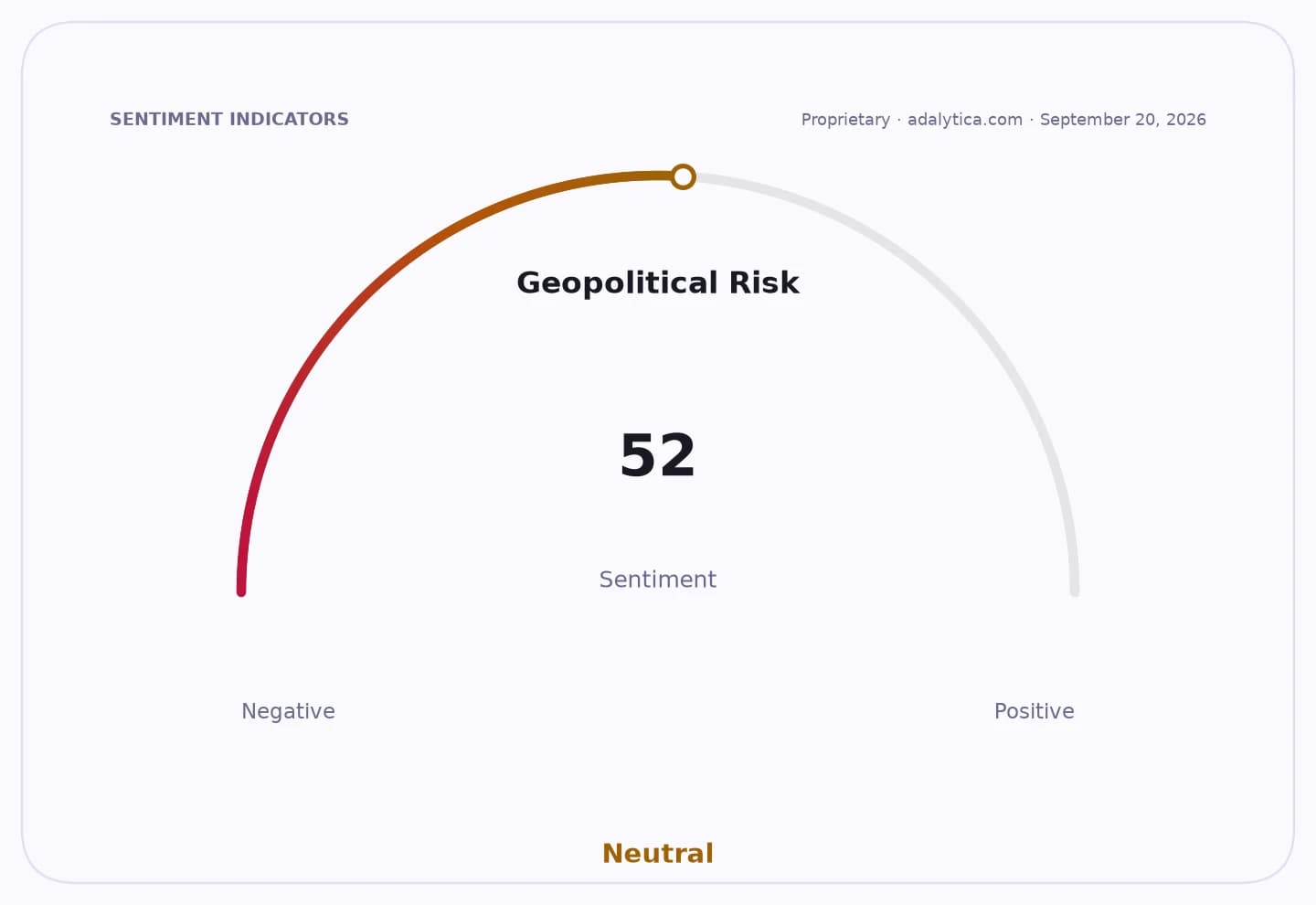
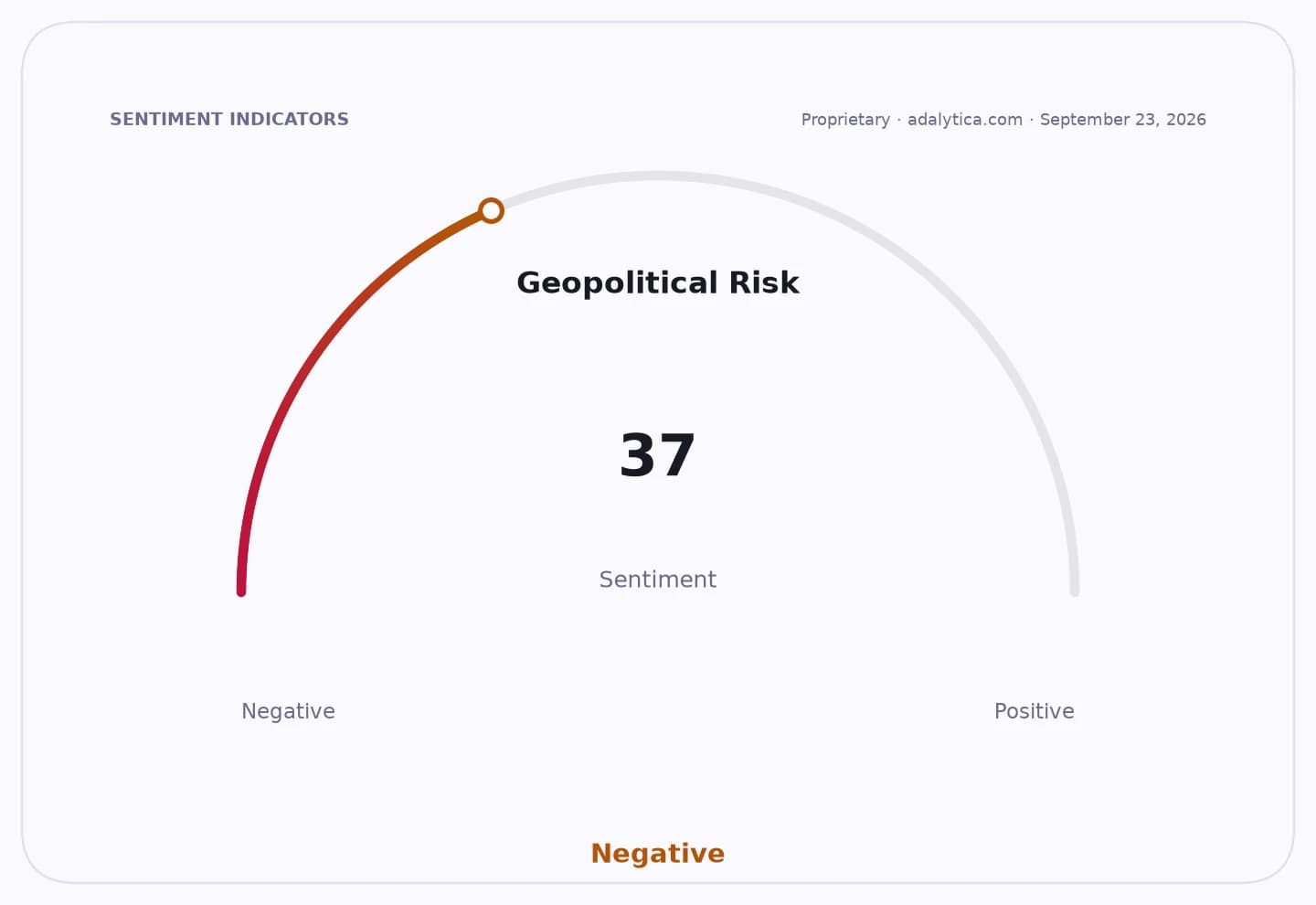
Sentiment IndicatorsⓘProprietary · adalytica.com · September 9, 2026
This is a snapshot — live sentiment, awareness and momentum for 130+ markets update continuously in the dashboard.Open AlphaPulse
Tung, a shipping magnate born in Shanghai, was appointed by Beijing to lead the territory after Britain returned it to China. He guided Hong Kong through the Asian financial crisis and into the SARS outbreak, while also confronting record unemployment and growing alarm over Beijing’s role in local affairs.
The most consequential moments of his rule came in 2003 and 2004, when mass protests against proposed national security laws and then demands for democracy exposed the limits of the new arrangement. Those demonstrations — with hundreds of thousands taking to the streets — became an early warning that Hong Kong’s promise of “one country, two systems” would be tested far sooner, and more severely, than many investors expected.
For markets, the key takeaway is that Hong Kong’s political premium is structural, not cyclical. The city’s institutions can still support finance, trade and listing activity, but sentiment shifts quickly when governance comes into question. That is why the Hong Kong-linked ETF FXI remains sensitive not just to China growth, but to every reminder that the city’s policy framework is inseparable from Beijing.
The broader investment implication is that stability in Hong Kong is valuable precisely because it is fragile. When confidence in the city’s autonomy improves, capital moves back into financials, property and China-facing assets; when that confidence weakens, investors tend to demand a discount across the entire Hong Kong and China complex. Tung’s death will not move markets on its own, but it revives the core question that has defined the city for nearly three decades: whether Hong Kong can preserve the conditions that made it a global financial hub while operating under tightening political control.
For investors, the opportunity lies in distinguishing between headline risk and economic durability. Hong Kong’s market has repeatedly absorbed political shocks, but the long-term winners have been the firms that can navigate both Beijing’s priorities and global capital’s need for transparency. That makes the city’s financial infrastructure, exchange-linked businesses and China gateways the most resilient exposure, while policy-sensitive sectors remain the most vulnerable. Tung’s passing is a reminder that in Hong Kong, politics is never far from pricing.
| Entity | Gains | Losses |
|---|---|---|
| Beijing | ▲Historical legitimacy narrative | ▼Scrutiny of Hong Kong policy |
| Hong Kong financial firms | ▲Stability premium if politics calm | ▼Higher risk discount if tensions rise |
| FXI / China-linked investors | ▲Potential rebound on stability | ▼Volatility from policy uncertainty |
| Pro-democracy camp | ▲Renewed attention to autonomy debate | ▼Little direct gain from legacy tributes |