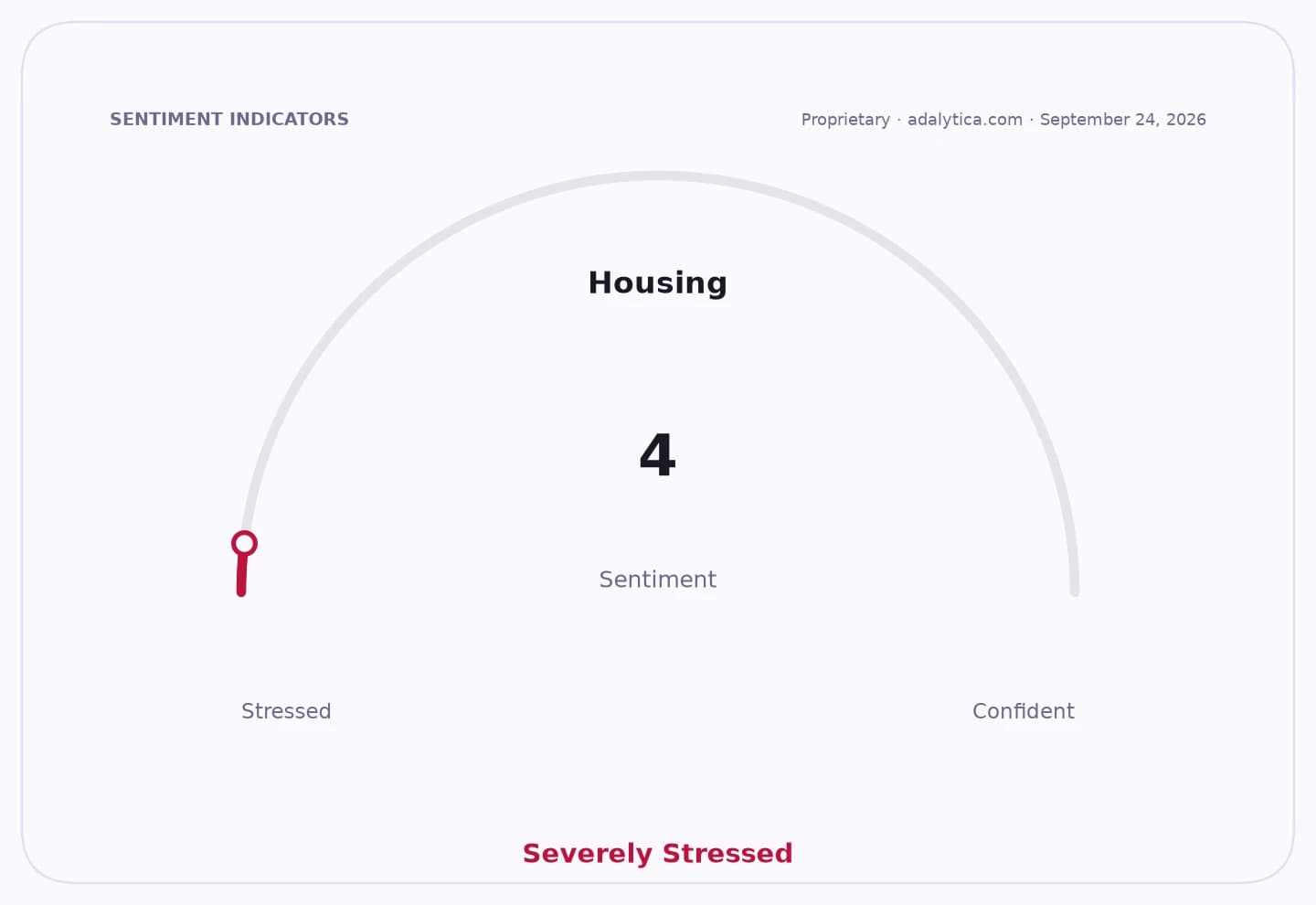
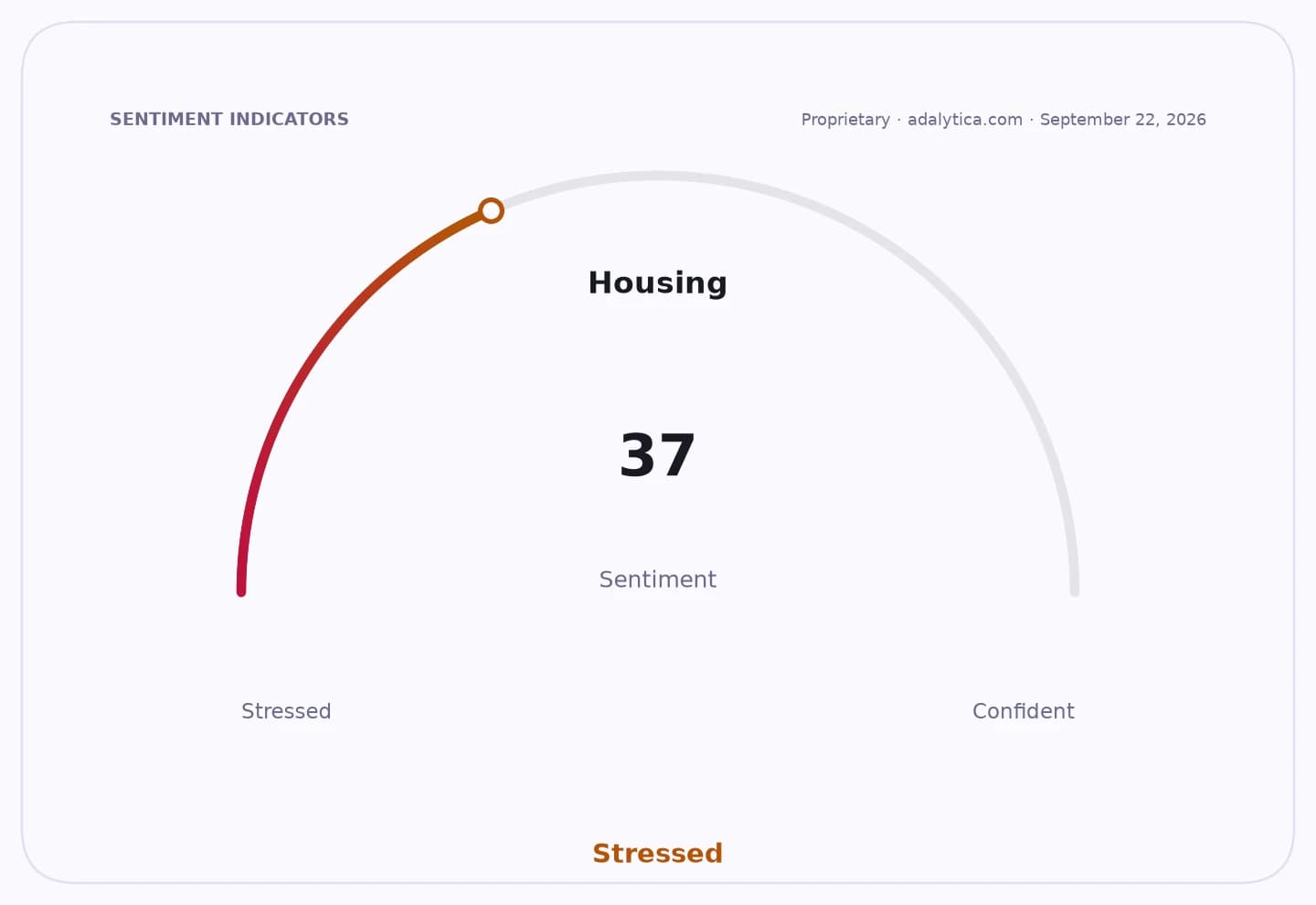
Mortgage credit is starting to revive hopes for the housing market, but the recovery still depends on whether lending can become broad enough and cheap enough to pull in first-time buyers and middle-class households.
Housing Market Mortgage Credit Revival
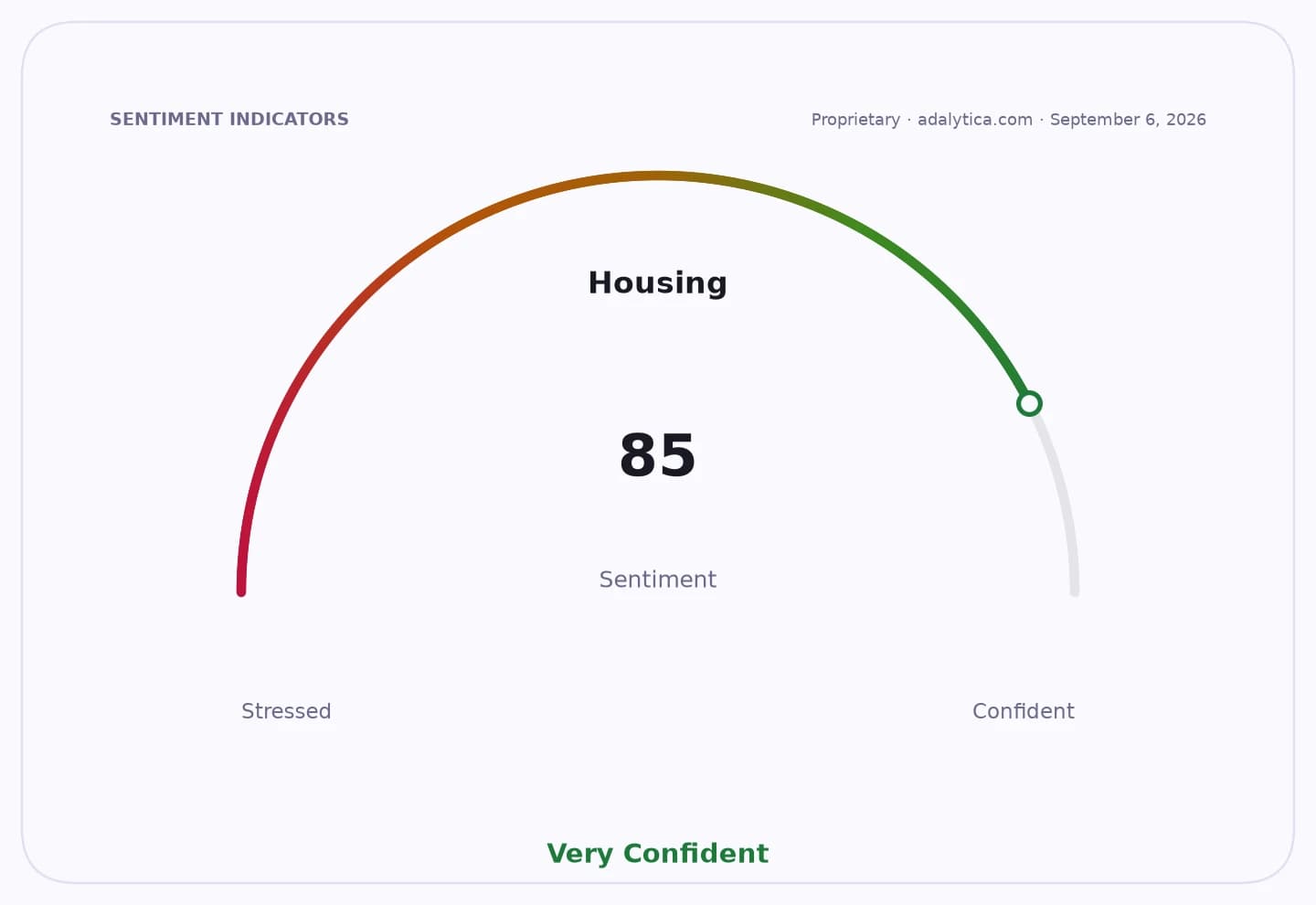
Real estate groups say a return of longer-term home loans would unlock a large pool of pent-up demand from buyers who have had the capacity to pay but not the financing to act. The biggest prize is among younger households and people trying to buy their first home, where mortgage access can convert high rents into monthly payments that build equity instead of covering a landlord’s asset.
That matters for the economy because housing credit is one of the cleanest transmission channels from easier financing to broader activity. Each transaction feeds banks, brokers, notaries, lawyers, developers, builders, suppliers and materials companies, creating a multiplier effect well beyond the sale of a single property.
The sector’s optimism comes with a warning: the details of the loan matter as much as the existence of the loan. Rates, maturities, down-payment requirements and the share of income consumed by monthly installments will determine whether demand turns into sustained volume or just a short-lived bounce.
Housing vs ITBadalytica.com
Explore this data interactively — full history, time series and cross-market comparisons.Open AlphaPulse
Investors are watching mortgage availability because it can move both transaction activity and construction pipelines. In the U.S., homebuilder ETF ITB has slipped to $93.91 from a recent peak above $105, while the SPDR S&P Homebuilders ETF XHB trades at $103.25, well below its summer highs, underscoring how quickly the market marks down the sector when borrowing conditions tighten.
The same credit sensitivity is showing up in related housing names. Zillow, which has mortgage origination exposure, has pointed to the impact of persistently high mortgage rates on consumer transactions, while single-family rental operators such as Invitation Homes and American Homes 4 Rent remain tied to housing fundamentals and financing conditions.
Conventional technical indicators also suggest the homebuilder trade is still fragile rather than in a clear rebound, with ITB’s RSI at 38.7 and XHB’s at 35.5, both below their recent averages and near oversold territory. That leaves the sector vulnerable to another rate shock, but also gives it room to rally if mortgage credit improves meaningfully.
For now, the narrative is straightforward: housing demand exists, but it is being held back by access and affordability. A durable easing in mortgage credit would not just support home sales; it would help re-activate one of the economy’s biggest linked industries, from banking to construction.
| Entity | Gains | Losses |
|---|---|---|
| First-time buyers | ▲Better access to homeownership | ▼High monthly rent burden |
| Banks and lenders | ▲More mortgage origination volume | ▼Loan demand if credit stays tight |
| Homebuilders and suppliers | ▲More sales and project starts | ▼Slower construction if financing remains costly |
| Renters | ▲Chance to build equity | ▼Landlords if renters switch to buying |