The Hungarian forint was the clearest short-term winner from the U.S. midterm elections, gaining roughly 1% against the dollar and almost 0.5% against the euro as investors took relief from the outcome’s likely restraint on President Donald Trump’s policy agenda.
Hungarian forint gains after U.S. midterm vote
US Dollar
That matters because currencies move first when markets reassess global growth, trade and interest-rate risks. A weaker dollar and lower U.S. Treasury yields typically ease pressure on emerging-market assets, and that is exactly the backdrop the forint was trading in after the vote. The dollar’s slide was broad enough to lift other regional currencies too, with the Czech koruna and Polish zloty both firmer versus the greenback.
Sentiment Indicators
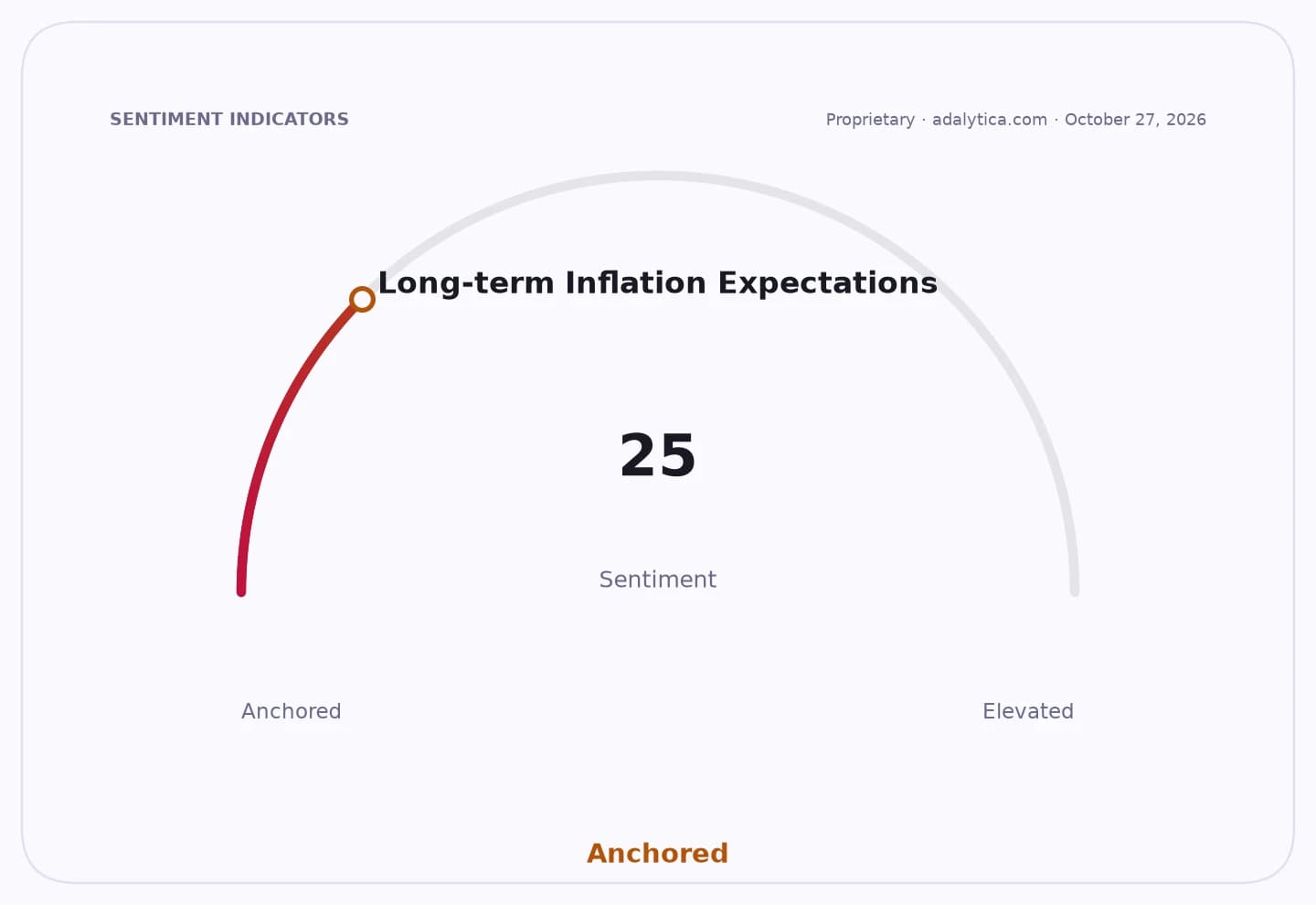
For investors, the message is simple: the forint is no longer just reacting to local Hungarian headlines. It is being pulled by a wider macro mix that includes U.S. politics, the dollar’s direction, and global risk appetite. That is why the currency can outperform even the euro in the near term, especially when international funds unwind defensive dollar positions.
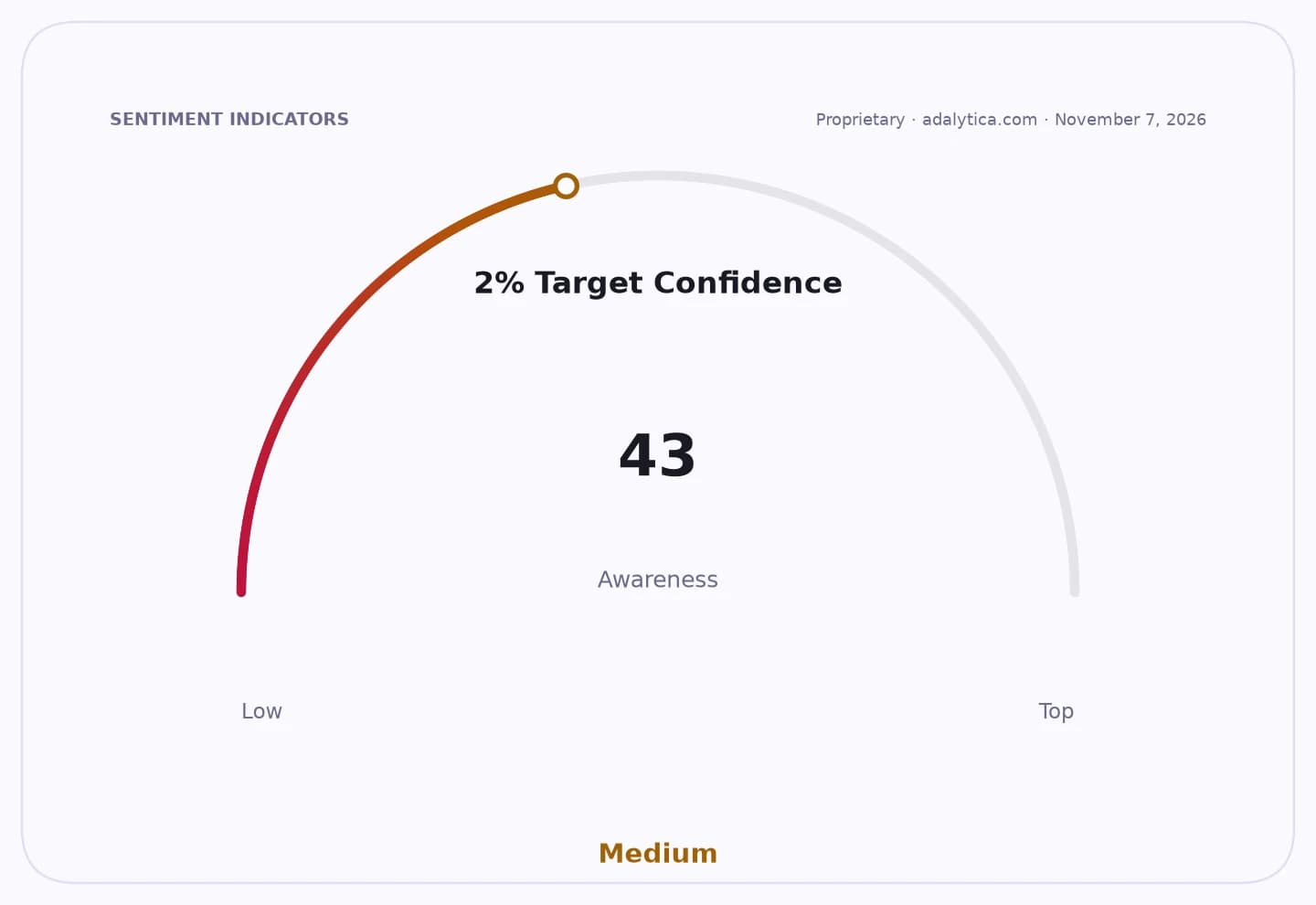
The move was also reinforced by technical trading flows. FXE, a euro-tracking fund, recently hovered near $103 to $104 after bouncing from a weaker patch, while FXY, a yen fund, has been comparatively steadier. More telling is the broader dollar backdrop: Adalytica’s U.S. dollar trade signals show sentiment in “Fear,” while euro signals sit in “Extreme Greed,” a classic setup for a softer dollar tone and firmer risk-sensitive currencies.
Still, this is not just a story about one day’s rally. ING’s Frantisek Taborsky said the election result looked largely priced in and should have only limited direct impact on emerging markets, but he argued that a weaker dollar and lower U.S. yields could support Central and Eastern European currencies and even help bring regional interest rates lower. That is the real economic link for Hungary: if external pressure on the forint eases, the National Bank of Hungary gets more breathing room.
Some brokers see a more complicated path. Equilor warned that a stronger Democratic position in Washington could keep pressure on technology regulation and delay U.S. fiscal stimulus, while the political uncertainty may push the dollar and Treasury yields lower over the medium term. For Hungary, that could be helpful in the short run, but it does not solve the domestic issues that matter most over the next few years: inflation, growth, fiscal discipline and the credibility of the country’s currency regime.
And that is where long-term investors should keep their focus. A stronger forint on a U.S. political event is one thing; a durable re-rating of Hungarian assets is another. The currency still has to prove it can hold gains once the initial positioning unwind fades. If global risk appetite stays constructive and energy prices remain calmer, the forint can keep drawing support. But if U.S. yields rebound or trade tensions flare again, the same currency can lose that advantage quickly.
For now, the midterm result has given Hungary’s currency a welcome tailwind. Investors should treat that as a tactical boost, not a structural victory, and keep watching the dollar, Treasury yields and regional rate expectations as the real drivers from here.
| Entity | Gains | Losses |
|---|---|---|
| Forint | ▲Near-term FX outperformance | ▼Safe-haven demand fades |
| Dollar | ▲Lower yields pressure eases later | ▼Global positioning unwind |
| Euro | ▲Stronger risk sentiment in Europe | ▼Loses relative FX leadership |
| Hungarian exporters | ▲More stable financing conditions | ▼Stronger currency hits competitiveness |