Hungary has locked in a 2027 minimum-wage deal that will lift take-home pay far more than headline salaries, and that matters because the real economic effect will be felt in consumer spending, labor costs and margin pressure across the domestic economy.
Hungary 2027 minimum wage deal lifts take-home pay
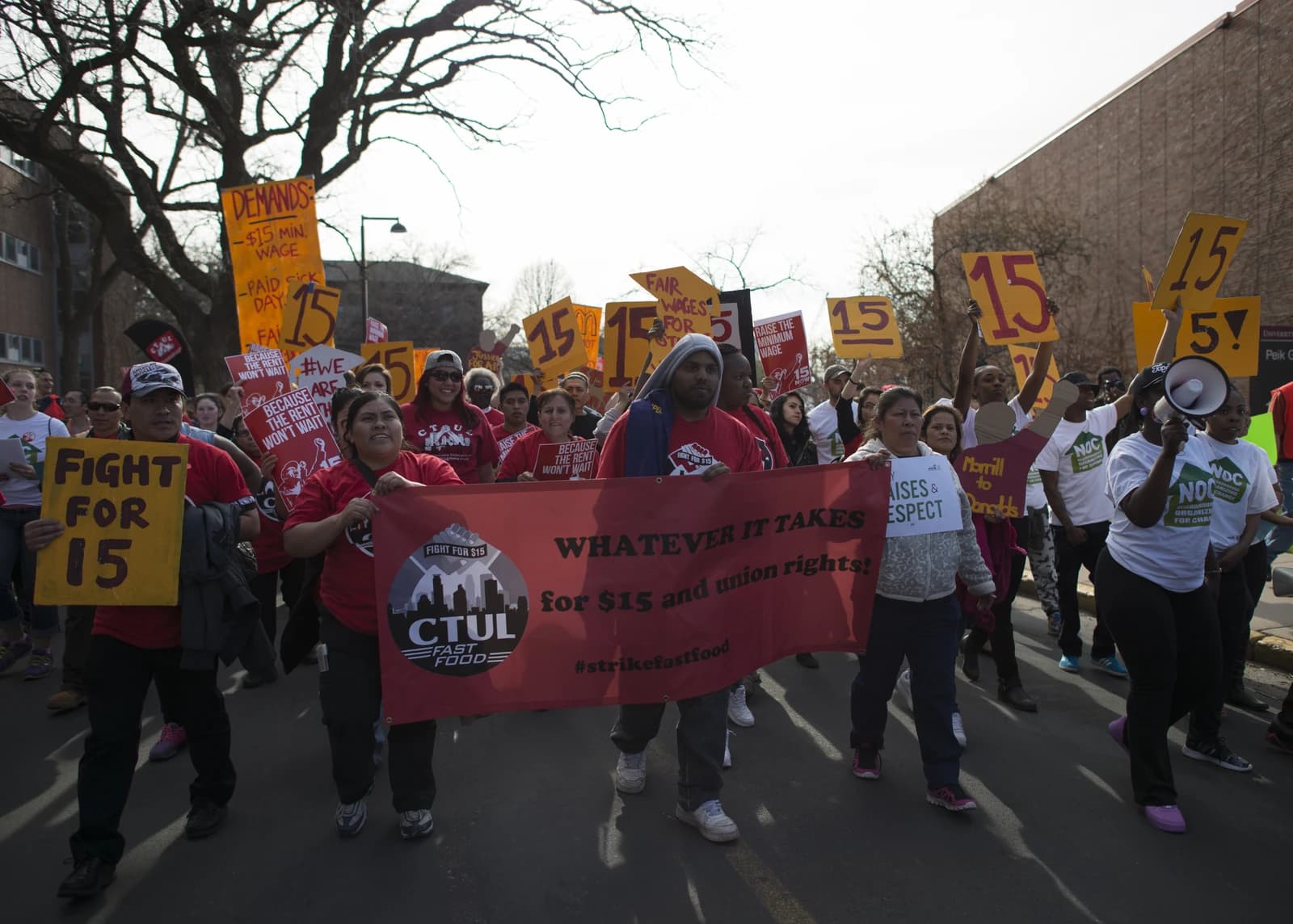
The agreement reached at the Nov. 19 VKF meeting sets the gross minimum wage at 347,000 forints a month, up 7.5% from 322,800 forints in 2026, while the guaranteed wage minimum rises 6.1% to 396,000 forints from 373,200 forints. But the bigger story is the tax credit layered on top of the wage increase: for minimum-wage workers, the effective personal income tax burden would fall from 15% to 9%, lifting net pay to 251,575 forints a month. That is a 17.2% jump from the 214,662 forints expected in 2026.
Sentiment Indicators
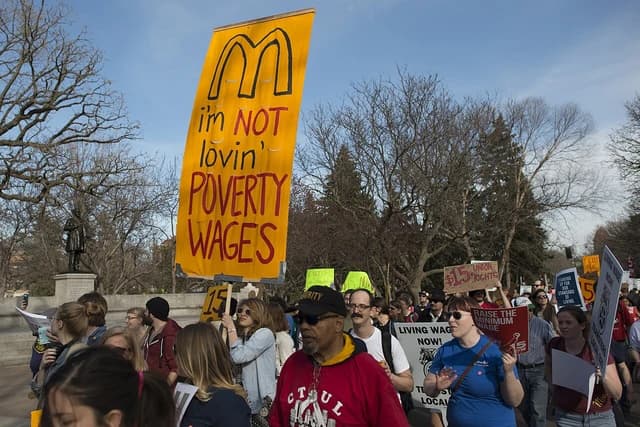
For investors, that split between modest gross wage growth and much faster net income growth is the key signal. It points to a direct boost to household consumption without an equally large jump in reported wage bills, which is exactly the kind of policy mix that can support retail sales, food, leisure and discount spending. At the same time, employers still have to absorb higher payroll costs, and the 5% general wage recommendation for the private sector suggests authorities are trying to keep broader pay growth below the statutory floor.
The guaranteed wage minimum tells a similar story. It will rise to 396,000 forints in gross terms, but net pay should reach 281,220 forints, up 13.3% from 248,178 forints. That is still a meaningful real-world raise for skilled workers in lower-paid occupations, and it reinforces the idea that the policy is designed to protect lower-income households while keeping the burden on businesses manageable.
That compromise is economically important in a country where wage policy feeds directly into inflation, consumer demand and corporate pricing power. Higher net income should help the weakest earners, but it also risks keeping services inflation sticky if employers pass on higher labor costs. The real question for markets is not whether wages are going up — they are — but whether companies can defend margins without slowing hiring or lifting prices too aggressively.
The winners are clear: workers at the bottom of the pay scale, domestic consumer-facing businesses and possibly retailers with exposure to everyday spending. The laggards are labor-intensive employers, especially in low-margin sectors where wages are a bigger share of costs. That makes this more than an administrative decision. It is a redistribution of purchasing power, and in an economy like Hungary’s, that can move both growth and inflation expectations.
The market underestimates how much of the 2027 story is really about net disposable income rather than headline pay. If the tax credit is implemented as planned, the consumer impulse could be stronger than the gross wage numbers suggest — and that is where the investable opportunity lies. For investors, the trade is straightforward: favor domestic demand beneficiaries and stay cautious on labor-intensive businesses with limited pricing power.
| Entity | Gains | Losses |
|---|---|---|
| Minimum-wage workers | ▲Higher take-home pay | ▼Limited upside from gross wage alone |
| Hungarian consumers | ▲More disposable income | ▼Higher inflation risk |
| Retailers and service firms | ▲Stronger spending demand | ▼Margin squeeze from labor costs |
| Labor-intensive employers | ▲Manageable 5% wage guidance | ▼Higher payroll expenses |