Hungary’s central bank left its benchmark rate unchanged at 5.50% on Tuesday, but the decision did little to dispel concern that the forint could come under pressure if inflation proves stickier than policymakers expect.
Hungary MNB Holds Rates at 5.50%

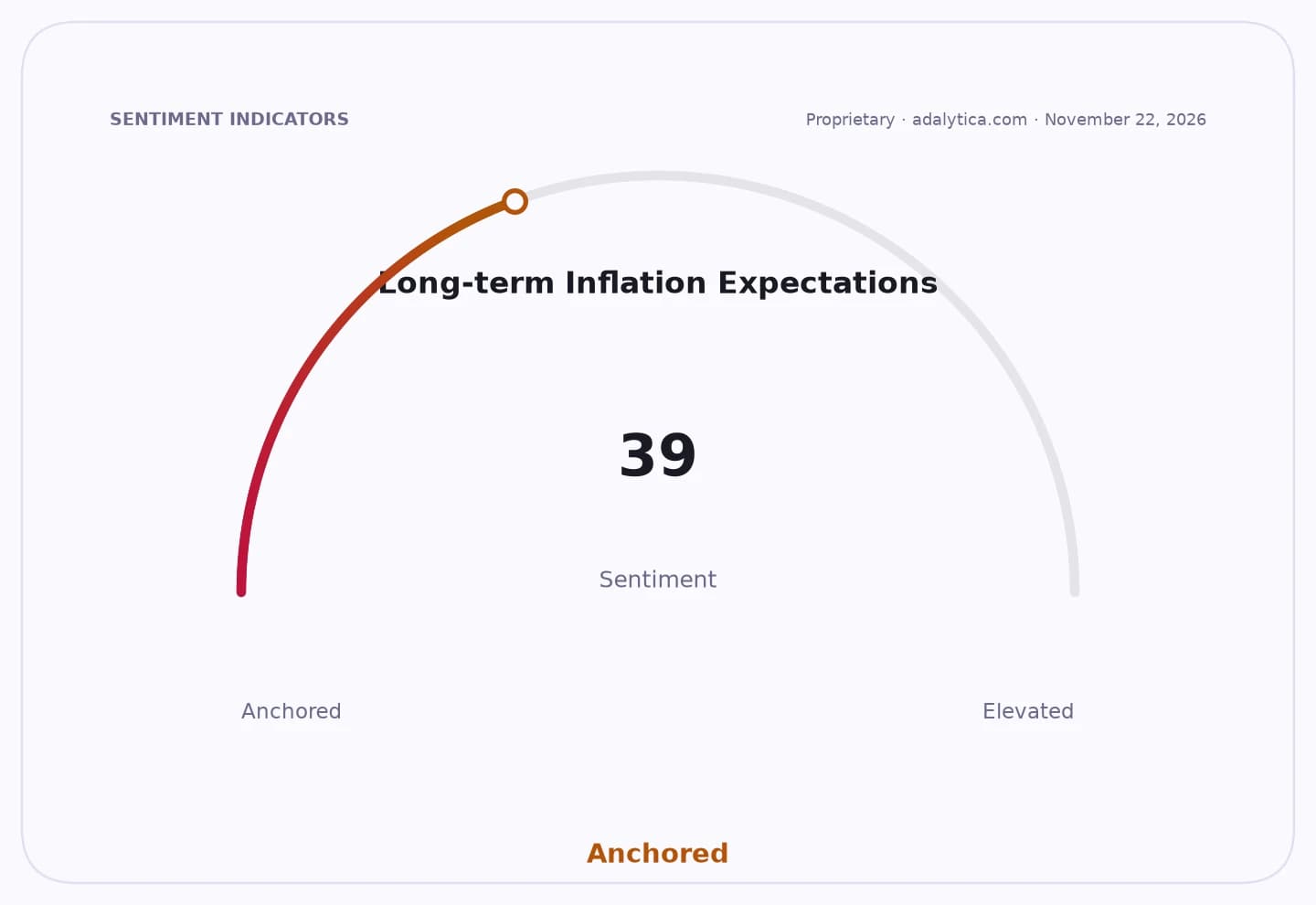
The Magyar Nemzeti Bank also held its overnight deposit rate at 4.50% and its overnight collateralized lending rate at 6.50%, keeping the rate corridor intact as it balances disinflation progress against currency stability. The bank said risk perceptions had remained stable and argued that positive real rates and a steady foreign-exchange market were helping anchor expectations, while also pointing to the government’s commitment to adopting the euro as a factor that could widen future policy flexibility.
Sentiment Indicators
That combination is what makes the decision economically significant: Hungary is preserving a still-restrictive stance, but officials are also leaving the door open to easier policy later. For markets, that creates a narrow path. If price pressures stay contained, the central bank can begin normalising policy without disrupting the currency. If they do not, any easing bias could quickly undermine the forint, especially with investors already sensitive to the gap between headline inflation and underlying price momentum.
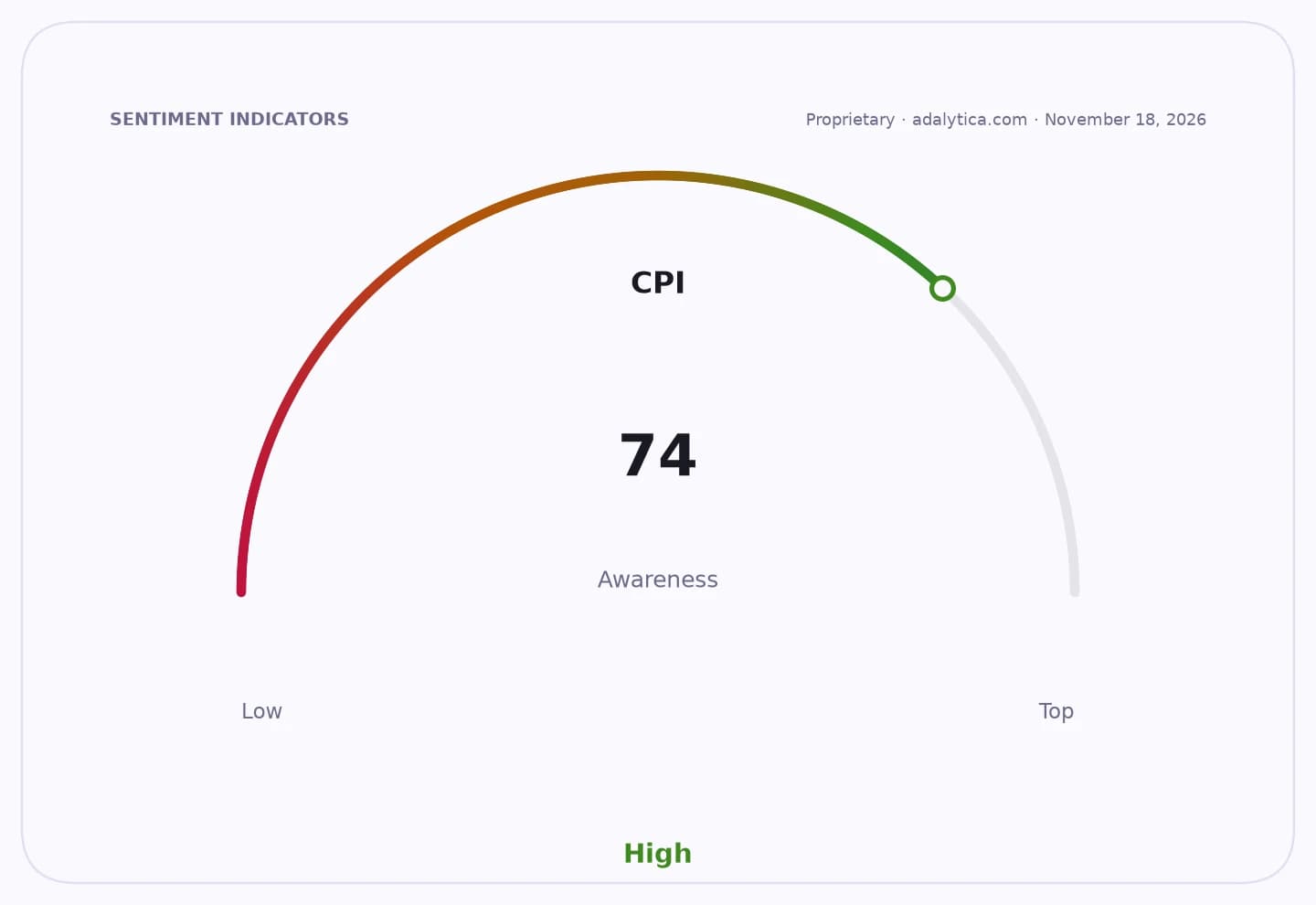
Commerzbank analyst Tatha Ghose said the bank’s emphasis on improved risk premia and euro adoption could become a liability for the currency if the headline inflation rate is masking persistent domestic price pressure. Hungary’s consumer prices rose 2.0% in October from a year earlier, within the central bank’s broad target framework, but core inflation was 2.1% and services inflation rose 5.2%, suggesting the disinflation story is not yet fully secure. Motor-fuel prices also climbed 11.3%, underscoring the extent to which volatile components can still re-accelerate the overall basket.
The policy backdrop matters because the MNB is trying to protect credibility while preparing for a lower medium-term inflation target of 2.5% from Jan. 1, 2028, with a symmetric tolerance band of 1 percentage point. That lower target is framed as consistent with eventual euro adoption, but it also raises the bar for price stability and makes the central bank more dependent on disciplined inflation dynamics in the months ahead.
The immediate investor implication is that the forint remains highly sensitive to the next inflation print and the tone of the December Inflation Report, which will shape how much room the MNB has to ease. If policymakers sound more confident than the data justify, the currency could weaken as traders question whether the bank is moving too quickly. If they stay cautious, rate support should remain a partial buffer for the forint, even as domestic growth and policy normalisation debates continue.
The next market test comes with the release of abridged minutes on Dec. 2. For now, Hungary has opted for patience, but the balance between inflation credibility and currency stability is narrowing.
| Entity | Gains | Losses |
|---|---|---|
| MNB | ▲Policy flexibility | ▼Near-term easing room |
| Forint | ▲Higher-rate support | ▼If inflation stays sticky |
| Borrowers | ▲Lower future rates potential | ▼Current tight financing |
| FX traders | ▲Volatility opportunities | ▼Clear directional conviction |