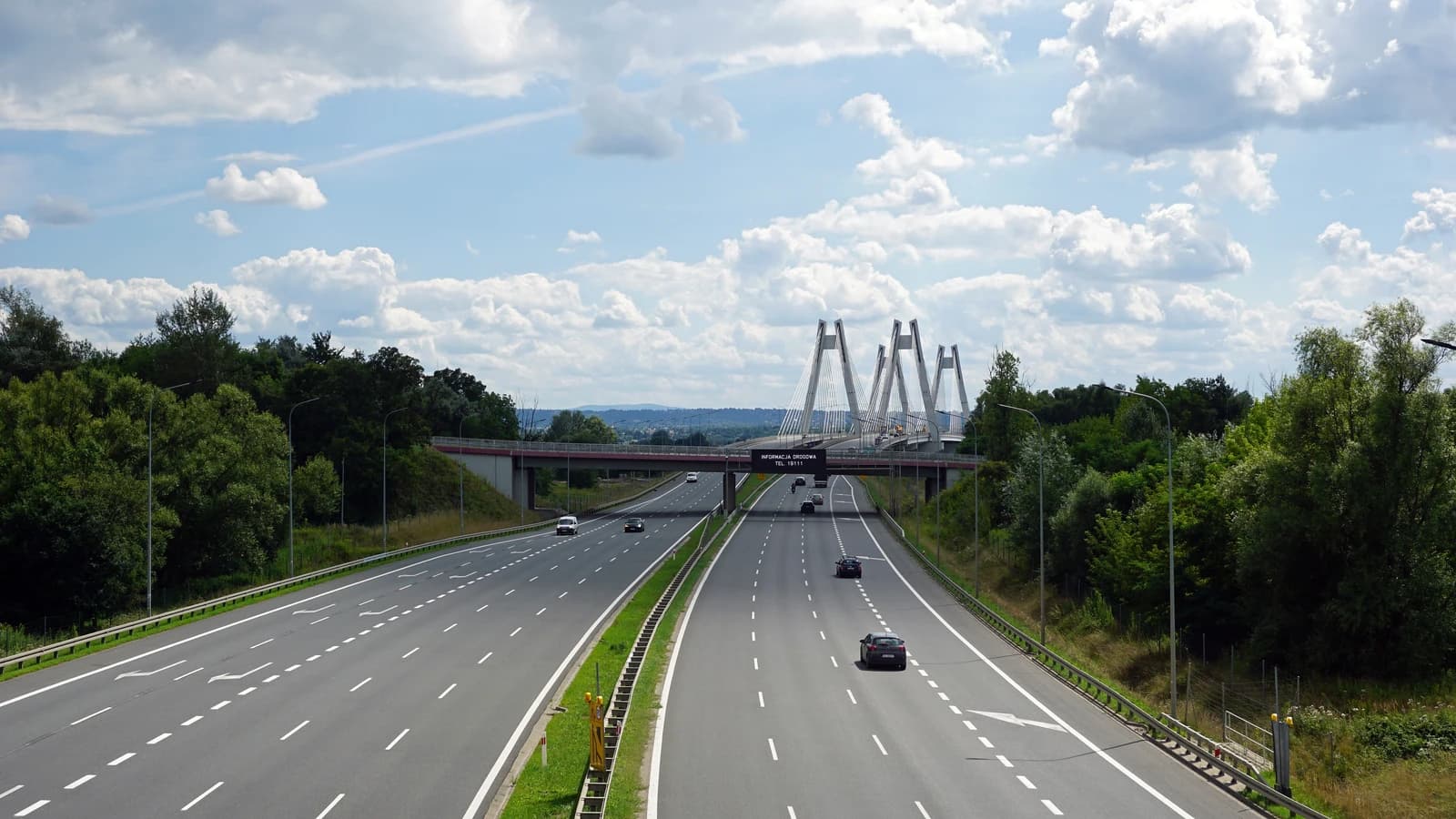
Hungary’s incoming Tisza government is putting roads at the center of its early economic agenda, with plans to spend 100 billion forints on road renovation next year — five times the 20 billion forints allocated this year.
Hungary plans 100 billion forint road repairs

For investors and the broader economy, that matters because infrastructure spending is one of the fastest ways a government can support growth, improve productivity and ease one of the most visible bottlenecks in daily business. Better roads reduce transport costs for manufacturers, farmers and exporters, while also supporting construction activity and local suppliers that depend on public works.
The announcement from transport and investment minister Dávid Vitézy comes as Péter Magyar also signaled a more conventional, statesmanlike tone by offering condolences to Poland after the Kraków shooting that killed six people. That diplomatic message may seem separate from the spending pledge, but together they help define the Tisza government’s early image: pro-European, pragmatic and focused on competence rather than ideological confrontation.
The road program would also give a lift to Hungary’s construction and infrastructure supply chain. A larger repair budget means more demand for asphalt, machinery, labor and maintenance services, and Vitézy said Magyar Közút would receive nearly 5 billion forints to renew its vehicle fleet. For listed investors, that can matter through sentiment toward contractors, materials suppliers and transport-linked businesses, even if the benefits arrive gradually rather than in a single burst.
There is also a political economy angle. Roads are highly visible, easy for voters to judge and often neglected until they become a drag on travel times and logistics. A government that moves quickly on repairs can win credibility with households and businesses alike, especially if it pairs spending with cleaner procurement and tighter project delivery.
The broader test will be execution. Hungary has a long list of infrastructure needs, and a 100 billion forint program only matters if it gets built on time and without waste. But for long-term investors, the direction is encouraging: a government prioritizing practical capital spending over short-term optics is usually a better backdrop for domestic growth than one that leaves infrastructure to deteriorate.
| Entity | Gains | Losses |
|---|---|---|
| Hungarian road users | ▲Better travel conditions | ▼Less tolerance for delays during works |
| Construction and materials firms | ▲More public contracts | ▼Pressure to deliver on time |
| Magyar Közút | ▲New fleet and funding | ▼Higher operational expectations |
| Taxpayers/fiscal hawks | ▲Potentially higher productivity | ▼Near-term budget strain |