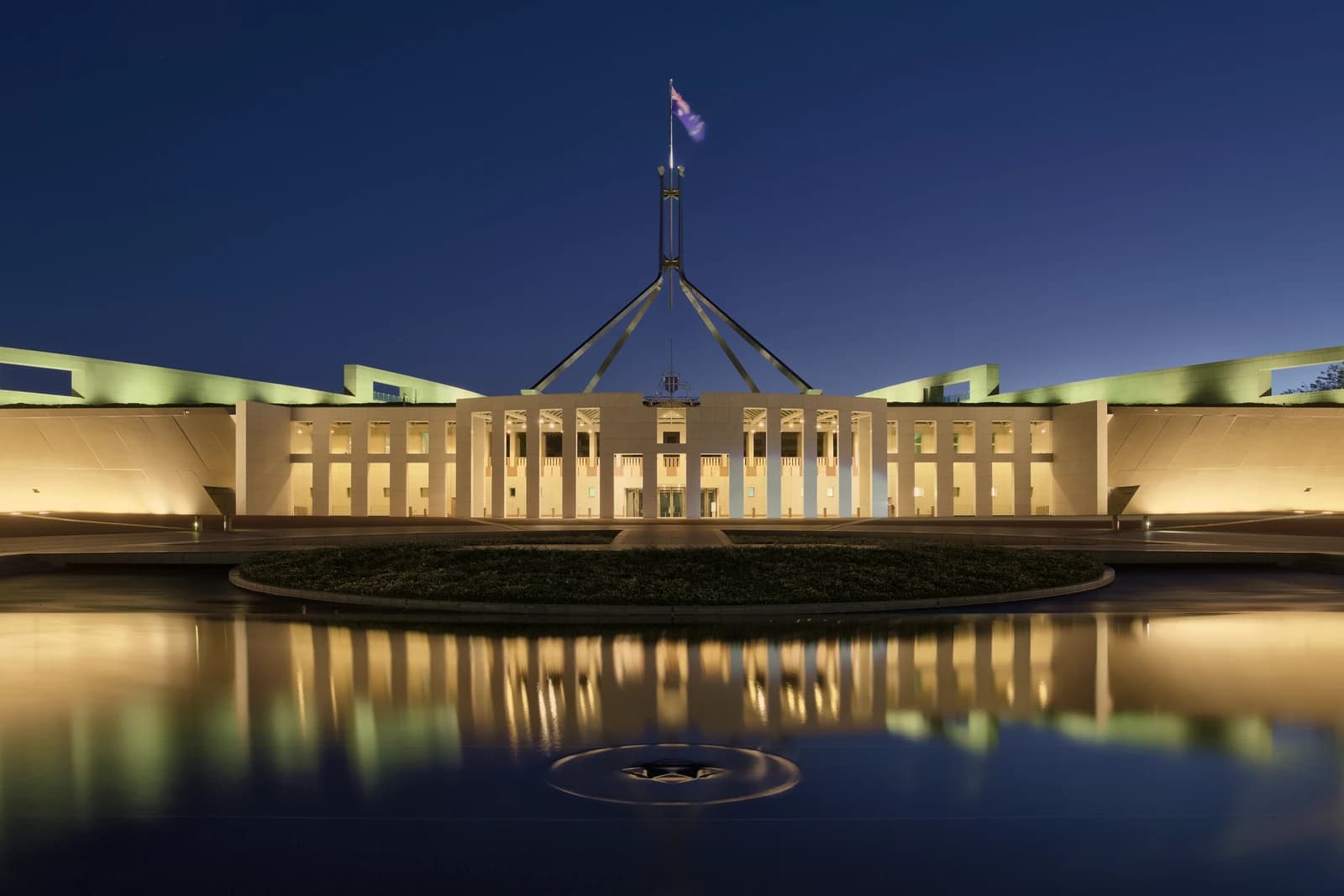
Mongolia’s parliament is debating whether to channel as much as 2 trillion tugriks of unexpected dividend income into projects now, or park it in the sovereign wealth fund and use it later — a fight that goes to the heart of fiscal discipline, inflation control and how the country uses a rare windfall.
Mongolia Debates Spending Dividend Windfall
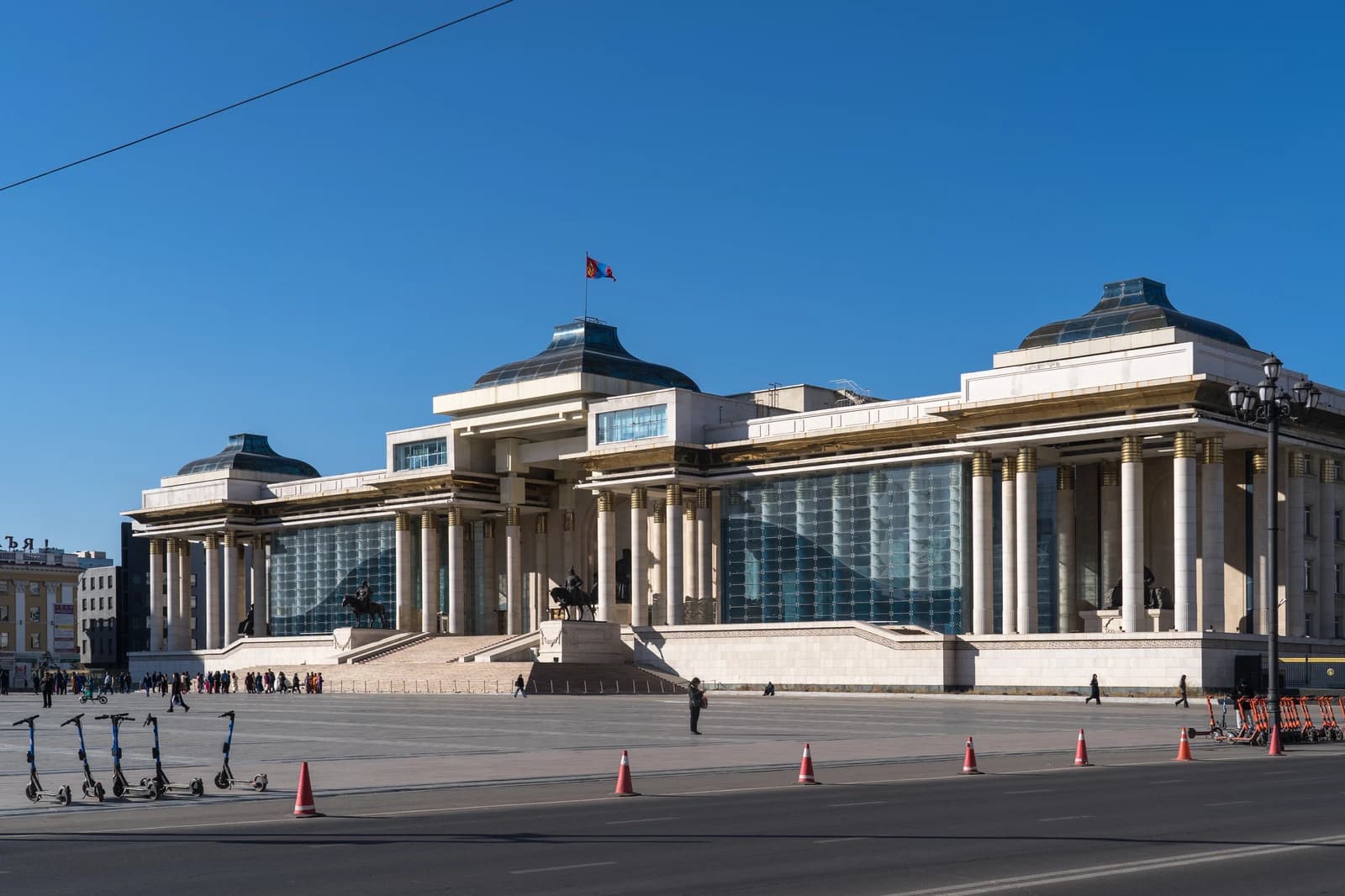
That matters because the decision will shape not just next year’s budget, but the durability of Mongolia’s fiscal framework. Lawmakers are weighing amendments to the Fiscal Stability Law alongside changes to the 2027 budget framework and 2028-2029 projections, after the government proposed deploying dividend revenue tied to major mining assets and state-linked holdings. Critics say spending the money on projects risks running afoul of the Constitution and repeating the country’s old habit of treating resource windfalls as political cash.
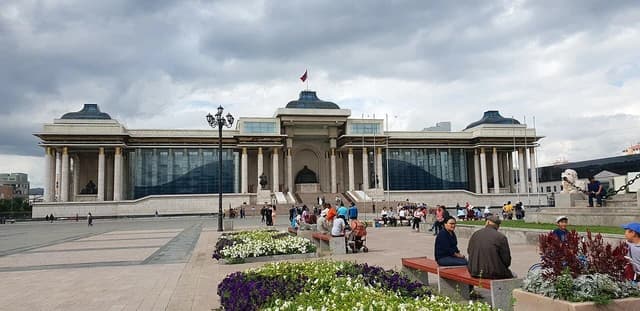
The government argues the spending is needed to relieve bottlenecks in energy and infrastructure. Officials told lawmakers that if the budget is approved under the spring framework, about 90% of spending would go to current expenditures and only 10% to development projects. The extra 6.5 trillion tugriks in the revised plan would, they say, shift that mix closer to 70:30 and help fund power plants and other strategic projects. In plain terms, the state is trying to use today’s cash to solve tomorrow’s growth constraints.
Investors should care because the stakes extend far beyond one budget bill. Mongolia has already lived through the inflationary consequences of heavy public spending and weak investment selection. If the government pours windfall income into construction and state projects without a credible financing and oversight framework, it could stoke prices, deepen concerns about governance and crowd out private capital. If, instead, it locks the money into the Development Fund or the National Wealth Fund, it would strengthen long-term balance sheet discipline and signal that resource income will be saved, not quickly consumed.
The political split was sharp. Lawmaker O.Batnairamdal said the state should not spend “2 trillion” on projects in a way that violates constitutional principles that resource wealth should be distributed fairly to the public. Others warned that the budget framework is being changed too often and that spending and investment outlays are rising too fast, with inflation already a concern. Lawmaker G.Luvsanjamts, by contrast, argued that the government should use dividend income to pay down debt or prepare projects with clear economic returns, rather than leave it idle.
The tension is familiar to emerging-market investors: when a commodity-dependent economy gets a revenue surprise, does it save the money and reduce risk, or spend it and chase growth? Mongolia is testing that question again at a time when external conditions are not especially forgiving. Officials also flagged uncertainty around China’s growth outlook and the possibility that a broader slowdown could weigh on Mongolia’s key exports, including coking coal. That makes the quality of domestic fiscal policy even more important, because the country cannot count on strong external tailwinds forever.
For long-term investors, the key takeaway is that this is less about one budget cycle than about Mongolia’s investment credibility. A disciplined savings approach would support macro stability and improve confidence in the sovereign story. A looser approach could keep pressure on inflation, weaken fiscal rules and make Mongolia look more vulnerable just as global investors are already wary of emerging-market policy drift. This is a development worth watching closely, especially for anyone thinking in years rather than months.
| Entity | Gains | Losses |
|---|---|---|
| Mongolian government projects | ▲More near-term funding | ▼Fiscal discipline |
| Sovereign wealth fund / Development Fund | ▲Higher potential inflows | ▼Immediate spending access |
| Consumers and savers | ▲Better inflation control if saved | ▼Higher inflation if spent |
| Long-term investors | ▲Clearer policy if rules hold | ▼Confidence if rules are weakened |