Hunosa’s new business plan does more than extend the life of Spain’s state coal company — it gives the troubled miner a rare path to growth in a sector that has spent three decades shrinking.
Hunosa plan targets biomass, jobs and new growth
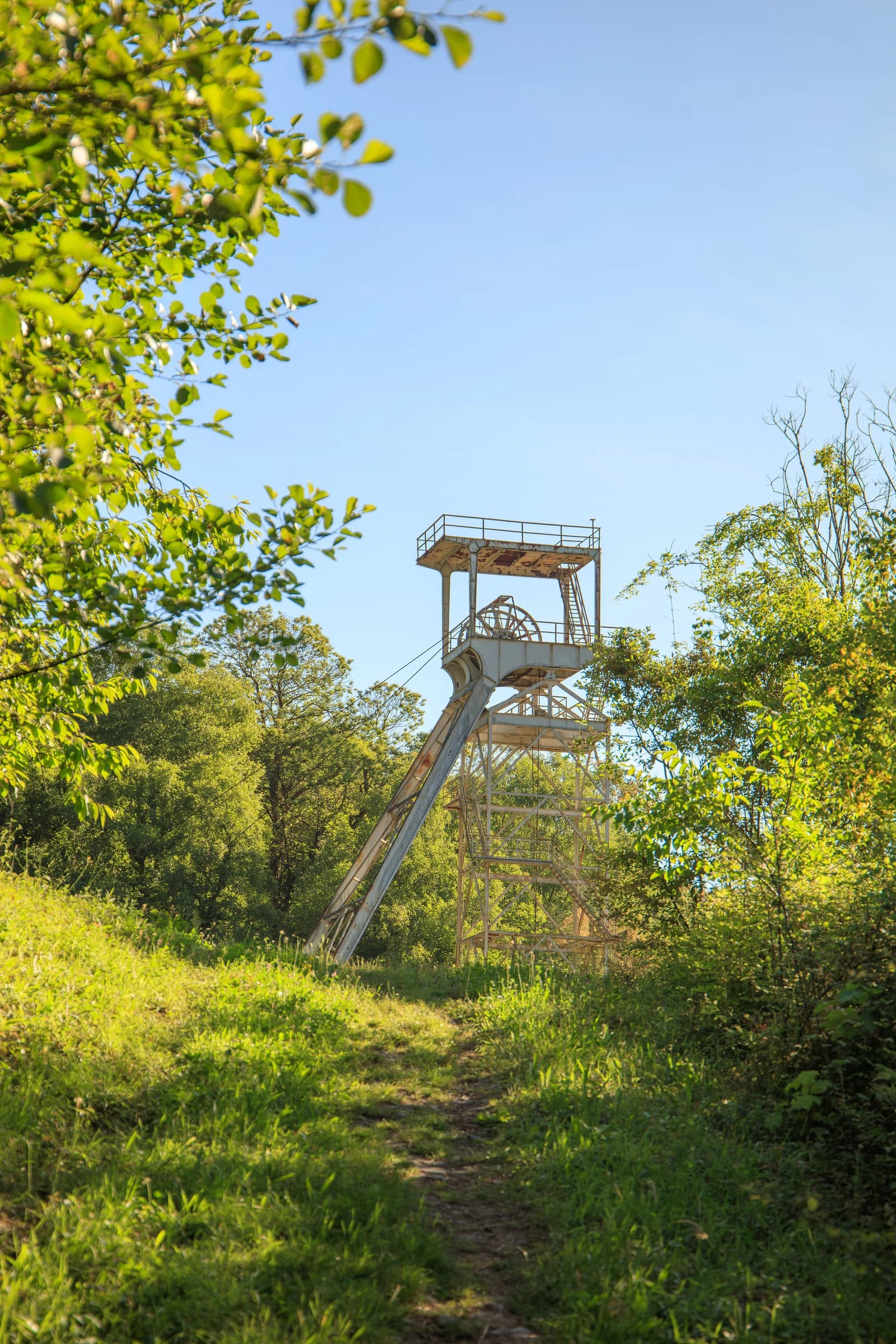
That matters economically because the plan marks a clean break from the old model of managed decline. Instead of relying on closures, subsidies and retrenchment, Hunosa says it will deploy more than 110 million euros over the next few years, create 80 jobs at the parent company and another 80 at its Sadim unit, and turn assets tied to coal into businesses around decarbonization, environmental remediation and industrial reuse.
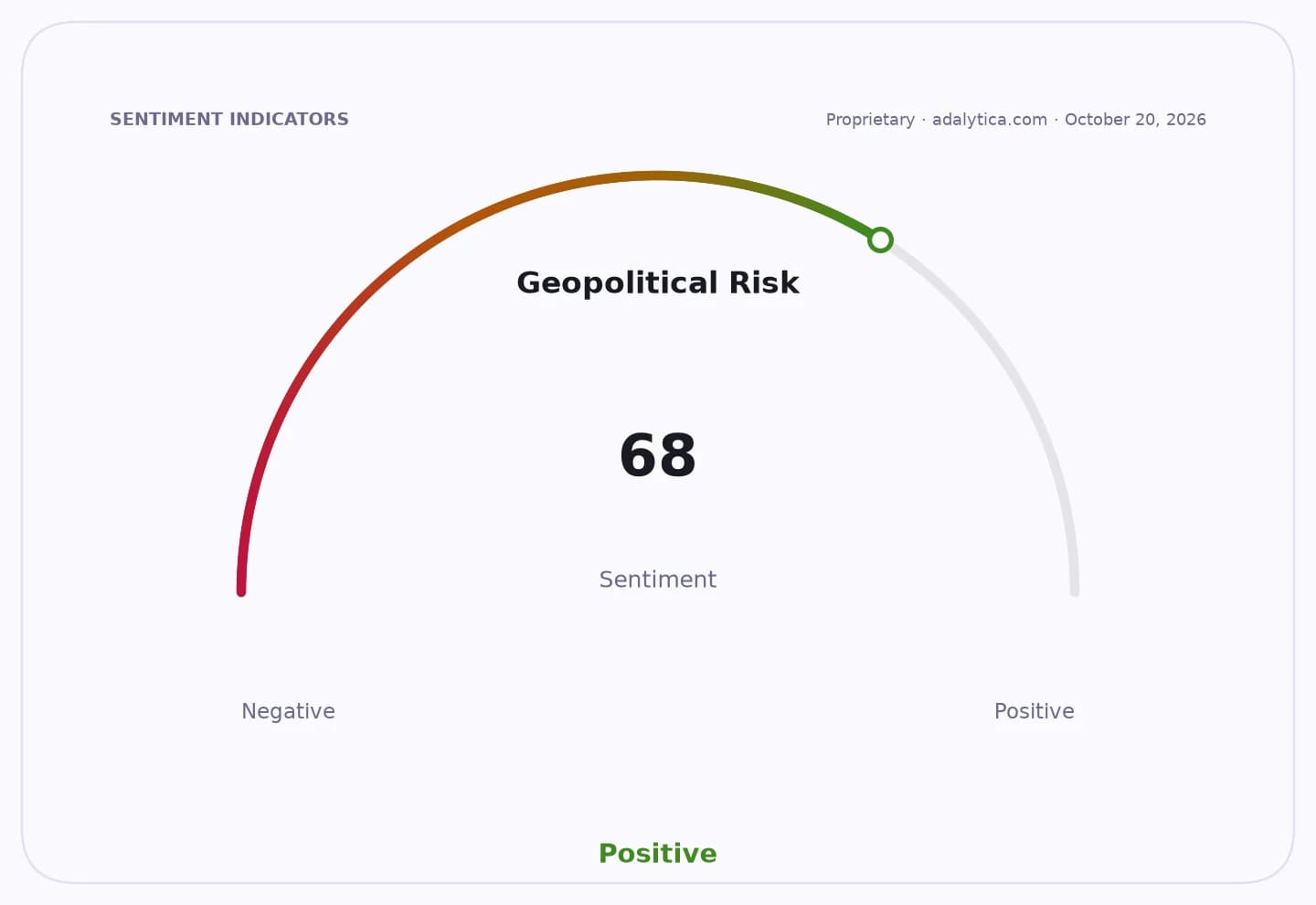
Sentiment IndicatorsⓘProprietary · adalytica.com · October 10, 2026
This is a snapshot — live sentiment, awareness and momentum for 130+ markets update continuously in the dashboard.Open AlphaPulse
For investors, the significance is less about Hunosa as a standalone equity — the company is state-owned — and more about what it says about the transition economy in Europe. Governments and public companies are increasingly trying to convert legacy energy infrastructure into long-duration assets with cash-generating uses, whether that means biomass, district heating, storage or critical-minerals processing. If that works, it can preserve employment, support regional economies and limit the social cost of shutting down coal. If it fails, it becomes another expensive bridge to nowhere.
The strategy is broad, and that is the point. Hunosa plans to convert the La Pereda thermal plant into a biomass facility with more than 56 million euros of investment, build a renewable energy park at the San Nicolás mine with pumped storage, hydraulic use of buried streams and solar generation, expand heat networks based on mine water and biomass, and push into carbon capture, green hydrogen and sustainable fuels. It also wants Sadim to deepen environmental restoration work and explore critical raw materials, while a new national rescue center at the Santiago mine would house the Miners’ Rescue Brigade.
The biggest economic shift is employment. After years of headcount cuts, Hunosa says the plan will create net jobs for the first time in decades. In a region where mining closures were supposed to be offset by “just transition” projects, that is politically important as much as financially meaningful. The unions, while backing the deal, are already warning that the money and permits must actually flow, and they are pressing Madrid and the regional government for support after what they describe as the failure of earlier transition promises.
That warning matters. Hunosa’s plan depends on execution by SEPI, the company, and public authorities that must license projects, move tenders and keep funding aligned. The risk for investors in any transition-heavy story is not the idea; it is delay. Biomass, renewables and industrial reuse can all generate value, but only if projects are permitted, built and integrated into a coherent business model.
Still, the direction is clear. Hunosa is trying to turn the end of coal mining into a new industrial identity built around assets it already owns: land, energy infrastructure, forestry resources, technical know-how and environmental capabilities. If management and policymakers stay aligned, the company could become a template for how Europe’s coal relics survive the energy transition. For long-term investors, that makes Hunosa worth watching as a policy and industrial case study — and a reminder that in old industries, the best returns often come from reinvention, not nostalgia.
| Entity | Gains | Losses |
|---|---|---|
| Hunosa / SEPI | ▲longer operating runway | ▼legacy coal model |
| Workers and local mining regions | ▲net job growth | ▼years of decline |
| Clean energy and remediation projects | ▲new public investment | ▼coal-only business case |
| Coal transition skeptics | ▲vindication risk if plan stalls | ▼confidence in “just transition” promises |