Hyundai Motor Group is putting about 1.42 trillion rupees, or roughly $11.2 billion, into India over the next seven years, a major commitment that underscores how central the country has become to global auto makers looking for growth beyond China and the West.
Hyundai Motor Group Plans $11.2B India Investment
The investment matters because it is not just another factory expansion. Hyundai said it will build a dedicated investment unit in India and channel money into production, research and development, future technologies and supply-chain localization. For investors, that is a clear sign that India is moving from a promising sales market to a strategic manufacturing and innovation base that could support earnings for years.
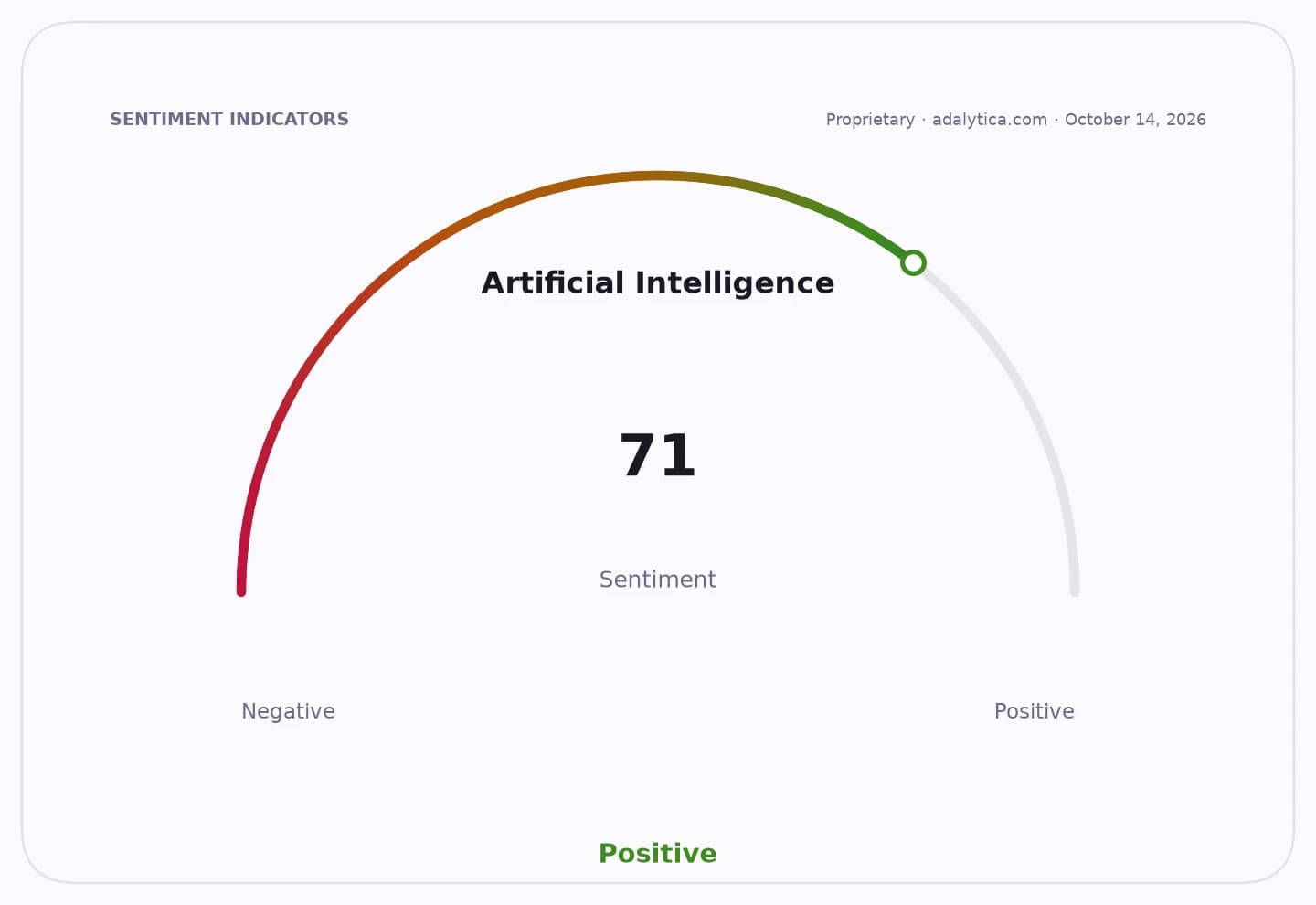
Sentiment IndicatorsⓘProprietary · adalytica.com · October 13, 2026
This is a snapshot — live sentiment, awareness and momentum for 130+ markets update continuously in the dashboard.Open AlphaPulse
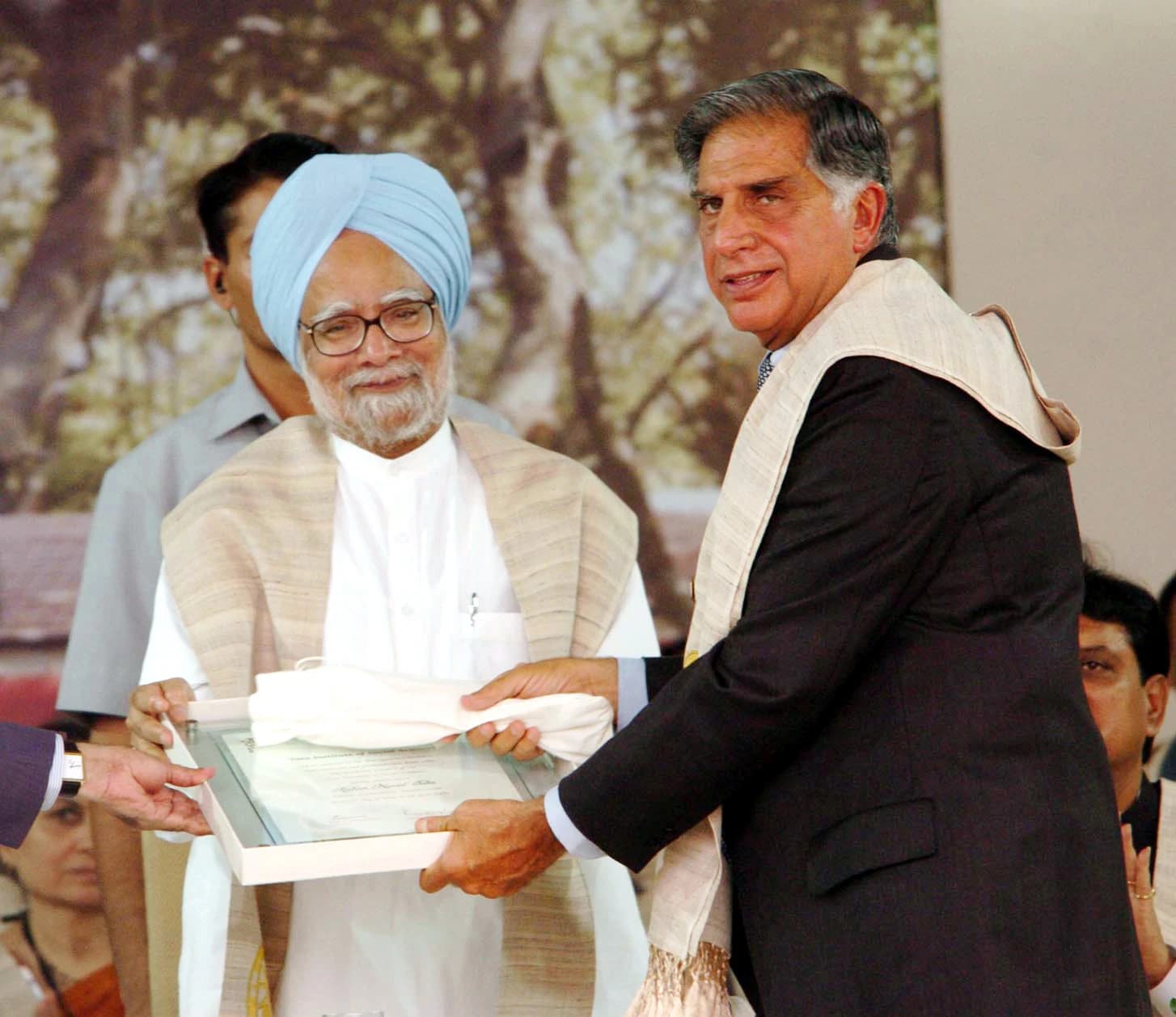
The announcement came after executive chairman Euisun Chung met Prime Minister Narendra Modi in New Delhi, and it reflects a broader shift in corporate capital toward India even as foreign portfolio investors have been pulling money out of Indian equities this year. That contrast is important. Hot money has been leaving the market, but long-duration industrial capital is still coming in, which says a lot about where multinationals see durable demand, policy support and export potential.
Hyundai’s plan includes expanding capacity at its Hyundai and Kia plants to meet rising domestic demand and strengthen India as an export hub. The group already has annual manufacturing capacity of more than 1.4 million vehicles in India across its Chennai and Pune operations and Kia’s Anantapur plant. It is also planning to invest about $700 million in its Indian R&D center, including a vehicle test track, to speed development of next-generation automotive technology and deepen local engineering talent.
That is where the story gets more interesting for long-term investors. Auto makers do not keep pouring money into a market unless they believe it can deliver scale, margin and strategic flexibility. India offers all three: fast-growing vehicle demand, a large labor pool, a growing supplier ecosystem and a chance to diversify production away from concentrated global supply chains. Hyundai also said it wants to boost domestic sourcing, invest in regional partners, and explore opportunities in EV charging, auto finance, recycling and mobility startups.
For the Indian economy, the payoff could be broader than one company’s capital spending. Hyundai said it expects the investment to create more jobs in manufacturing, engineering, R&D and supply chains, adding to an industrial base that already employs more than 24,000 people in India. The move also supports the government’s push to turn India into a high-value manufacturing platform rather than just a consumer market.
For investors, the message is straightforward: companies with long-term pricing power and global scale are still willing to commit real capital to India, even when markets are choppy and foreign flows are weak. That is the kind of backdrop that can reward patient shareholders over a 3- to 10-year horizon. Hyundai and Kia gain from deeper localization and export capacity; India gains jobs, technology transfer and industrial depth; competitors that fail to match the scale may lose ground.
The near-term risk is execution. Building out capacity, R&D and supply chains across a market as complex as India takes time, and the company did not disclose how the spending will be split between Hyundai and Kia. But the larger takeaway is hard to miss: India remains one of the most attractive growth stories in global autos, and Hyundai is acting like a company that wants to own that future, not just participate in it.
| Entity | Gains | Losses |
|---|---|---|
| Hyundai Motor Group | ▲Scale, exports, long-term growth | ▼Capital outlay, execution risk |
| India | ▲Jobs, R&D, manufacturing depth | ▼Pressure to deliver infrastructure and policy stability |
| Kia/Hyundai rivals | ▲Potentially less access to India growth | ▼Share if they underinvest |
| Local suppliers and startups | ▲More orders and partnerships | ▼Smaller players may be squeezed by scale leaders |