PMI Electro Mobility Solutions, the KKR-backed electric bus maker, has confidentially filed for an initial public offering in India, a step that could give one of the country’s fastest-growing clean-transport businesses a public-market currency just as demand for electric fleets keeps building.
PMI Electro Files Confidentially for India IPO
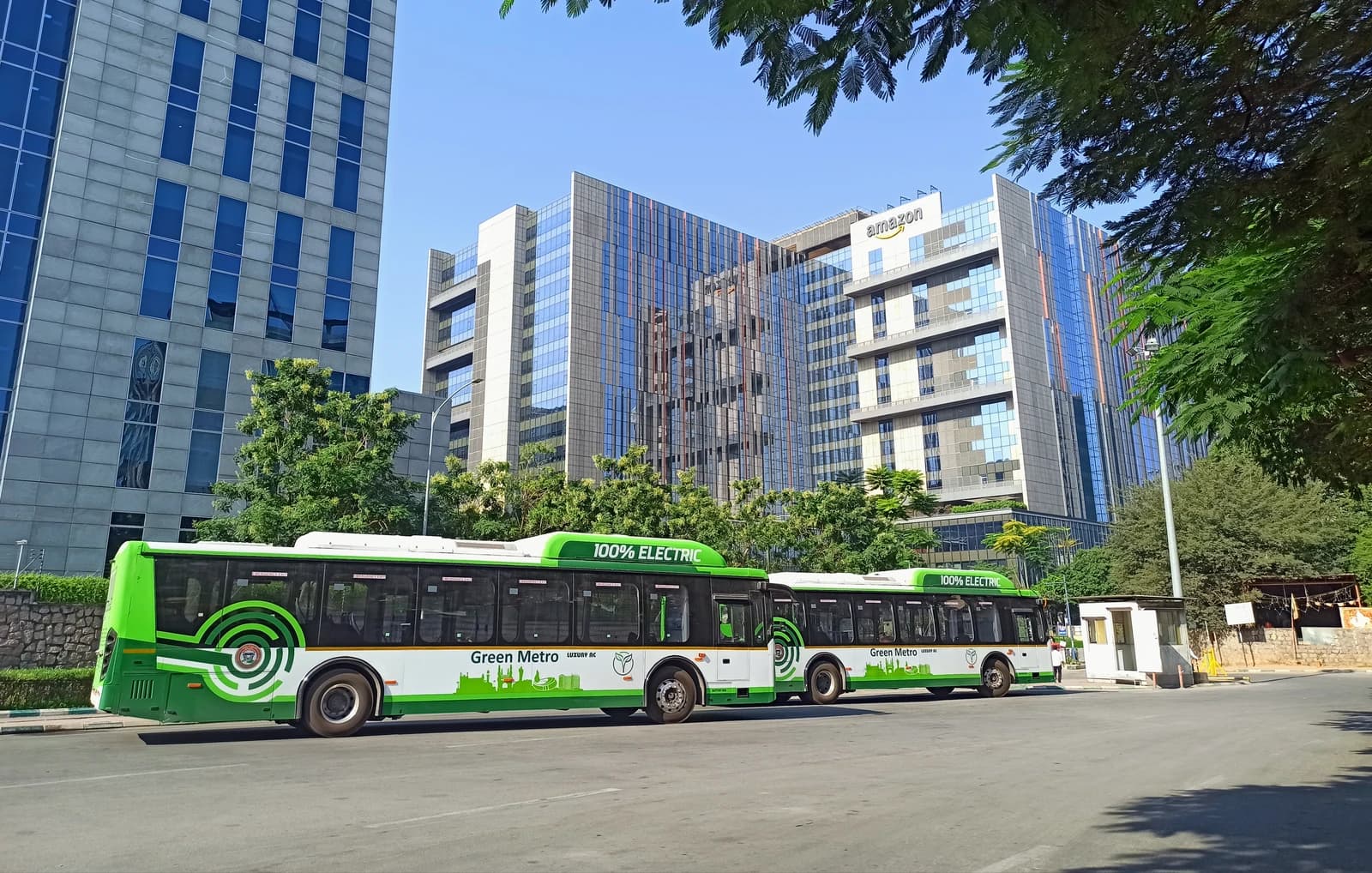
The filing matters because electric buses sit at the intersection of two long-term investment themes: India’s push to cut urban pollution and diesel dependence, and the broader shift toward electrified commercial transport. PMI Electro is not a niche startup anymore. Founded in 2017, it says it operates 3,300 electric buses across 34 Indian cities, which gives it a real operating base and a footprint that public investors can evaluate as a scale business rather than a concept.
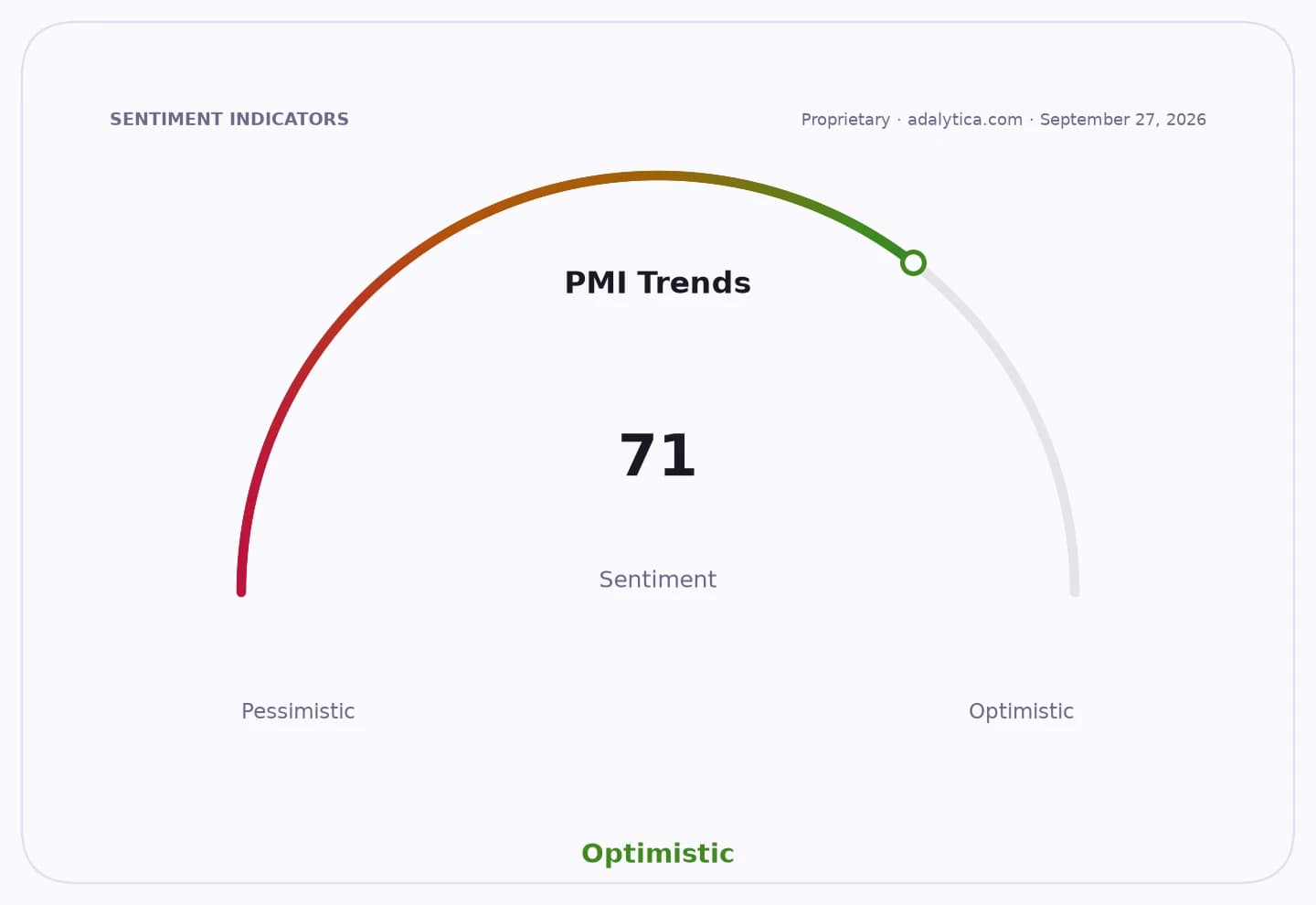
Sentiment IndicatorsⓘProprietary · adalytica.com · September 30, 2026
This is a snapshot — live sentiment, awareness and momentum for 130+ markets update continuously in the dashboard.Open AlphaPulse
For KKR, the IPO path offers a potential exit or partial monetization after the private equity firm invested about $310 million earlier this year in PMI Electro and its bus platform, Allfleet India. That is the kind of capital commitment that usually comes with a growth thesis measured in years, not quarters. If PMI can use the IPO to fund more manufacturing, fleet expansion and working capital, it could strengthen its position in a market that is still early but increasingly competitive.
And competition will matter. PMI Electro is up against listed Indian rivals Olectra Greentech, JBM Auto and Tata Motors, all of which are chasing the same opportunity: supplying cleaner buses to cities and state transport operators. In a market like this, scale, execution and financing access often matter more than branding. The company that can keep winning contracts, maintain margins and fund fleets efficiently is the one most likely to compound value over time.
India’s confidential filing process also gives PMI some breathing room. By keeping details private for now, it can negotiate with regulators without exposing too much financial or commercial information to competitors. That may be especially helpful in a sector where order books, subsidy assumptions and pricing can change quickly.
For investors, the bigger story is that India’s IPO market remains open for businesses tied to infrastructure, electrification and domestic growth. If PMI’s float is well received, it could reinforce the idea that public markets are willing to back profitable or scaling clean-transport assets, not just software or financial names. That would matter for a wider universe of investors looking for durable growth in India’s capital markets.
The key question now is whether PMI can turn fleet scale into sustainable economics. Electric bus makers need more than demand; they need efficient manufacturing, dependable service networks and balance-sheet discipline. If PMI can show those traits in its IPO papers, it could become one of the more interesting long-term clean-mobility plays in India. For patient investors, that makes the stock worth watching closely.
| Entity | Gains | Losses |
|---|---|---|
| PMI Electro | ▲Public capital for expansion | ▼More disclosure and scrutiny |
| KKR | ▲Potential liquidity event | ▼Slower private upside capture |
| Rivals like Olectra, JBM, Tata Motors | ▲Bigger sector visibility | ▼More competition for contracts |
| India’s cities and transit operators | ▲More EV bus supply | ▼Less room for diesel fleets |