ICE is wasting taxpayer money on unused detention capacity just as it races to expand one of the most politically charged parts of the Trump administration’s immigration agenda.
ICE detention spending raises waste concerns

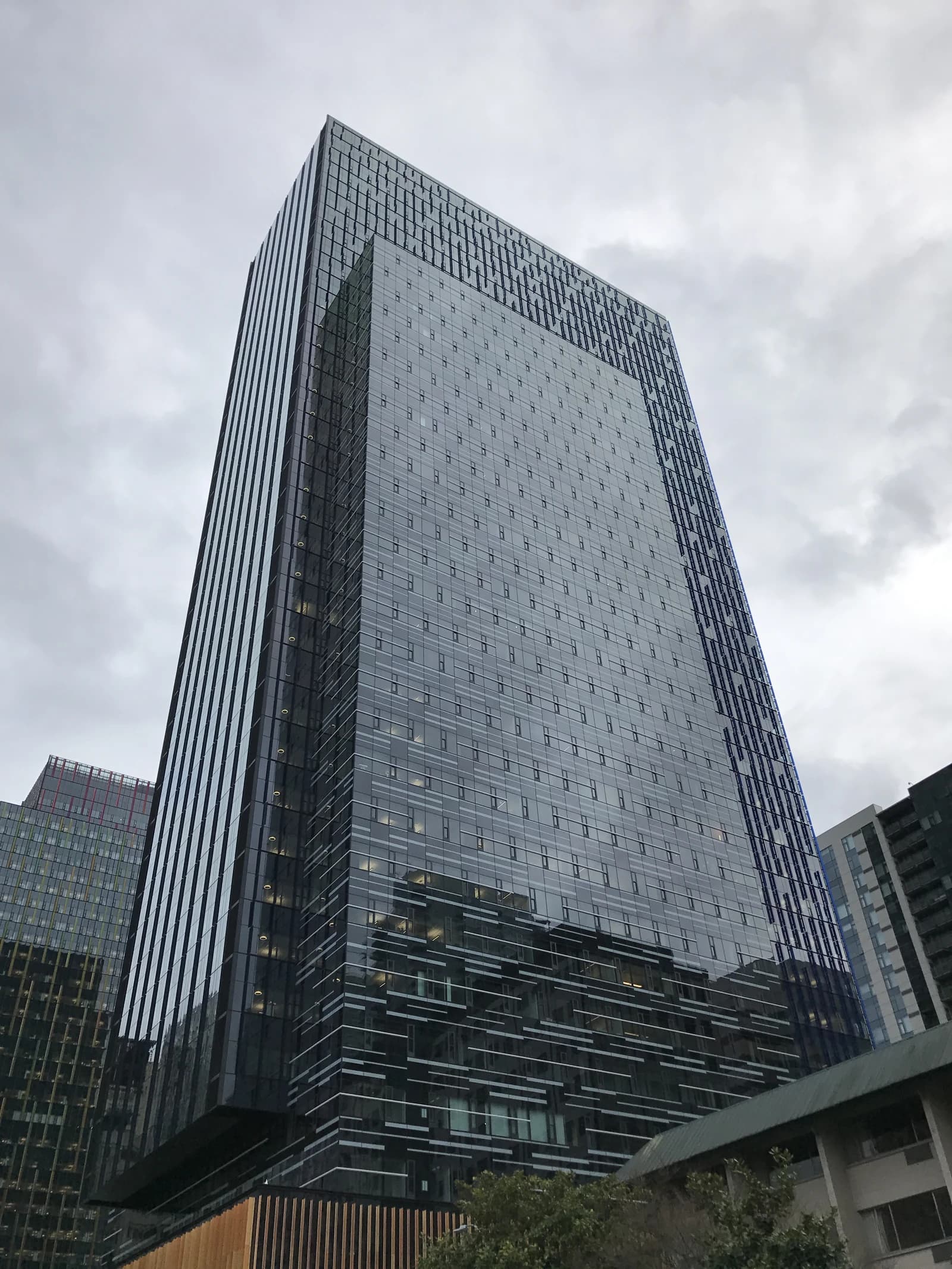
A new Government Accountability Office report says Immigration and Customs Enforcement spent about $13 million a month on empty beds across five recently acquired detention sites, while also paying more than 50% above assessed value for nine large warehouses it sought to convert into holding centers. In three of those warehouse deals, the agency paid more than double appraised value. The findings underscore not just costly execution, but a procurement strategy that appears to have prioritized speed and headline capacity over fiscal discipline.
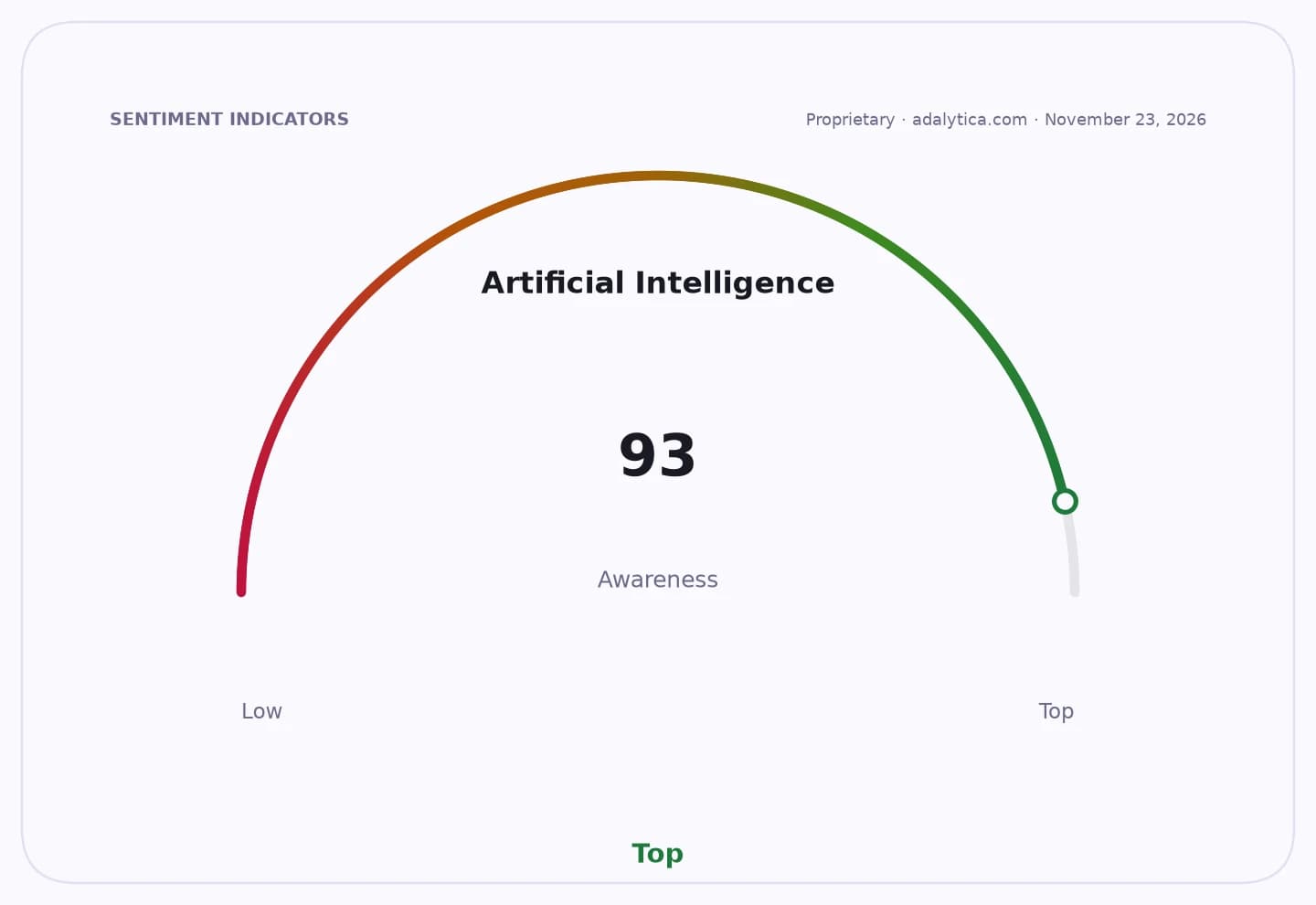
Sentiment Indicators
That matters economically because ICE’s detention buildout is now being funded at scale. The agency began buying capacity after Congress approved Trump’s July 2025 spending package, which gave ICE $45 billion through 2029. When that kind of budget meets weak oversight, the result can be durable inefficiency: long-term lease and ownership costs, idle beds, and assets that may be difficult to resell or repurpose. The GAO said the warehouse initiative was a “large-scale investment rushed into implementation” that will probably create substantial waste.
The report adds a broader budgeting problem. ICE is paying for more than 9,000 empty beds a day on average under guaranteed-payment agreements, even as it struggles to staff the facilities it already controls. The agency has roughly doubled the number of detention centers it operates, but 55 of 87 oversight and administration positions are vacant, according to the report. That combination raises the risk that capacity is being added faster than it can be managed, increasing operating costs without improving service delivery.
For investors, the scrutiny is relevant well beyond immigration politics. CoreCivic and GEO Group, the two listed operators most exposed to federal detention demand, have benefited from the expansion in ICE spending and rising occupancy. GEO shares have risen sharply this year and trade well above their 200-day moving average, while CoreCivic has also held near multimonth highs, reflecting expectations of stronger government demand. But the GAO findings could cut both ways: more bed demand supports revenue, yet a backlash against waste, overpayment or weak controls could slow contract awards, invite congressional oversight, or push ICE toward renegotiation and more stringent procurement terms.
The legal and political overhang is already visible. Local officials in Georgia fought one warehouse plan over sewer capacity and public health concerns, contractors warned about concentrating too many detainees in one place, and the project was paused after Kristi Noem left the Department of Homeland Security in March. At least seven warehouses remain for sale. Separately, Democrats on the House Homeland Security Committee have asked for records on ICE’s $495 million purchase of a former Minnesota prison, another deal now drawing questions because the owner had earlier offered the site to the state for $75 million.
The central narrative is that ICE’s detention expansion has become a test case in how emergency-style government spending can distort asset prices, reward speed over due diligence and create stranded capacity. That leaves taxpayers exposed, contractors dependent on continued federal appetite, and investors in private detention operators reliant on whether Washington keeps paying for beds that are not full.
| Entity | Gains | Losses |
|---|---|---|
| ICE / DHS | ▲More detention capacity | ▼Higher waste and scrutiny |
| GEO Group | ▲Stronger federal demand | ▼Oversight and pricing risk |
| CoreCivic | ▲Occupancy support | ▼Contract and reputational risk |
| Taxpayers | ▲None | ▼Idle-capacity spending |