Recursive is betting that the next great AI company will be built less by hiring armies of researchers and more by buying the compute to let software run the research loop itself. That is why its new multi-year, $410 million agreement with Amazon Web Services matters: it absorbs roughly two-thirds of the $650 million the company raised at a $4.65 billion valuation, turning capital into cloud capacity rather than payroll and making Recursive one of the clearest early tests of whether automated research can scale as an industrial process.
Recursive signs $410 million AWS compute deal
Artificial Intelligence
For investors, the significance goes well beyond one startup’s balance sheet. Recursive’s model is a live signal that the AI infrastructure trade is broadening from model training to perpetual experimentation, validation and tool-building. The company’s system proposes changes, implements them, runs experiments and chooses the next run, which means the compute bill compounds with every improvement. That is exactly the kind of workload cloud providers want: bursty, recurring and difficult to cap with one-off reservations. In other words, the market may still be underestimating how much AI spending migrates from human labor to elastic infrastructure.
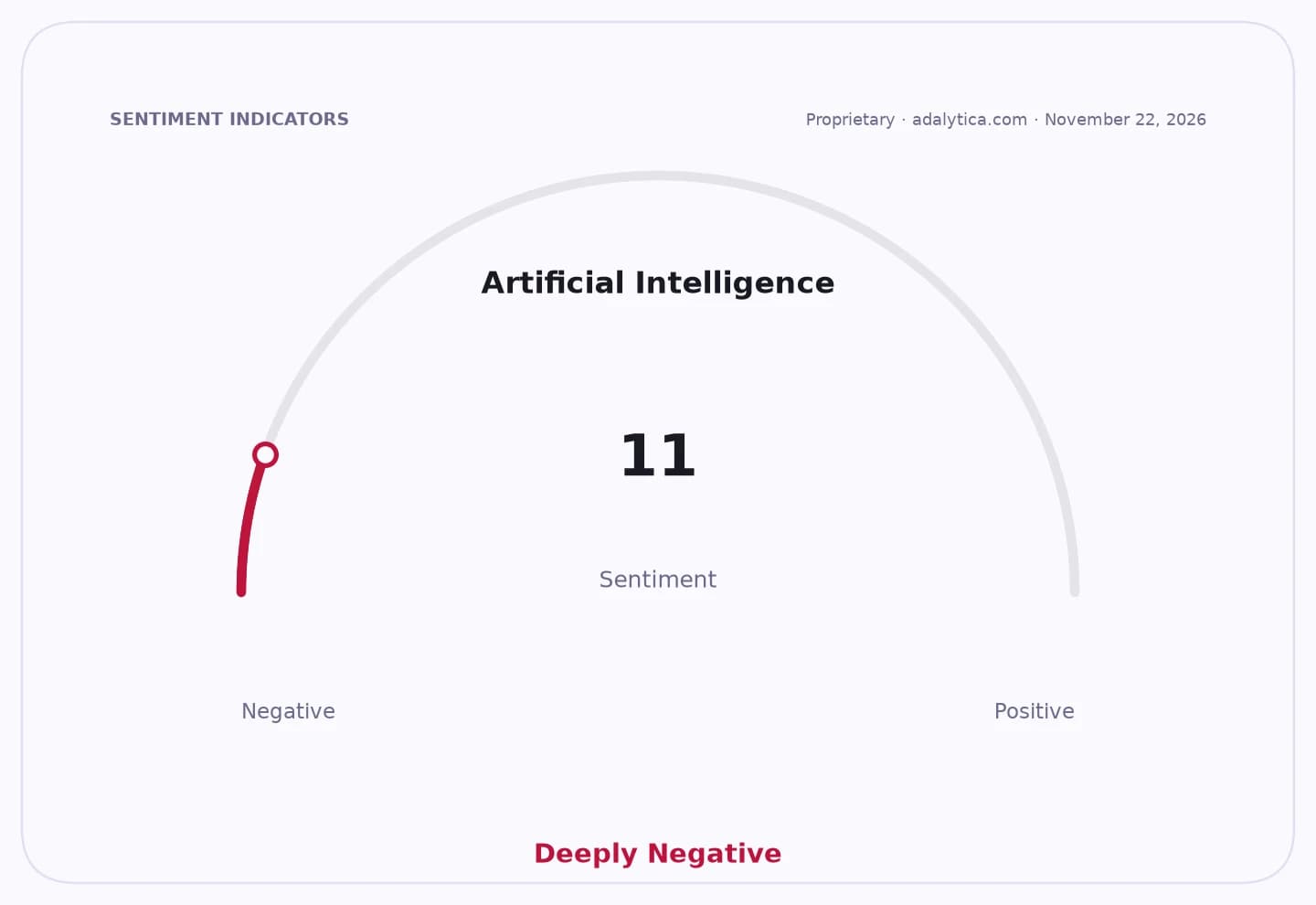
Sentiment Indicators
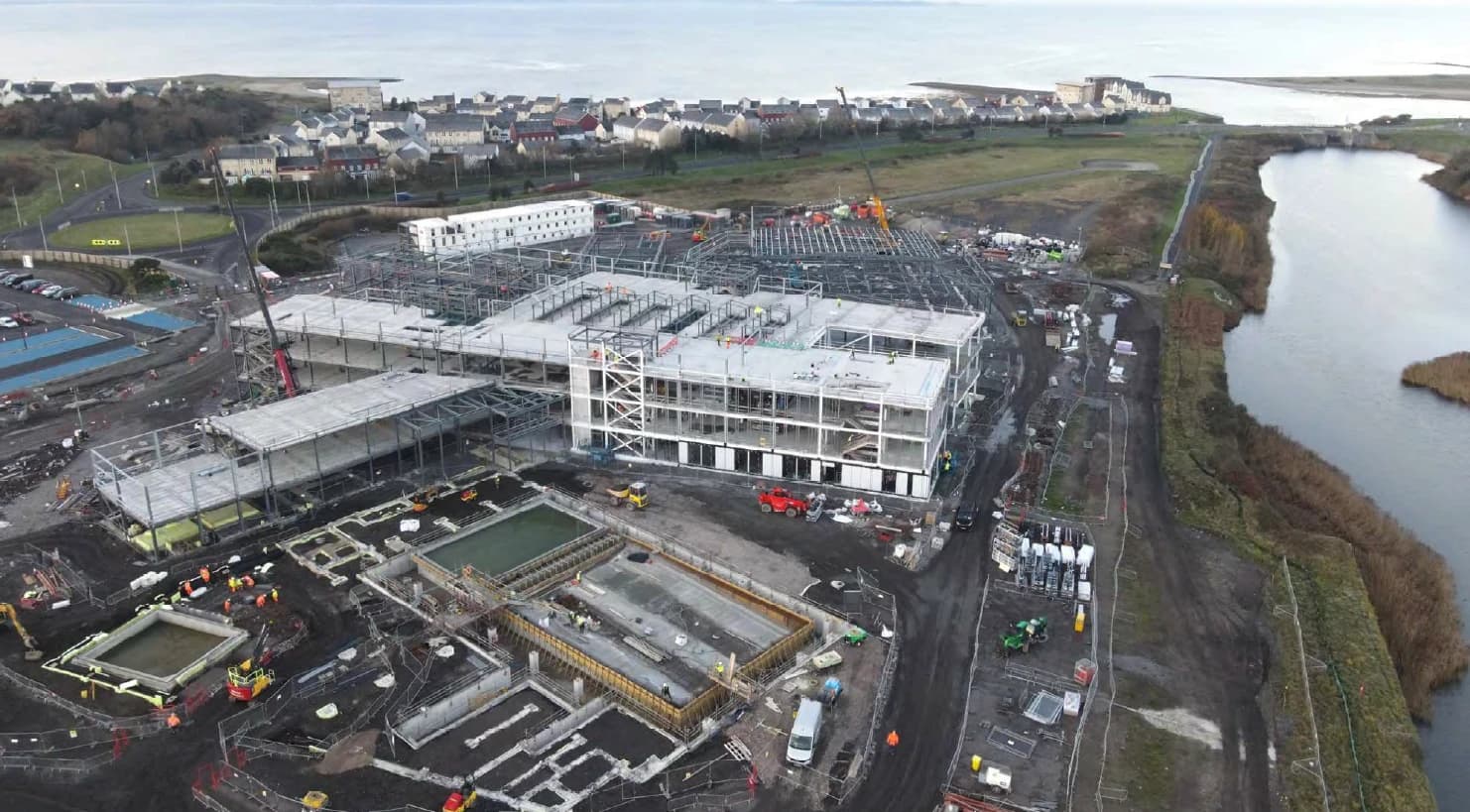
AWS is the obvious winner in the near term. The contract adds another long-duration customer to a business already riding massive AI capex, with Amazon saying in its latest quarter that AWS revenue rose 28% year over year to $37.6 billion and that its custom silicon business had passed a $20 billion annual run rate. The difference here is structure: Amazon is taking no investment stake, so this is a pure customer relationship rather than the equity-plus-capacity packages that have become common across frontier AI. That makes the revenue cleaner and, arguably, stickier.
The economics are compelling because Recursive is not paying for a single giant training run. It is paying for thousands of smaller jobs that spawn more jobs, a pattern that rewards fast scheduling, elastic capacity and access to the latest accelerators. The company’s early benchmarks already hint at the cost profile: tiny training budgets, eight-GPU speed runs and kernel-writing tasks on Nvidia B200s. Even if those results look modest in isolation, the broader implication is large. The more efficient Recursive becomes, the more experiments it can afford to run, and the more compute it consumes in the process.
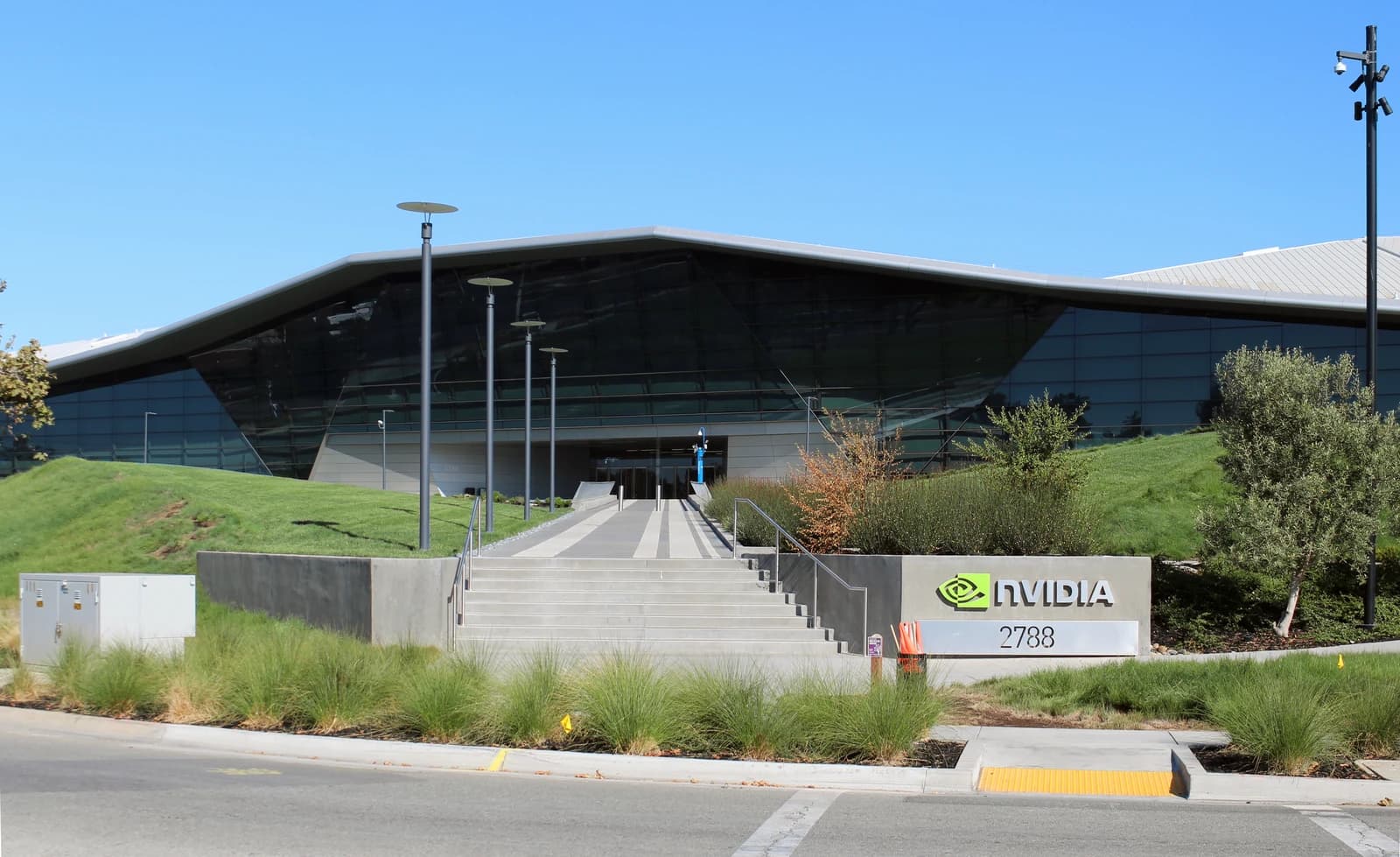
That is why this deal matters for the broader AI supply chain. It supports the investment case for AWS and, by extension, for the infrastructure layer around AI — from cloud capacity and custom chips to networking, storage and power. Nvidia remains central to the ecosystem, but contracts like this show that the next phase of AI monetization is not just about selling GPUs. It is about selling the environment in which AI systems continuously improve themselves.
For Recursive, the payoff is optionality. The company says the AWS capacity is only a starting point and that future contracts may be larger. Its first commercial products are expected around October 2026, which gives the market a near-term catalyst to watch. If automated research really does reduce the cost of discovery, then the real beneficiaries will not just be the labs building the models, but the platforms that sell the compute behind them. That is the opportunity investors should be positioning for now.
| Entity | Gains | Losses |
|---|---|---|
| AWS | ▲Long-duration compute revenue | ▼Idle capacity risk |
| Recursive | ▲Scalable research engine | ▼Heavy cash burn |
| Nvidia | ▲More accelerator demand | ▼Pricing leverage if efficiency rises |
| Human-heavy AI labs | ▲Higher urgency to automate | ▼Payroll-driven research model |