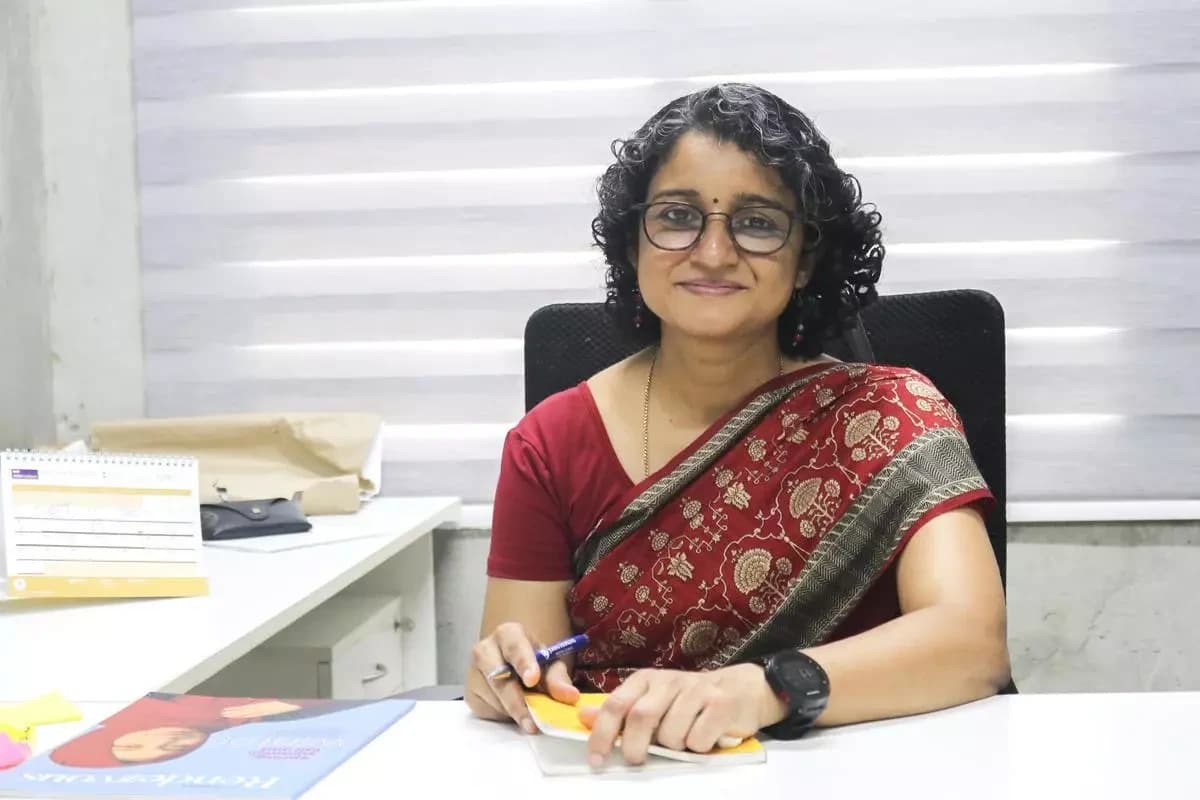
An Indian Institute of Science professor’s call for engineering students to study shastras has tapped a wider question for India’s universities and tech workforce: whether artificial intelligence should be taught with ethics and philosophy, not just code and mathematics.
IISc professor urges shastras in AI education debate
Artificial Intelligence
Prathosh AP, a faculty member in IISc Bengaluru’s electrical communication engineering department, has drawn attention after saying some IIT students who cleared the Joint Entrance Examination have approached him to study Sanskrit and traditional texts. His remarks are landing in a moment when AI is moving from research labs into classrooms and workplaces, forcing educators to rethink what technical training should produce beyond employability.
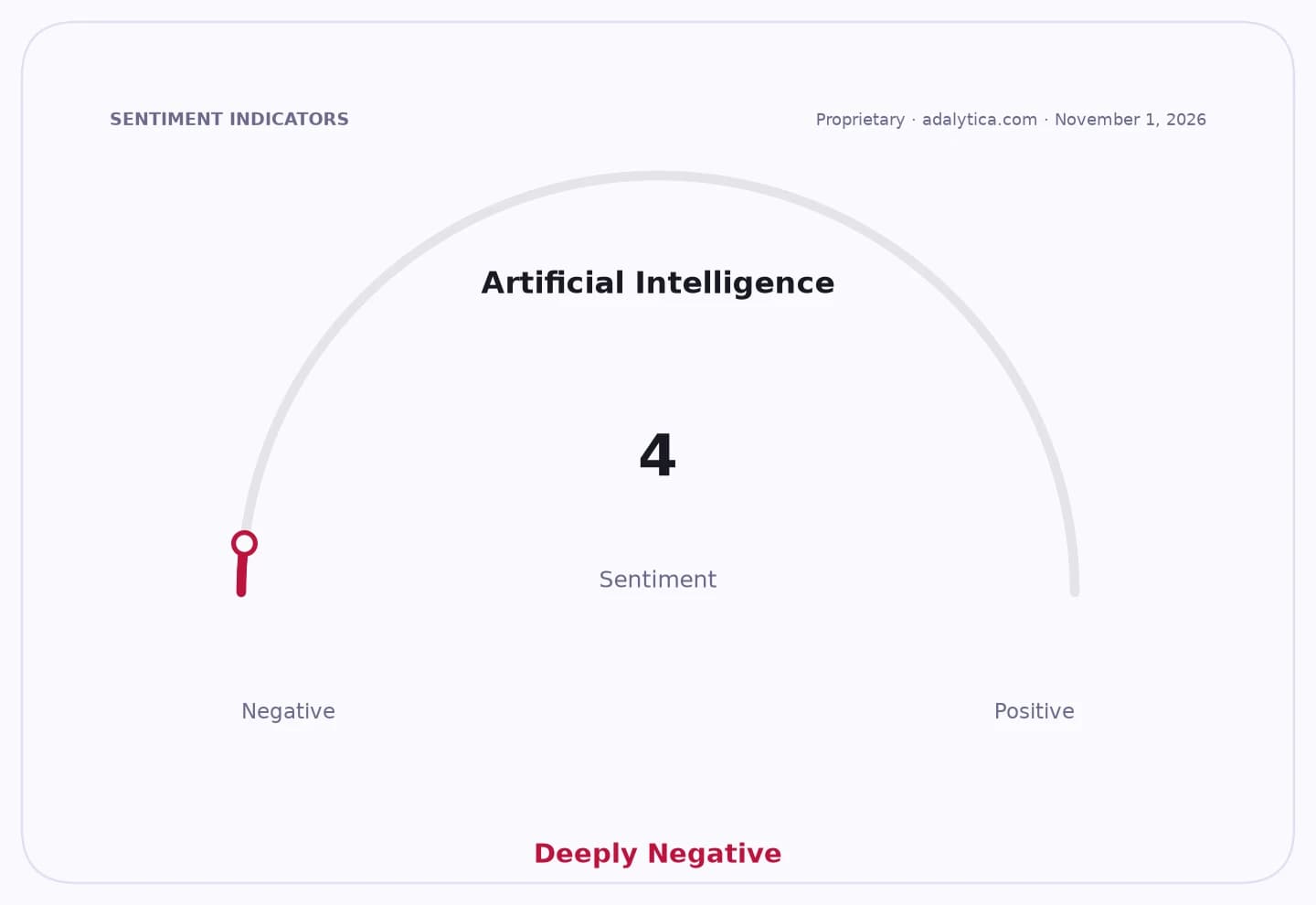
Sentiment Indicators
The debate matters economically because India is trying to scale a digital economy that depends on engineers, researchers and product managers who can build AI systems at speed. If technical education remains narrowly focused on coding and credentials, supporters of Prathosh’s view argue, graduates may be less prepared for questions around bias, accountability and human oversight — issues that are becoming central as AI is deployed in healthcare, finance and public services. His own research background in machine learning and digital healthcare gives the argument added weight because it comes from inside the AI establishment rather than from outside critics.
Prathosh’s case is not that ancient texts should replace modern science, but that they can sharpen reasoning and provide a framework for judgment. He said the study of shastras could strengthen intellectual discipline, social responsibility and metaphysical inquiry, and linked that to the need for algorithms that improve human life rather than amplify harm. He also warned against treating classical texts merely as repositories for modern scientific references, an approach that has become common in ideological debates around education.
For investors, the relevance is indirect but real. AI adoption is increasingly constrained not only by model performance and compute costs, but by governance, liability and trust. Companies building or deploying AI tools in India and globally face growing scrutiny over safety, explainability and misuse. That means the talent pipeline matters: engineers trained only for efficiency may be less equipped to manage the regulatory and reputational risks that come with automated decision-making. In sectors such as healthcare AI, where Prathosh has done work, those risks can be material.
The story also speaks to India’s broader education challenge. The country produces a large pool of technically trained graduates, but employers often complain about gaps in critical thinking, communication and problem-solving. Prathosh’s message resonates because it addresses that mismatch directly, even if his reference point is philosophical rather than managerial. The fact that he has worked at IIT Delhi, IISc and industry labs, and has patents and startup experience, makes his intervention harder to dismiss as purely cultural nostalgia.
The bull case is that bringing shastras and Sanskrit into the AI conversation could produce more rounded technologists, better ethical judgment and a deeper intellectual culture in Indian engineering schools. The bear case is that such debates risk becoming symbolic, diverting attention from urgent reforms in curriculum design, faculty capacity and AI literacy. The market-relevant question is whether universities can build a generation of engineers who are not only technically strong, but capable of governing the technologies they create.
As AI becomes more deeply embedded in education and industry, the pressure will rise on institutions to define success less by job placement alone and more by the ability to build trustworthy systems. Prathosh’s comments have landed because they challenge the prestige-to-placement model that dominates elite technical education, and because they frame AI as a moral and institutional test, not just a computational one.
| Entity | Gains | Losses |
|---|---|---|
| IISc and IITs | ▲Broader debate on ethics in tech education | ▼Pressure to justify narrow curriculum focus |
| Students studying AI | ▲Potentially stronger reasoning and judgment | ▼Less time on purely technical training |
| AI developers and employers | ▲Better risk-aware talent pipeline | ▼Slower, more complex training paths |
| Traditional-text advocates | ▲Greater visibility in elite academia | ▼Critics who see the push as symbolic |