AI is creating a fresh cybersecurity problem, and IIT Delhi is betting working professionals will pay to learn how to defend against it.
IIT Delhi launches AI security certificate program
The institute has launched a six-month certificate programme in AI security and cybersecurity aimed at people who want to upskill without leaving their jobs, a sign that demand for practical AI-related training is moving well beyond computer science classrooms and into the labor market. For investors, that matters because the AI boom is no longer just about chips and cloud spending; it is also generating a parallel market for skills, security software and workforce retraining.
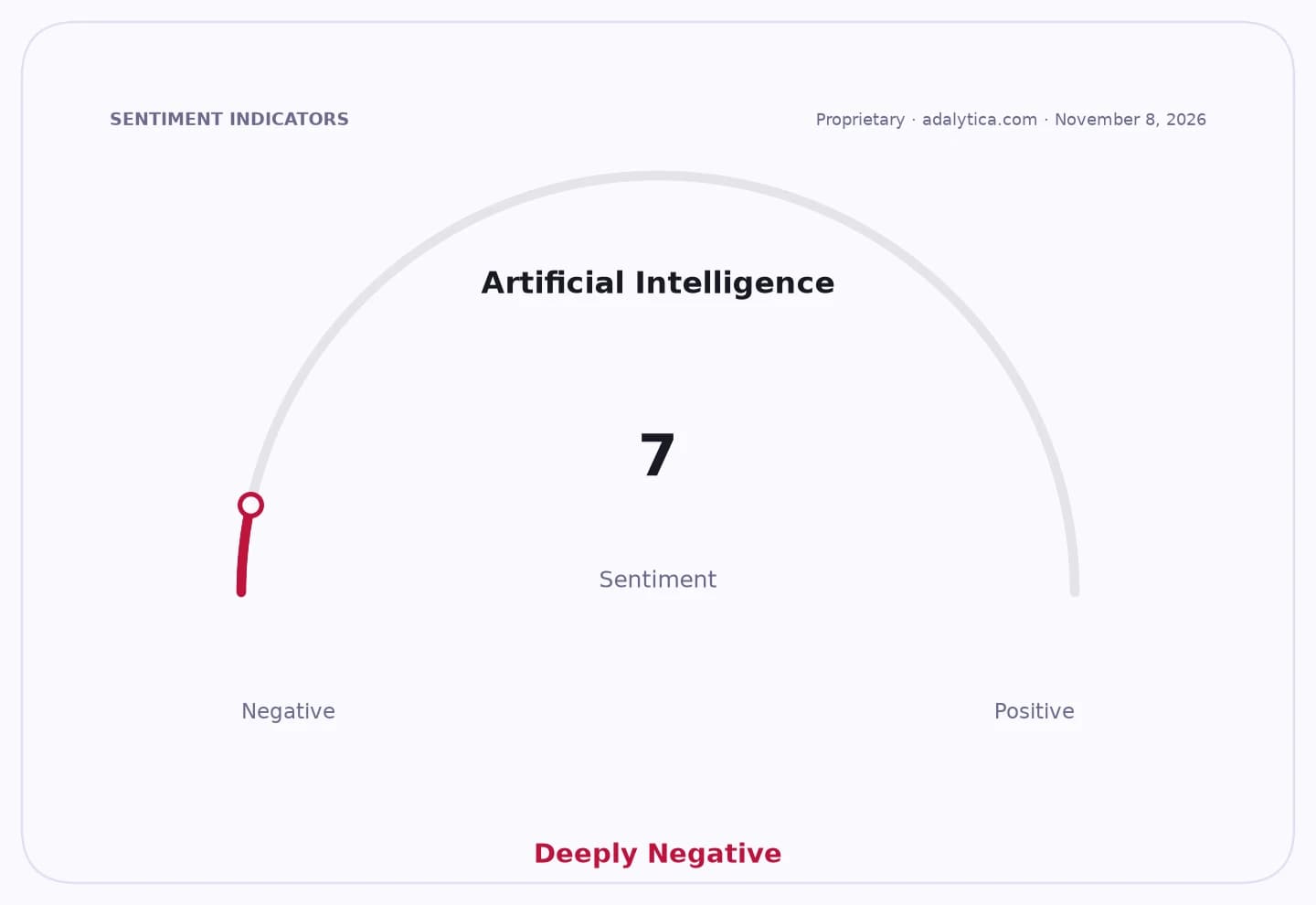
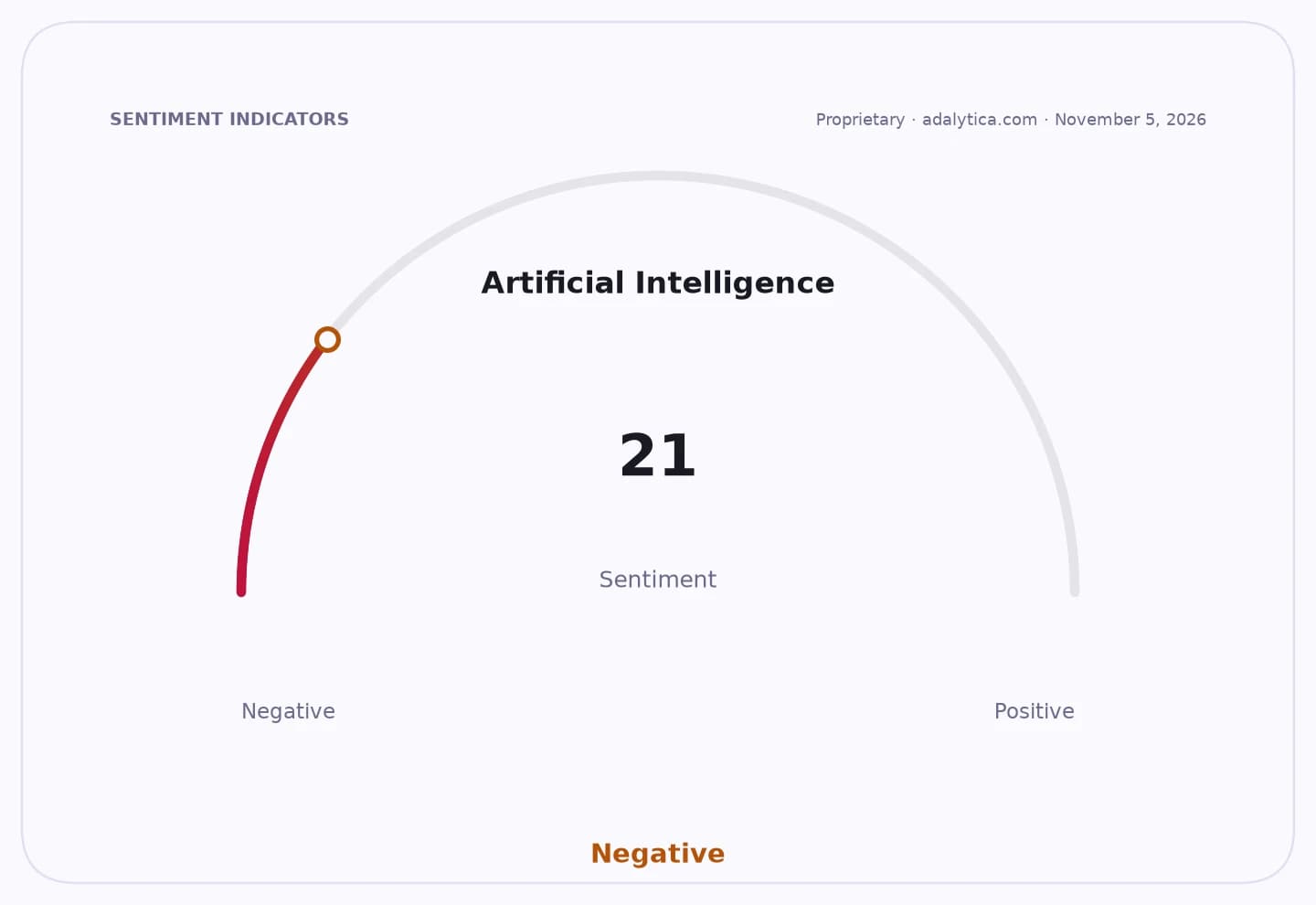
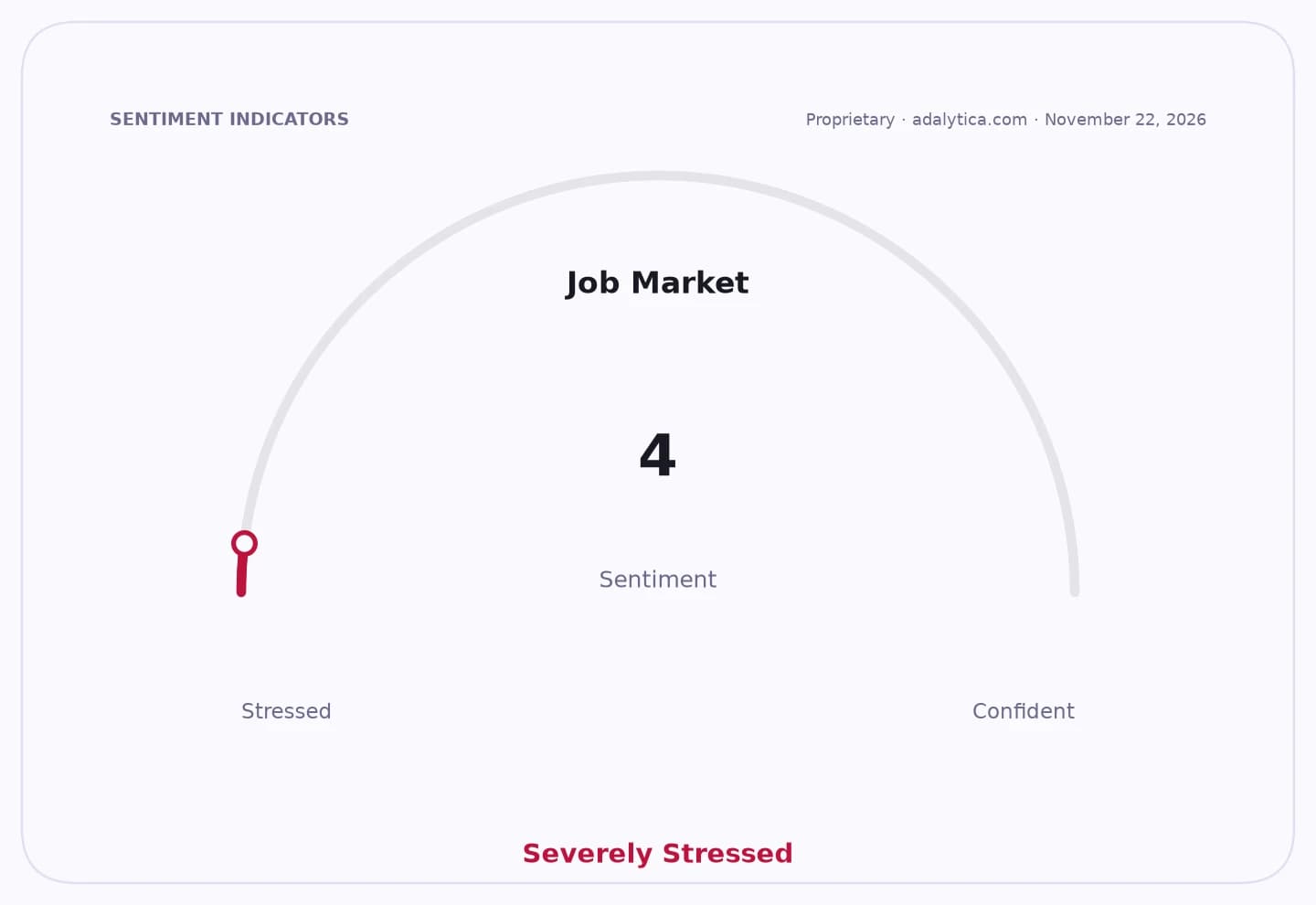
Sentiment Indicators
The course is built around the kinds of threats that are becoming more relevant as companies deploy AI tools more widely: adversarial machine learning, LLM prompt injection, agentic AI abuse and model supply-chain attacks. That is a telling curriculum. It shows where the industry believes the next wave of risk is coming from, and why cybersecurity budgets are likely to keep shifting toward tools and services that can secure AI systems, not just traditional networks and endpoints.
The programme will run for 78 hours over five modules, with Saturday online classes and practical training. Participants will also work with tools and frameworks such as PyRIT, Garak, Sigstore, OPA and Falco, then complete a capstone project involving a production-grade AI security solution. In other words, this is not a theory course. It is designed to produce hands-on workers who can be put to use quickly in enterprises that are trying to build or secure AI systems.
That has broader economic implications for India as well. The country’s IT services, consulting and enterprise software industries depend on a steady supply of skilled talent, and AI adoption is pushing employers to look for people who can bridge machine learning and security. A premium training programme from a brand like IIT Delhi helps create that pipeline. It also reinforces the idea that reskilling is becoming a business expense, not a nice-to-have perk, as employers race to keep up with changing technology.
The fee, about 1,65,200 rupees including GST, suggests this is pitched at mid-career professionals rather than students. That is important because the people most likely to enroll are those already working in cybersecurity, AI, data science, DevOps or governance, risk and compliance. Those are exactly the roles companies are likely to expand as AI systems become more embedded in operations.
For investors, the takeaway is straightforward: AI may still be the hottest growth story in tech, but the second-order opportunity is security. The more enterprises use large language models and agentic systems, the more they will spend on protecting them, auditing them and training staff to manage them. That should support demand across cybersecurity vendors, cloud platforms and enterprise training providers over the next several years.
IIT Delhi’s new programme is a reminder that the most durable AI winners may not just be the companies building the models, but also those helping the rest of the economy use them safely. For long-term investors, that makes AI security a theme worth watching closely and adding to the watchlist.
| Entity | Gains | Losses |
|---|---|---|
| IIT Delhi | ▲Higher program demand | ▼None obvious |
| Working professionals | ▲Flexible upskilling | ▼Time and tuition costs |
| Cybersecurity vendors | ▲Greater AI-security spending | ▼Legacy-only security tools |
| Enterprises adopting AI | ▲Better defenses and talent | ▼Higher compliance costs |