Artificial intelligence is moving from the lab into hiring, monitoring and performance management, and the International Labour Organization is arguing that voluntary ethics codes are not enough to govern what happens next.
ILO Paper Says AI Workplace Rules Need Standards
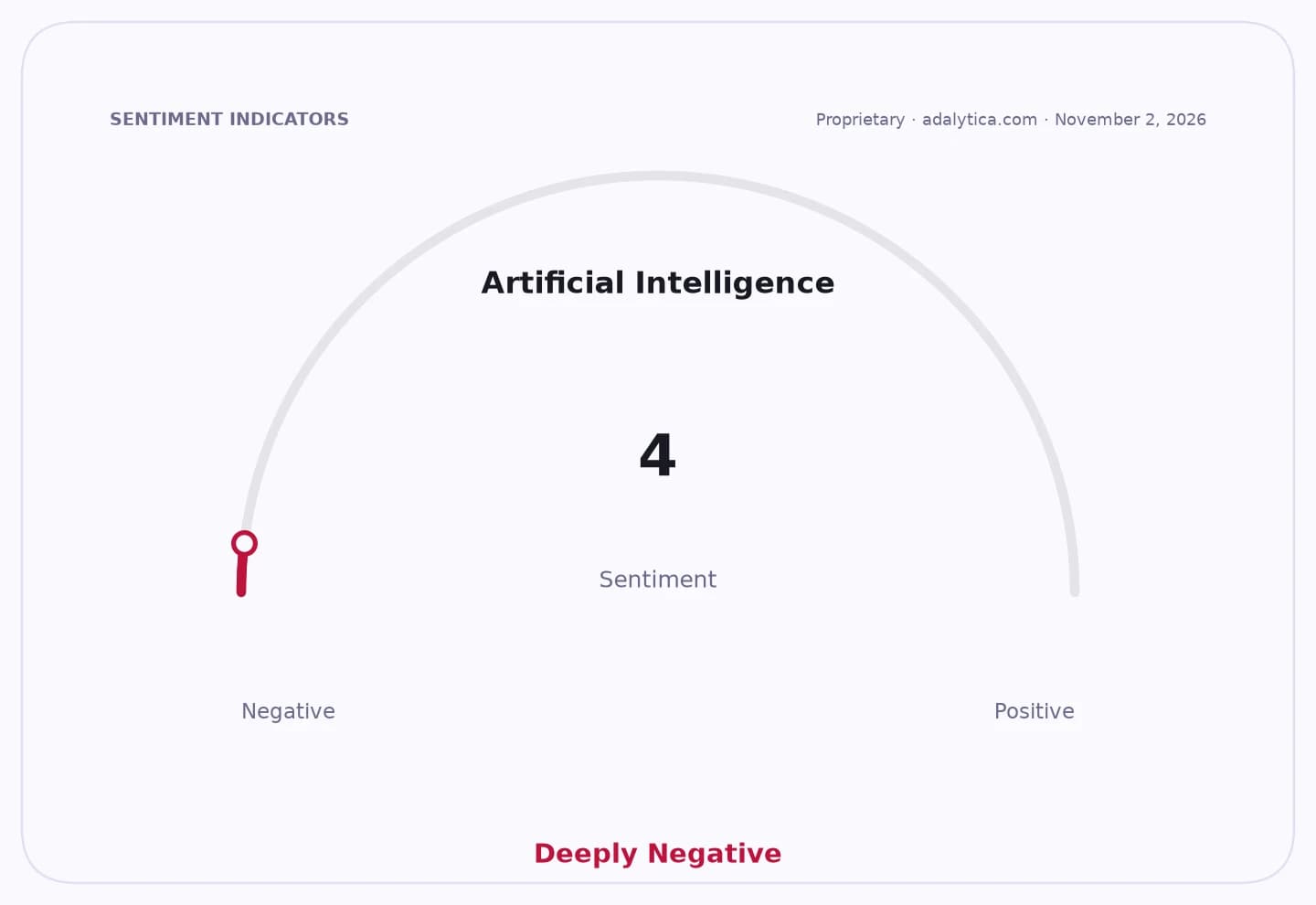
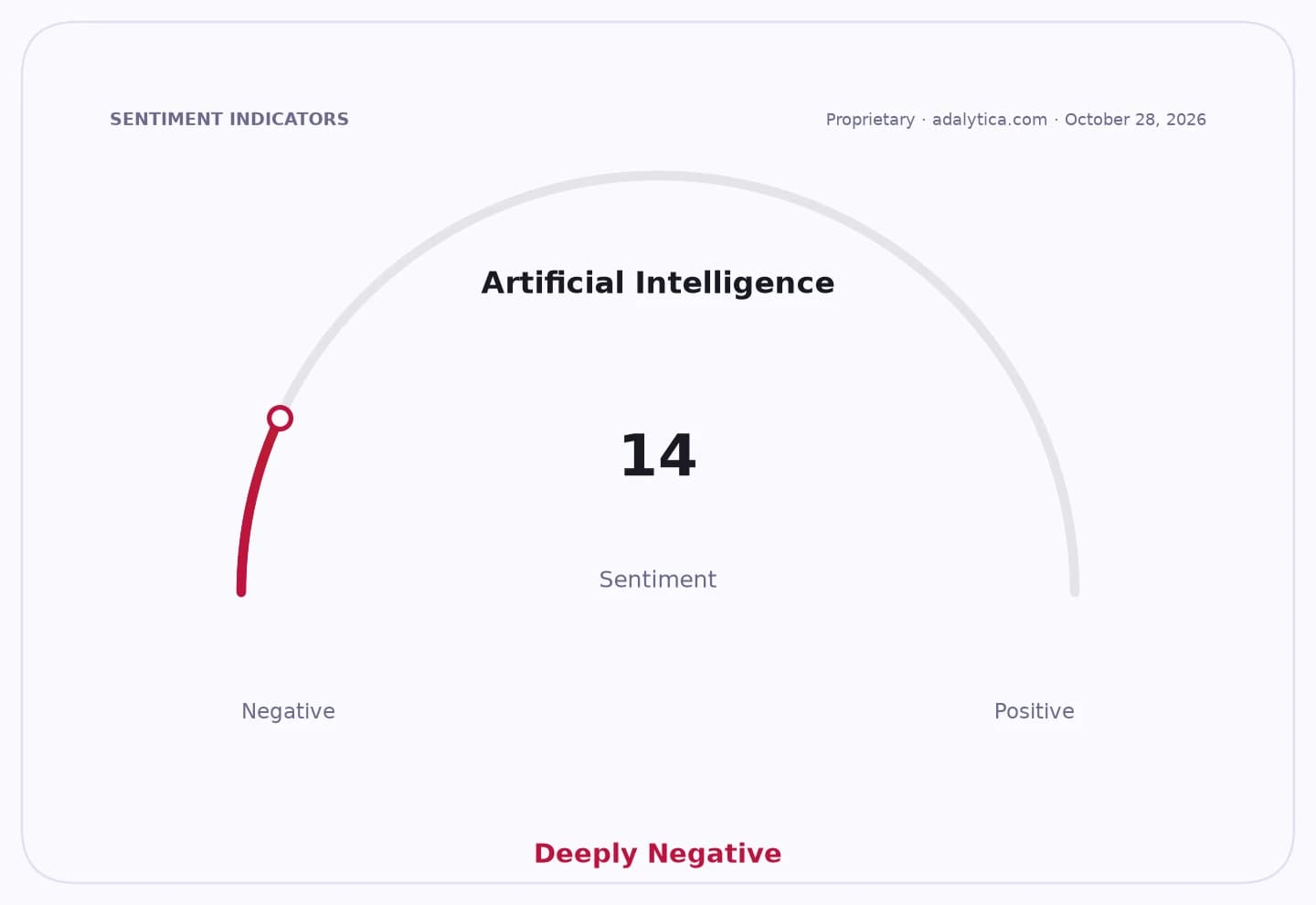
Artificial Intelligence
That matters because the biggest economic question around AI is no longer whether it can boost productivity, but who gets that productivity and at what cost to workers. The ILO’s new working paper says international labour standards can provide a practical framework for AI at work, especially where companies are using algorithms to screen applicants, track employees or make employment decisions that affect pay, promotion or dismissal.
Sentiment Indicators
The paper draws a line between broad AI ethics principles and the rules that already shape workplaces through the ILO’s system of international labour standards. It finds clear overlap on fairness, dignity, well-being and the avoidance of harm. But it also says mainstream AI ethics discussions often leave out collective rights such as freedom of association, collective bargaining and social dialogue — issues that become central when technology changes how work is organized.
For investors, that is not just a policy footnote. Regulation around workplace AI is tightening across jurisdictions, and the compliance burden is rising for employers and software makers alike. Microsoft and AI company C3.ai both flag in their filings that expanding AI rules can raise costs, slow deployments and expose firms to legal and reputational risk. That helps explain why shares can become volatile when the market starts to price in AI oversight as a margin issue, not just a growth story.
The ILO’s message is essentially that responsible AI adoption will depend on governance, not hype. Employers that use AI to make hiring and management decisions will need transparency, accountability and worker protections built into the process. That could slow some deployments in the near term, but it also lowers the risk of backlash, lawsuits and fragmented rules later on.
For long-term investors, the key takeaway is that workplace AI is still a secular growth opportunity — but the winners will be the companies that can prove their systems are fair, explainable and compliant. That makes governance a competitive advantage, not a side issue, and it’s one more reason to favor AI leaders with strong balance sheets, durable moats and the ability to adapt as the rulebook evolves.
| Entity | Gains | Losses |
|---|---|---|
| Workers | ▲Fairer treatment | ▼Opaque algorithmic decisions |
| Employers | ▲Clearer compliance rules | ▼Faster, unchecked automation |
| AI vendors | ▲Trust from customers | ▼Margin pressure from regulation |
| ILO and regulators | ▲Stronger role in governance | ▼Voluntary ethics-only approach |