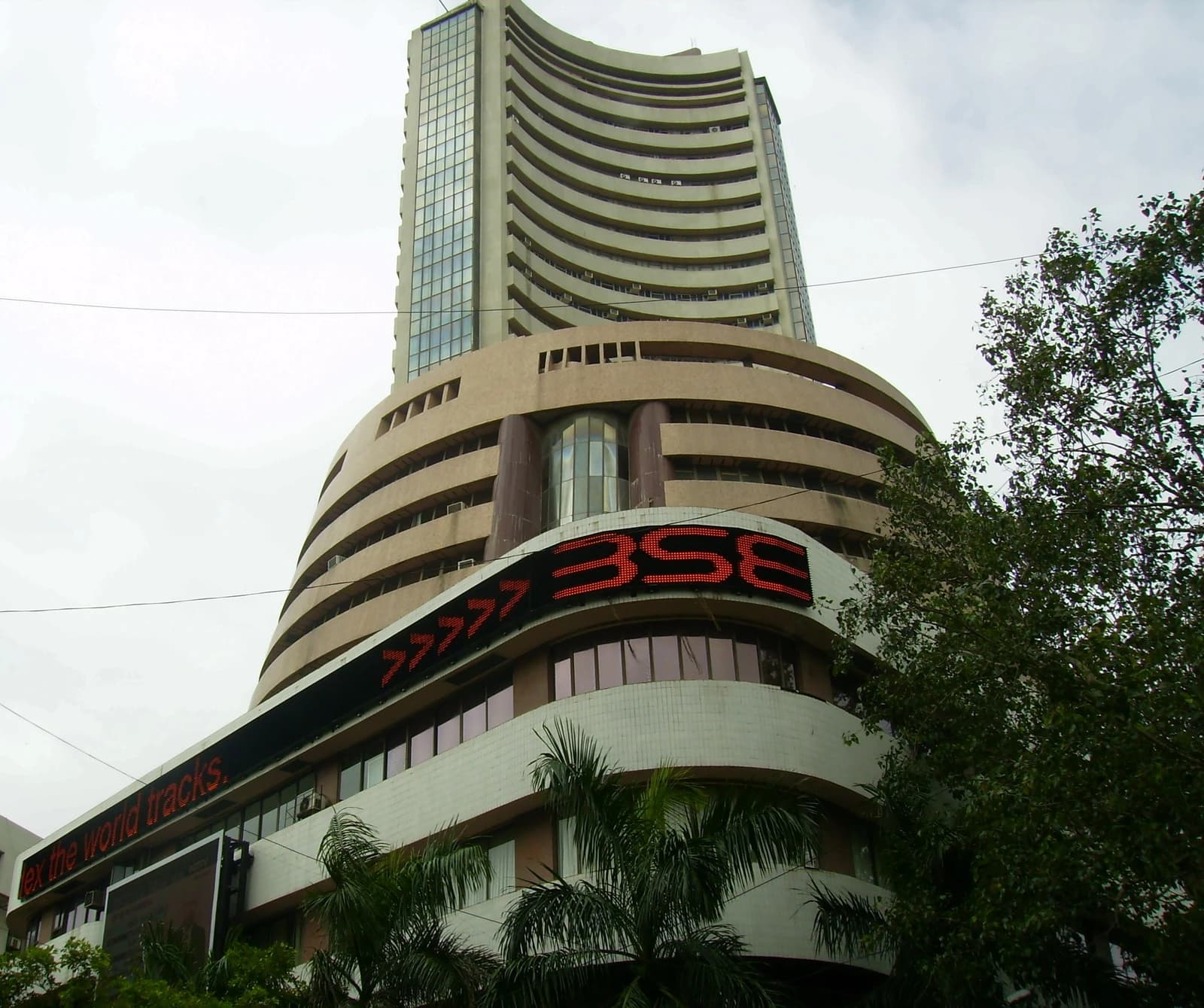
India’s 10-year bond yield was little changed at 6.96% as investors waited for the government’s weekly debt sale, with elevated oil prices and renewed US-Iran tensions keeping the market cautious.
India 10-year bond yield steady at 6.96% before auction
The benchmark 10-year yield was last quoted at 6.9654%, almost unchanged from 6.9646% in the previous session, underscoring a market that has paused after a recent improvement in liquidity conditions. The Reserve Bank of India said special concessional swap windows, including those for FCNR-B deposits, drew nearly $136 billion in inflows, helping lift banking system liquidity to a record surplus of about Rs 9 lakh crore and pulling down short-term rates.
Sentiment IndicatorsⓘProprietary · adalytica.com · September 4, 2026
This is a snapshot — live sentiment, awareness and momentum for 130+ markets update continuously in the dashboard.Open AlphaPulse
That liquidity backdrop matters because it gives the government more room to sell debt without forcing yields sharply higher, especially at the shorter end of the curve. Traders are watching whether demand for the five-year note in Thursday’s Rs 32,000 crore auction can extend the recent improvement in appetite for shorter-duration paper. A strong bid would reinforce expectations that excess cash in the banking system can absorb supply; a weak auction would suggest the market still wants a higher term premium to hold sovereign debt.
Global cues are less supportive. Brent crude stayed above $95 a barrel as the US-Iran standoff added to geopolitical risk, keeping pressure on inflation expectations and on countries such as India that import most of their oil. Higher crude typically widens India’s current-account risks, raises the fuel bill for companies and consumers, and can revive demand for dollars from oil importers, a factor traders said could put the rupee back under pressure if it approaches 95 per dollar.
For investors, the near-term question is whether domestic liquidity can overpower the global bond selloff. The bond market has already benefited from the RBI-led inflows, but the weekly auction will test how durable that support is when supply meets a still-unsettled oil backdrop and a crowded calendar of global data, including US payrolls, that could shape the Federal Reserve outlook.
If demand at the sale is firm, yields could stay anchored and favor short-duration bonds. If buyers demand more compensation for fiscal supply and external risks, the 10-year yield may drift higher again, especially with crude and foreign-exchange volatility still in play.
| Entity | Gains | Losses |
|---|---|---|
| Government bond buyers | ▲Better pricing if auction demand is strong | ▼Mark-to-market losses if yields rise |
| Government of India | ▲Lower funding costs if bids are solid | ▼Higher borrowing costs if demand is weak |
| Banks and liquidity-rich lenders | ▲Can deploy surplus cash into sovereign paper | ▼Lose carry if yields back up |
| Oil importers and rupee bulls | ▲Benefit if crude eases and yields stay contained | ▼Face pressure if oil and dollar demand rise |