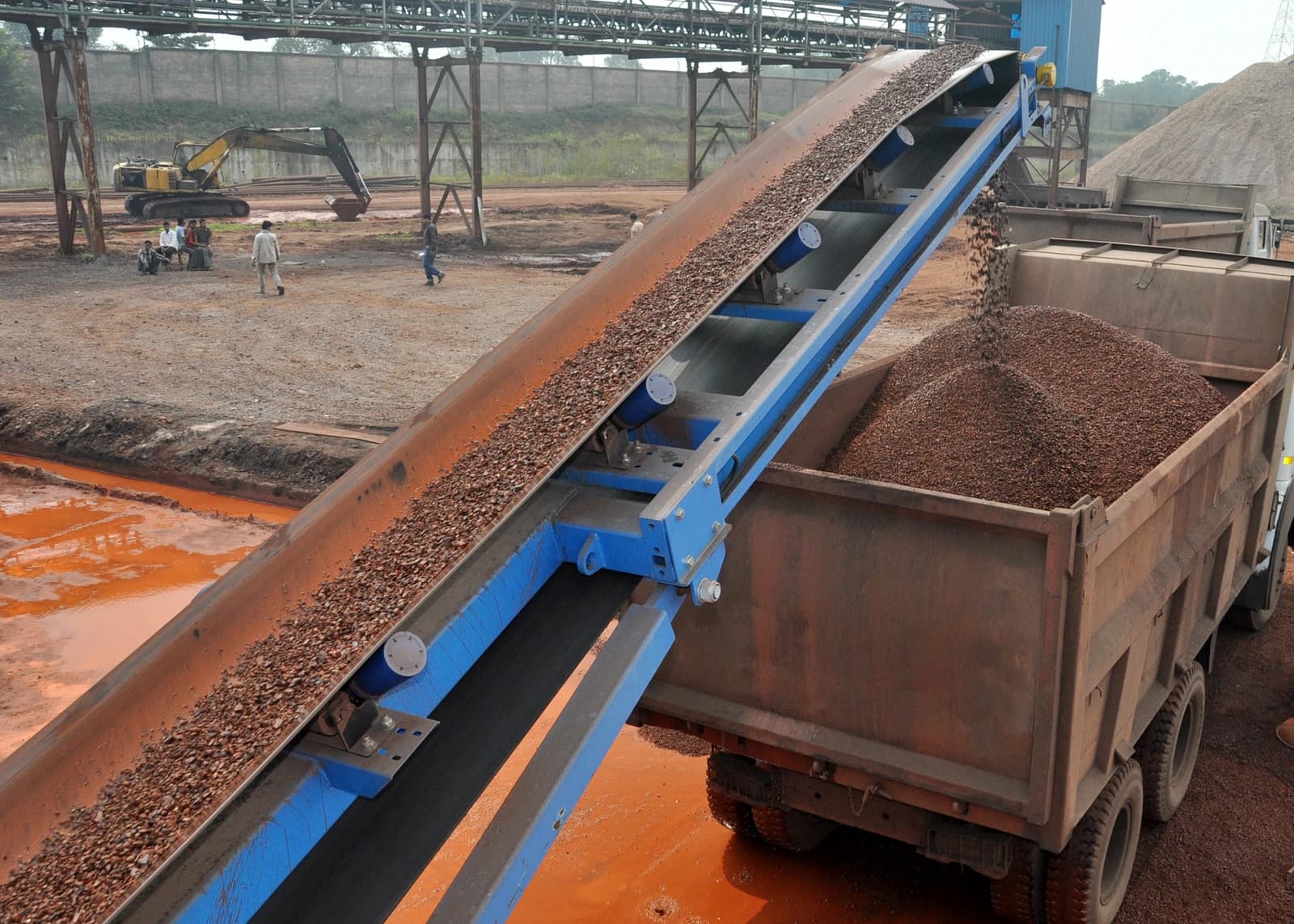
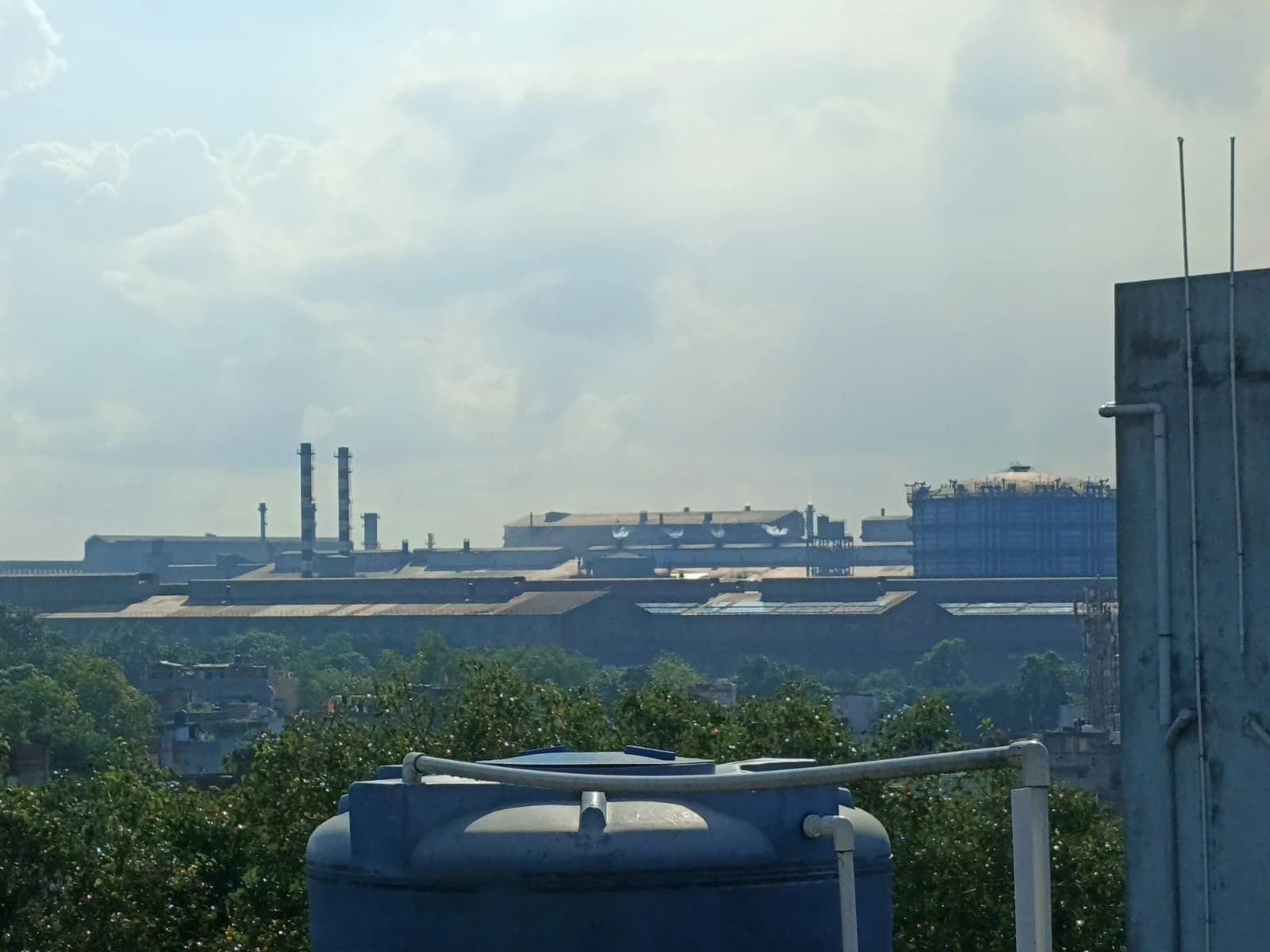
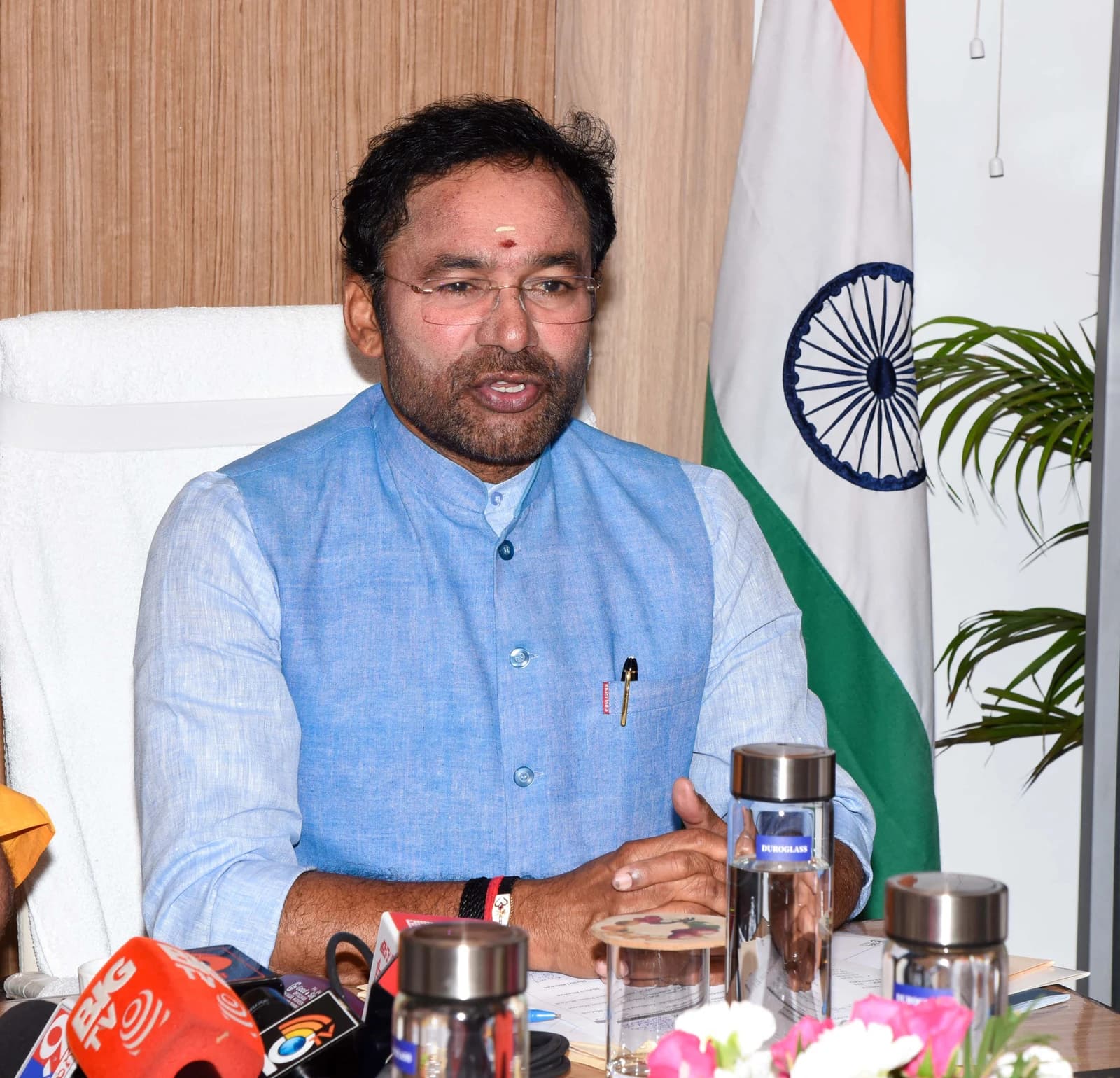
India is setting the table for a major surge in industrial capex, with Coal and Mines Minister G. Kishan Reddy saying the country aims to produce 300 million tonnes of steel a year by 2030, up from about 168 million tonnes now. The target matters because it points to a multi-year expansion in mines, iron ore output, logistics and power demand that could reshape India’s infrastructure economy and create one of the world’s biggest steel growth stories.
India sets 2030 steel output target at 300 million tonnes
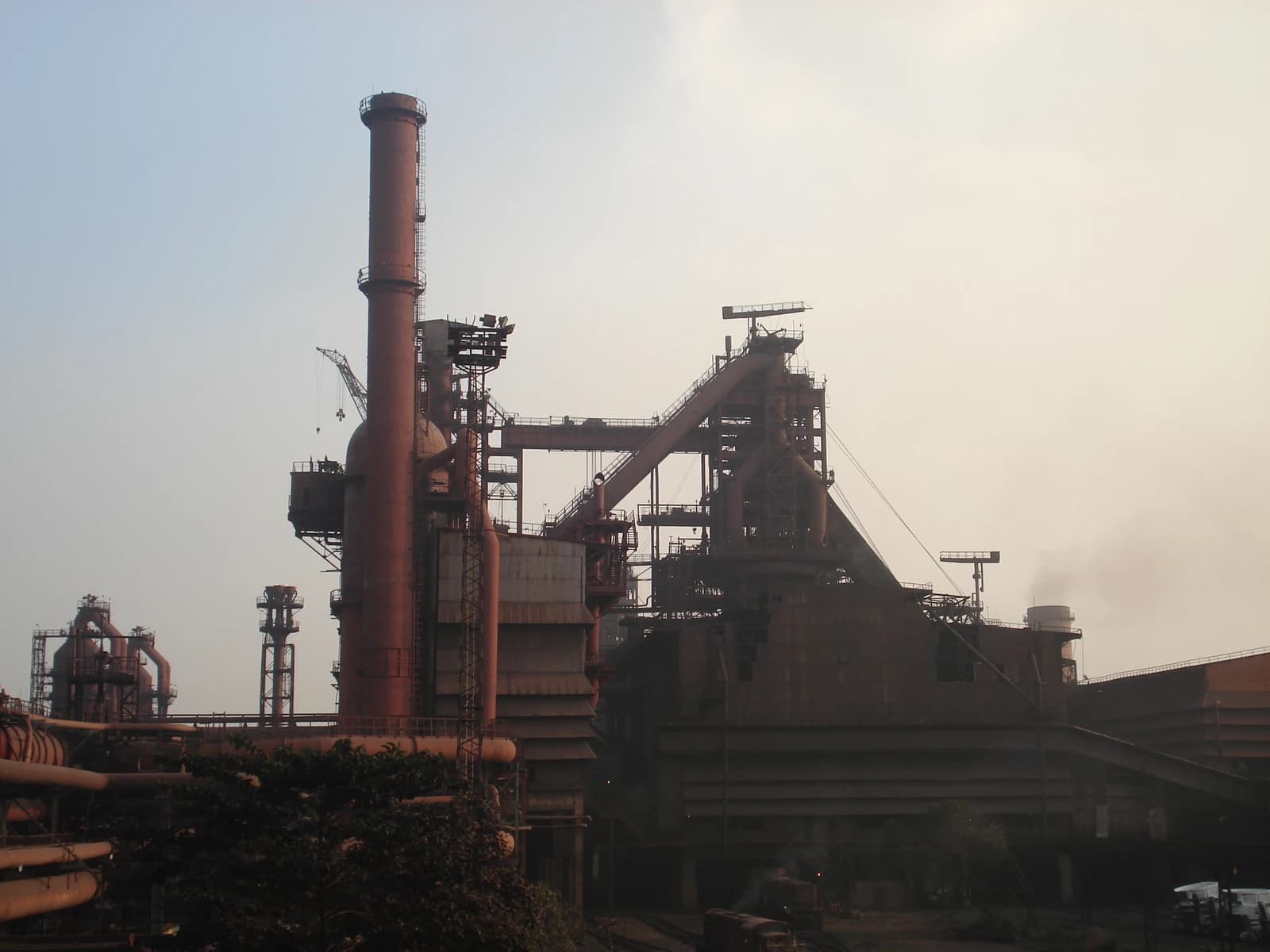
For investors, the message is bigger than a headline production goal. A jump of this scale would require far more iron ore, coal, transport capacity and downstream fabrication, turning India into an even more important demand center for bulk commodities and industrial equipment. It also reinforces the government’s push to use domestic resources more efficiently, including recovering more iron ore from mining dumps and widening exploration, which could lift supply without relying as heavily on imports.
Sentiment Indicators
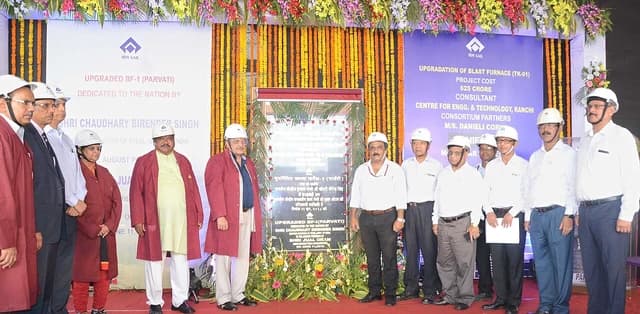
Reddy said the government is focusing on increasing iron ore production to make steel more affordable and support housing demand across income groups. That links steel policy directly to one of India’s most durable growth themes: urbanization. Cheaper steel and cement feed directly into construction economics, from housing to highways and rail, and the policy could help keep the country’s infrastructure cycle running even if global growth softens.
The market already has a template for what stronger steel demand can do to pricing and earnings. U.S. steelmakers have been reporting resilient order books and firmer pricing in 2026, while iron ore producer Vale has shown how tightness and cost dynamics can swing margins in the raw-material chain. If India follows through, the beneficiaries are likely to be the same kinds of names investors already associate with the commodity supercycle: miners, steel producers, rail-linked logistics firms and industrial suppliers with exposure to construction and infrastructure.
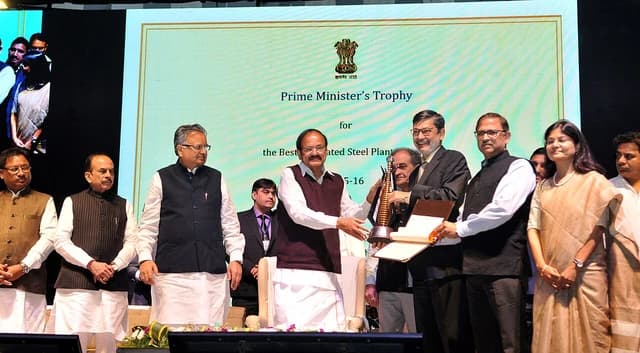
The strategic implication is that India is not just trying to add steel capacity; it is trying to build a deeper industrial base around it. That makes the country a more important long-term destination for capital tied to metals, mining technology, ports, freight and heavy equipment. Our thesis is that the market still underestimates how much incremental demand India can create across the full steel value chain once policy, mineral output and infrastructure spending start reinforcing each other.
For now, the clearest trade is to stay with the picks-and-shovels of the cycle: miners, steelmakers and industrial infrastructure names that stand to benefit first if India’s 2030 steel target turns into real production, real ore demand and real pricing power.
| Entity | Gains | Losses |
|---|---|---|
| Indian steelmakers | ▲Higher output volumes | ▼Execution pressure |
| Iron ore miners | ▲Stronger domestic demand | ▼Higher supply targets |
| Infrastructure firms | ▲Cheaper steel inputs | ▼Margin volatility |
| Steel importers | ▲— | ▼Domestic price competition |