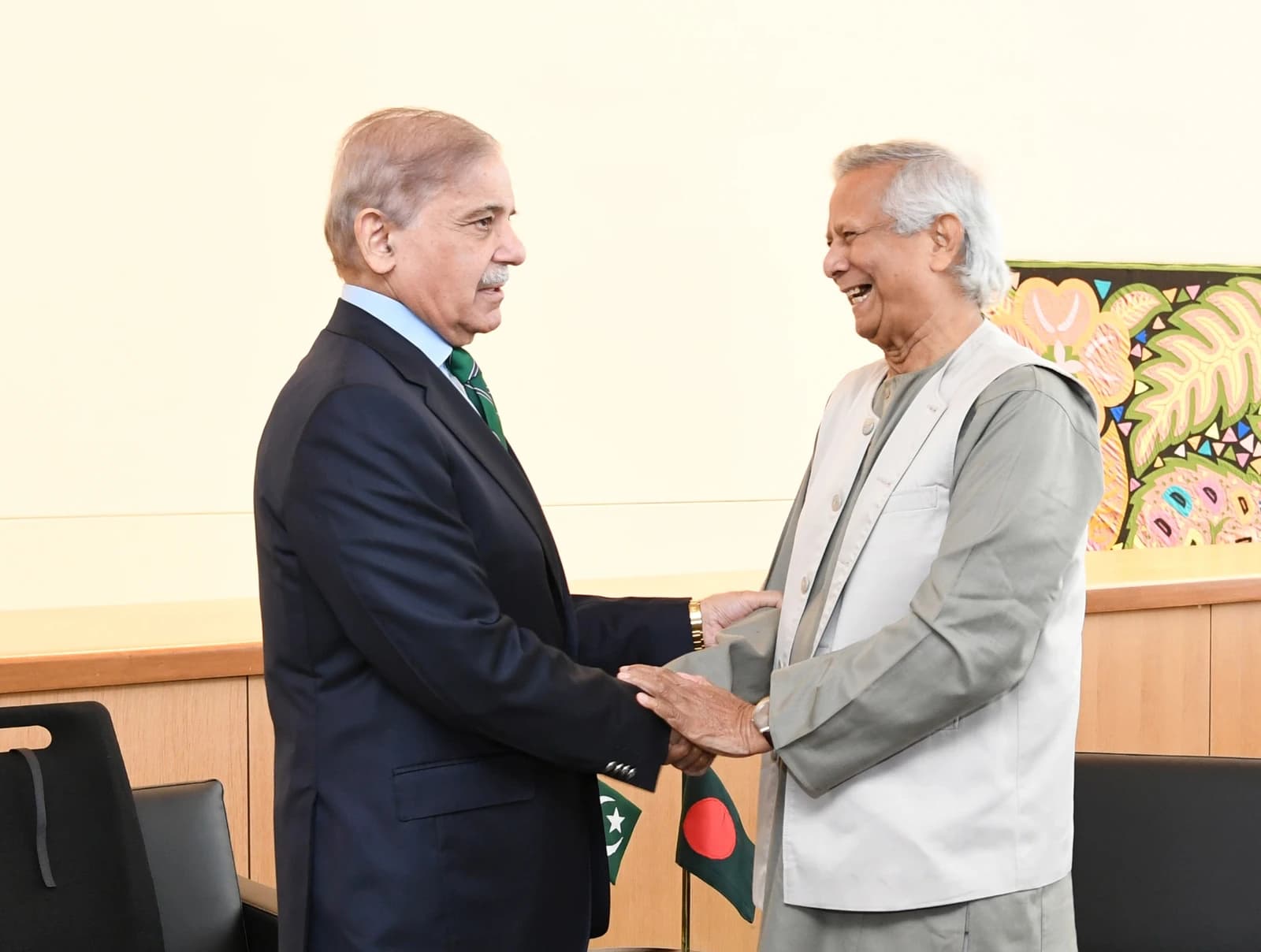
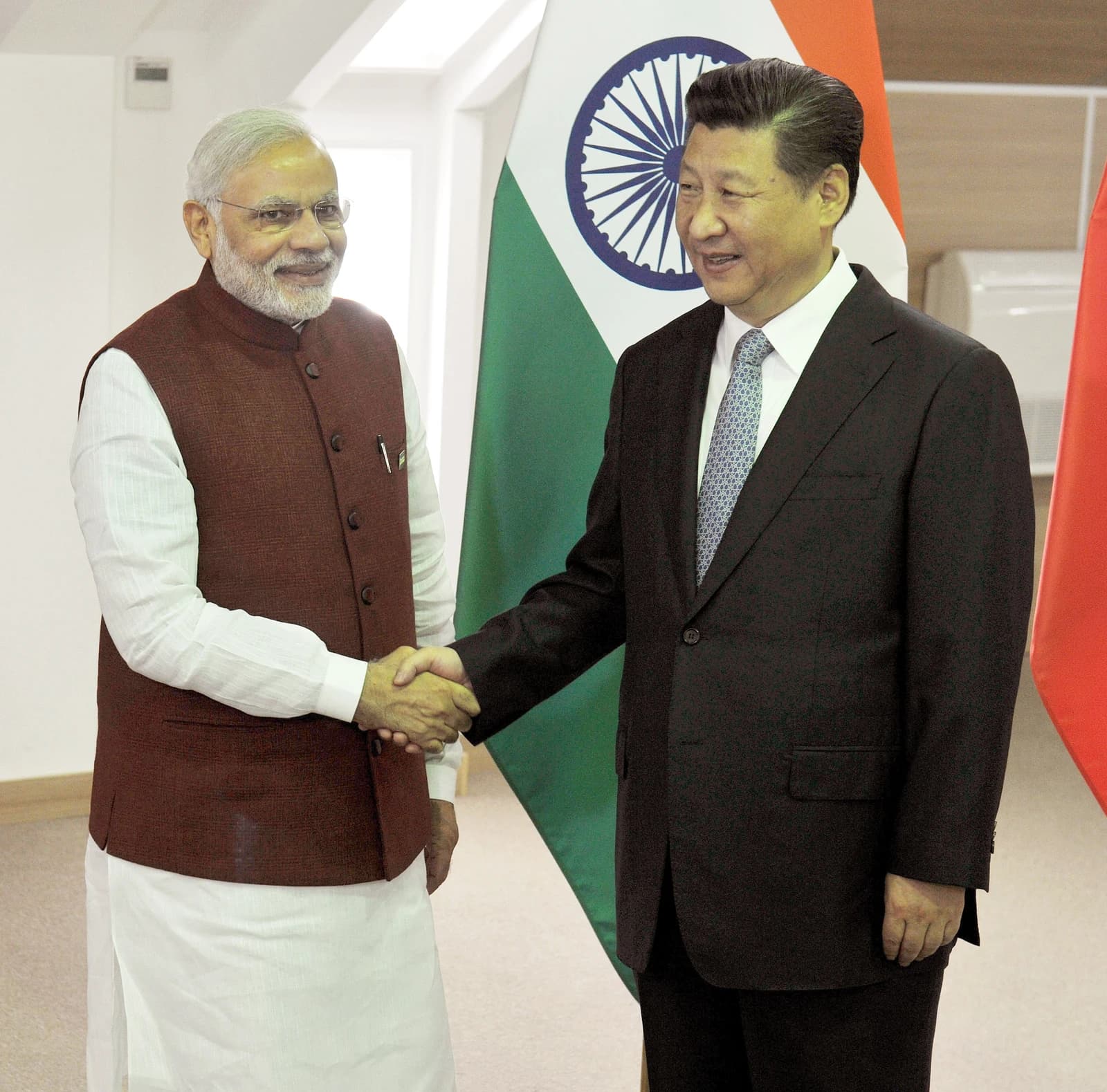
India’s public support for Afghanistan’s sovereignty at a high-stakes Moscow regional meeting underscores a deeper shift in South Asia’s geopolitical balance: New Delhi is signaling it will engage the Taliban-led government on its own terms, even if that worsens friction with Pakistan and complicates regional diplomacy.
India Afghanistan stance at Moscow regional meeting
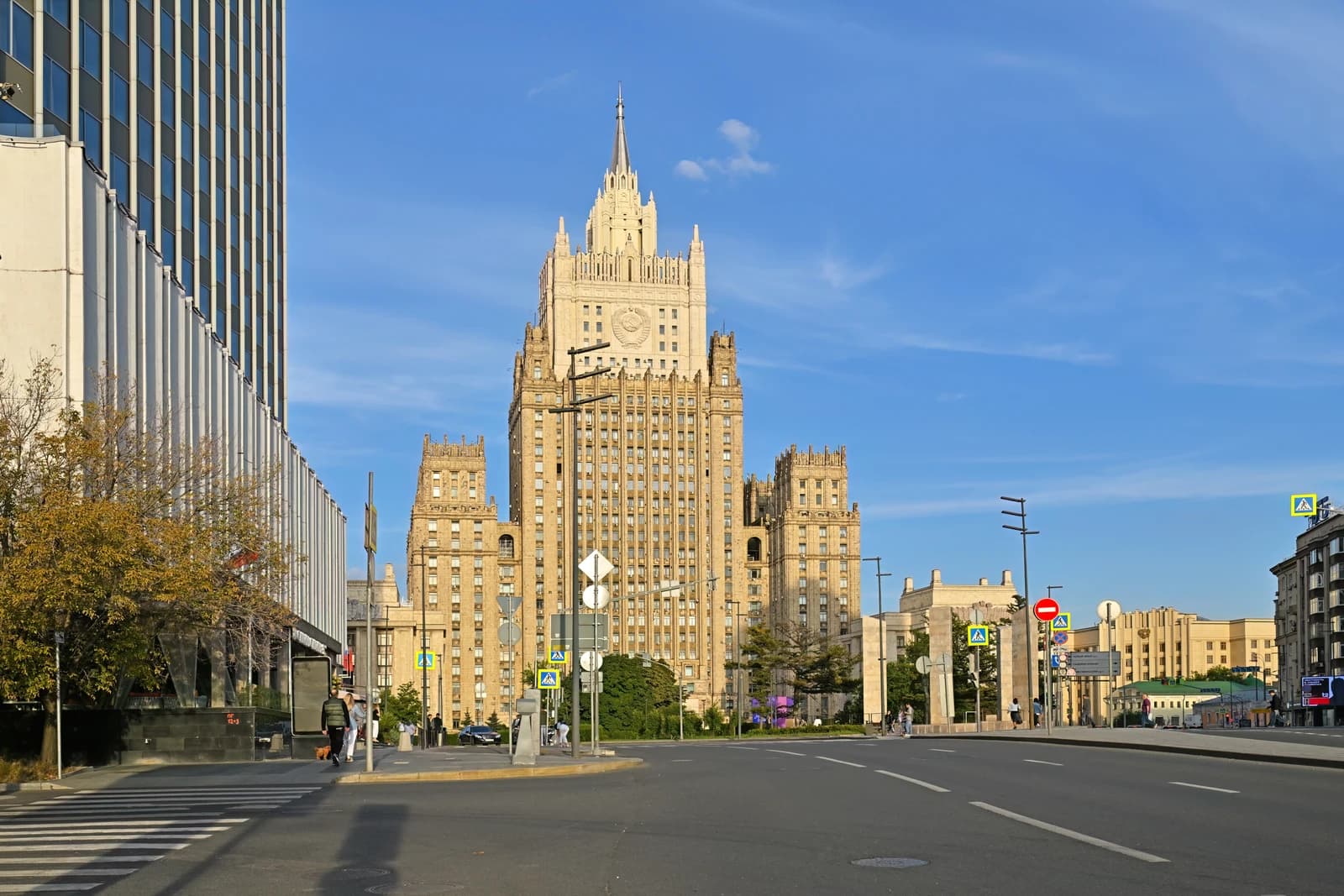
That matters because the Afghanistan file is no longer just a security issue. It is becoming a test of influence across Central and South Asia, where Russia, China, Iran and India all want a say in how Kabul is governed, how borders are managed and whether militant spillover is contained. For Pakistan, the optics are especially damaging. The Moscow format meeting ended without a joint statement after repeated clashes between Pakistani and Taliban delegates, highlighting how little diplomatic control Islamabad now has over the very relationship it once expected to dominate.
India’s delegation, led by Ambassador Vinay Kumar and Joint Secretary M. Suresh Kumar, used the forum to repeat New Delhi’s commitment to the Afghan people and to the country’s sovereignty, even as Pakistan continued its criticism of cross-border security concerns. That stance is consistent with India’s broader strategy: keep a channel open to the Taliban without recognizing it formally, preserve leverage in a country where Pakistan has long sought strategic depth, and position itself as a stabilizing power rather than a spoiler.
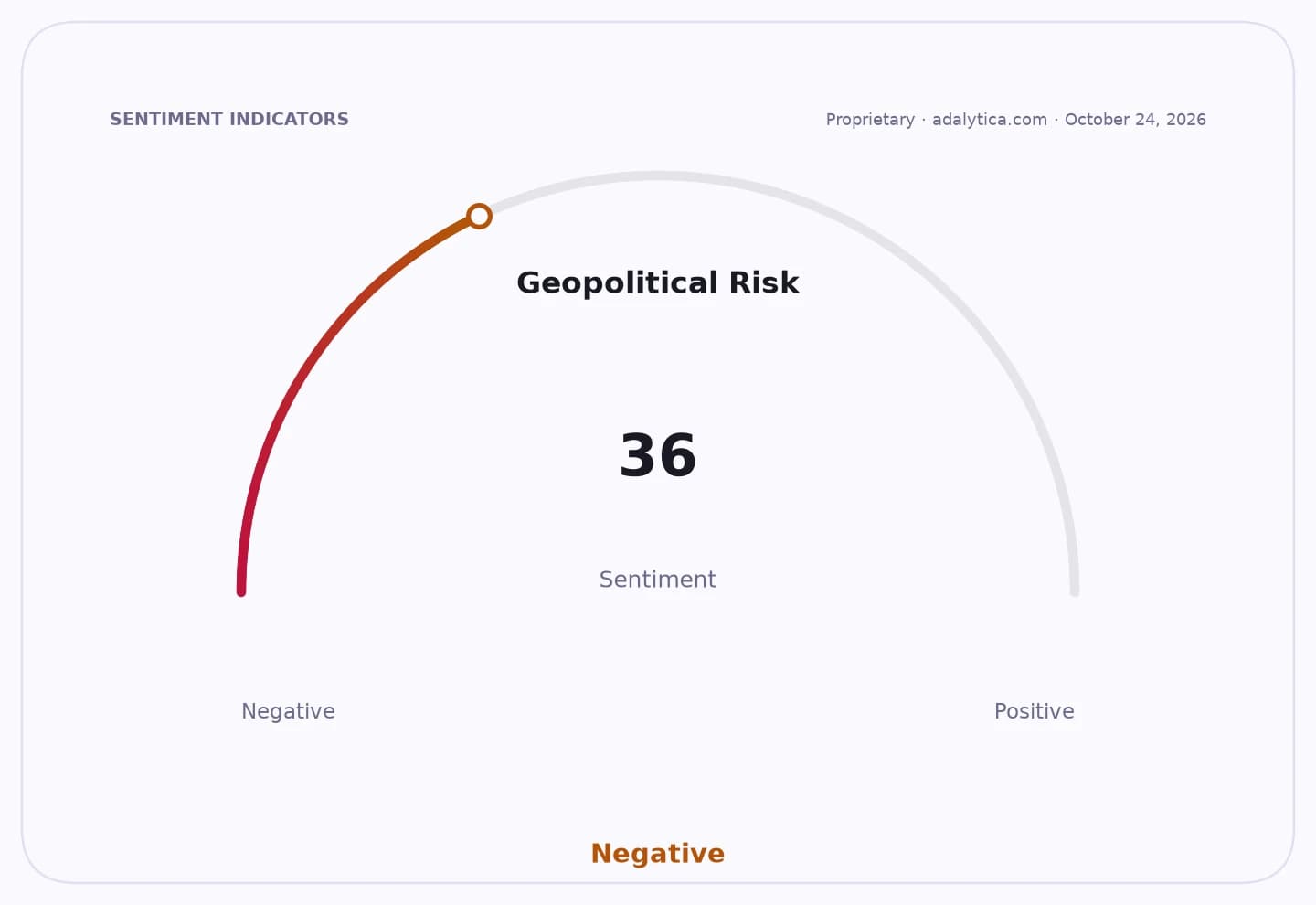
For investors, this kind of geopolitical realignment matters because it affects security risk, trade corridors and capital allocation across the wider region. Any sign that Pakistan is losing diplomatic leverage in Kabul raises questions about border stability, militant activity and the durability of transit routes linking South Asia to Central Asia. It also strengthens the case for watching India’s defense, infrastructure and energy-security themes, as New Delhi continues to hedge against regional volatility by investing in strategic autonomy.
The market backdrop reinforces that investors are already looking for safety and control in uncertain global politics. The U.S. dollar remains broadly supported on Adalytica’s trade snapshot, with awareness still in “greed” territory, while the Mexico ETF EWW has given back some of its earlier strength and Pakistan-linked assets remain sensitive to geopolitical headlines. In other words, capital is still rewarding jurisdictions with clearer policy credibility and punishing those trapped in diplomatic confrontation.
The bigger narrative is that Afghanistan is once again becoming a proving ground for regional power. India’s move in Moscow suggests it intends to shape that outcome, not watch from the sidelines. If that stance hardens into a wider diplomatic and economic opening with Kabul, the real beneficiaries could be Indian strategic industries and logistics chains tied to regional connectivity, while Pakistan risks deeper isolation unless it can reset its approach.
For investors, the takeaway is simple: this is not just a foreign-policy headline. It is another reminder that South Asia’s security map is shifting, and the countries that can convert geopolitical leverage into economic influence are likely to command the premium. That favors India’s long-duration strategic story and argues for caution on Pakistan-facing exposure until the regional temperature cools.
| Entity | Gains | Losses |
|---|---|---|
| India | ▲regional leverage | ▼— |
| Taliban-led Afghanistan | ▲diplomatic recognition-by-engagement | ▼Pakistan pressure |
| Pakistan | ▲— | ▼diplomatic isolation |
| Indian defense/infrastructure themes | ▲strategic demand | ▼regional risk discount |