Pakistan’s leaders are doubling down on ties with China at a time when Islamabad needs external backing for security, diplomacy and long-term economic stability.
Pakistan China ties deepen after high-level meetings
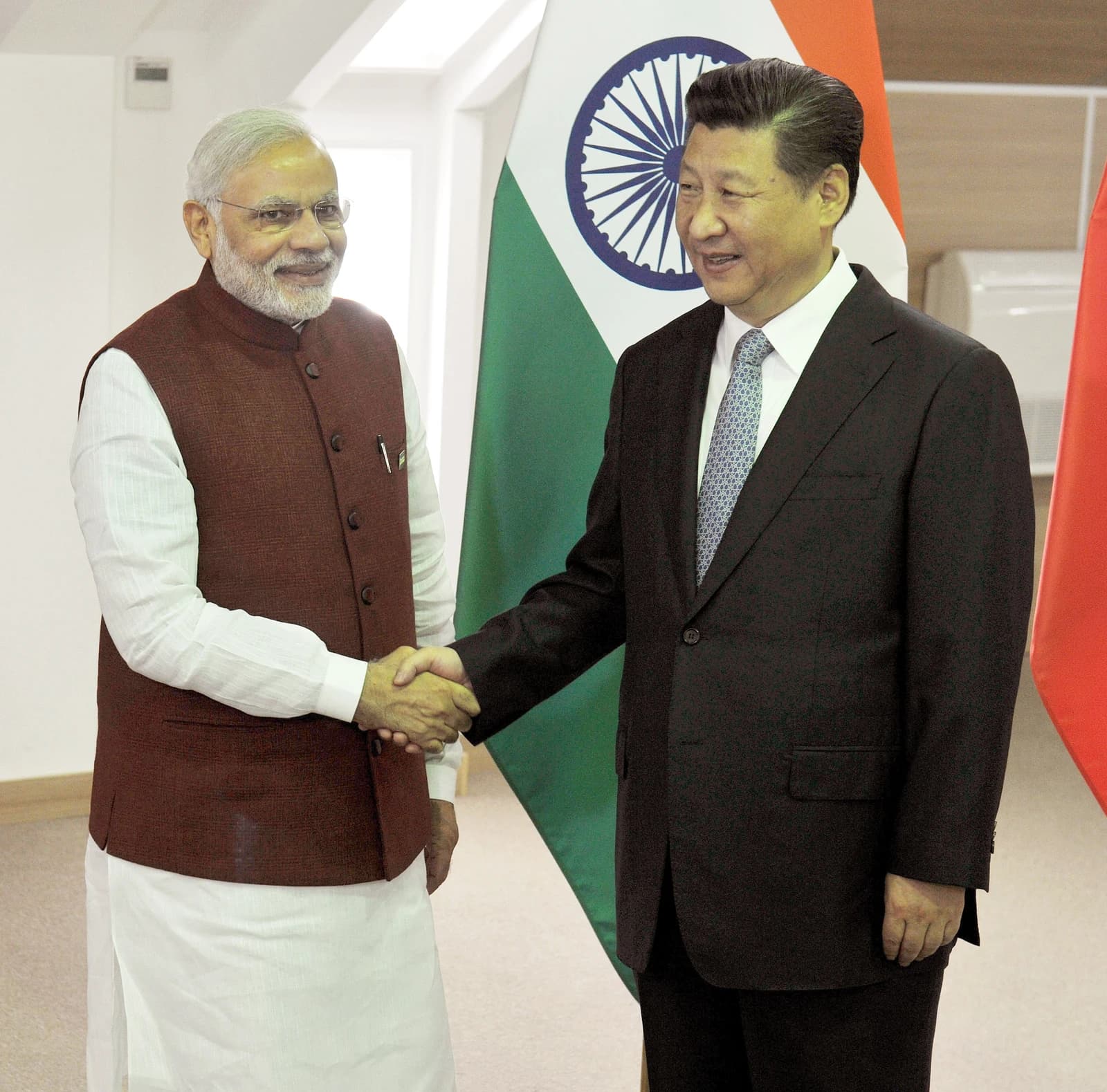
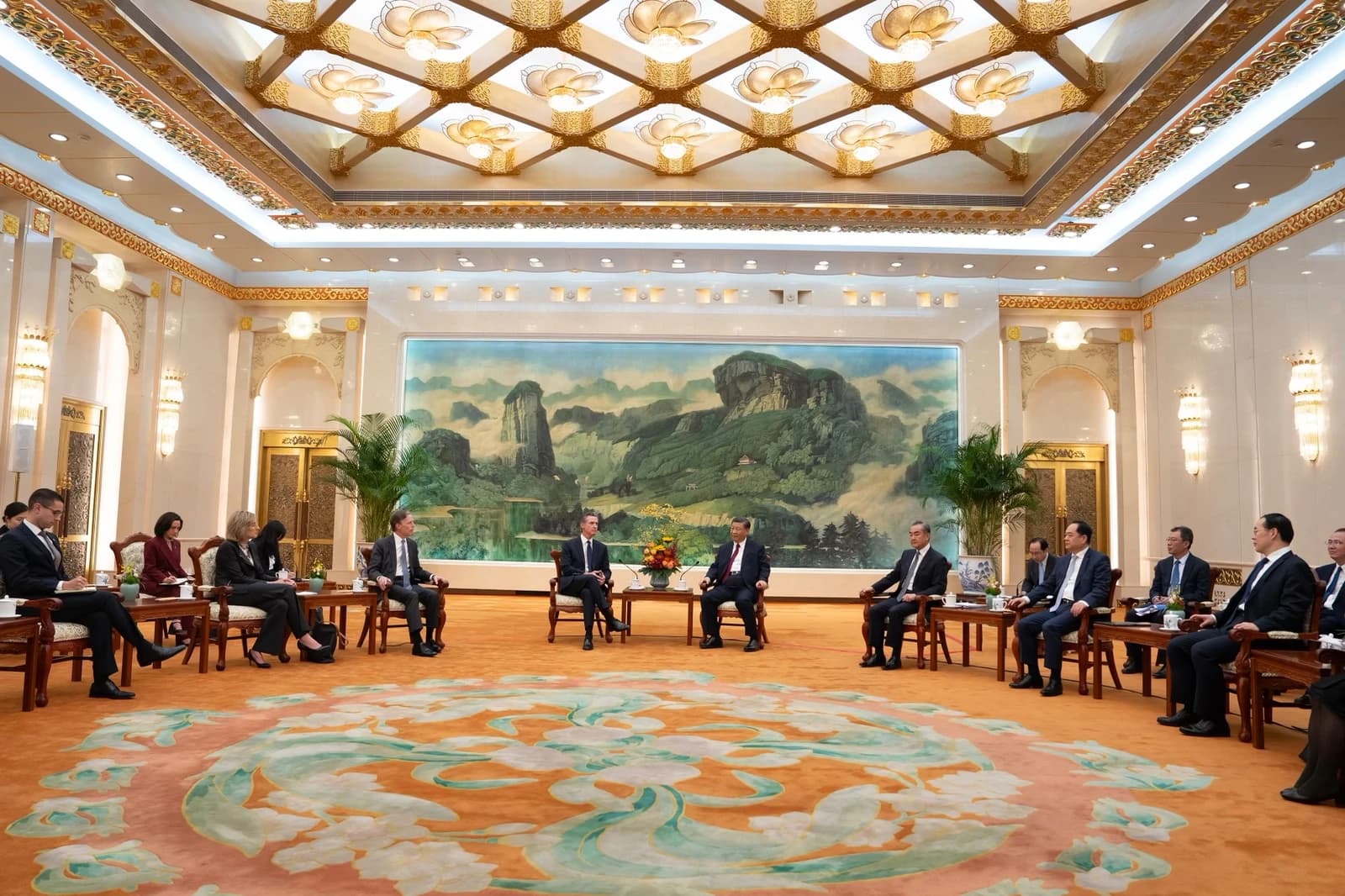
Prime Minister Shehbaz Sharif said Pakistan and China share a friendship built on mutual trust and respect, adding that the “iron friendship” has passed every test, after meetings with a visiting Chinese delegation led by Liu Haixing, minister in the International Department of the Communist Party of China’s Central Committee. Sharif and Field Marshal Asim Munir both met the delegation separately, underscoring how central Beijing remains to Pakistan’s civilian and military power structure.
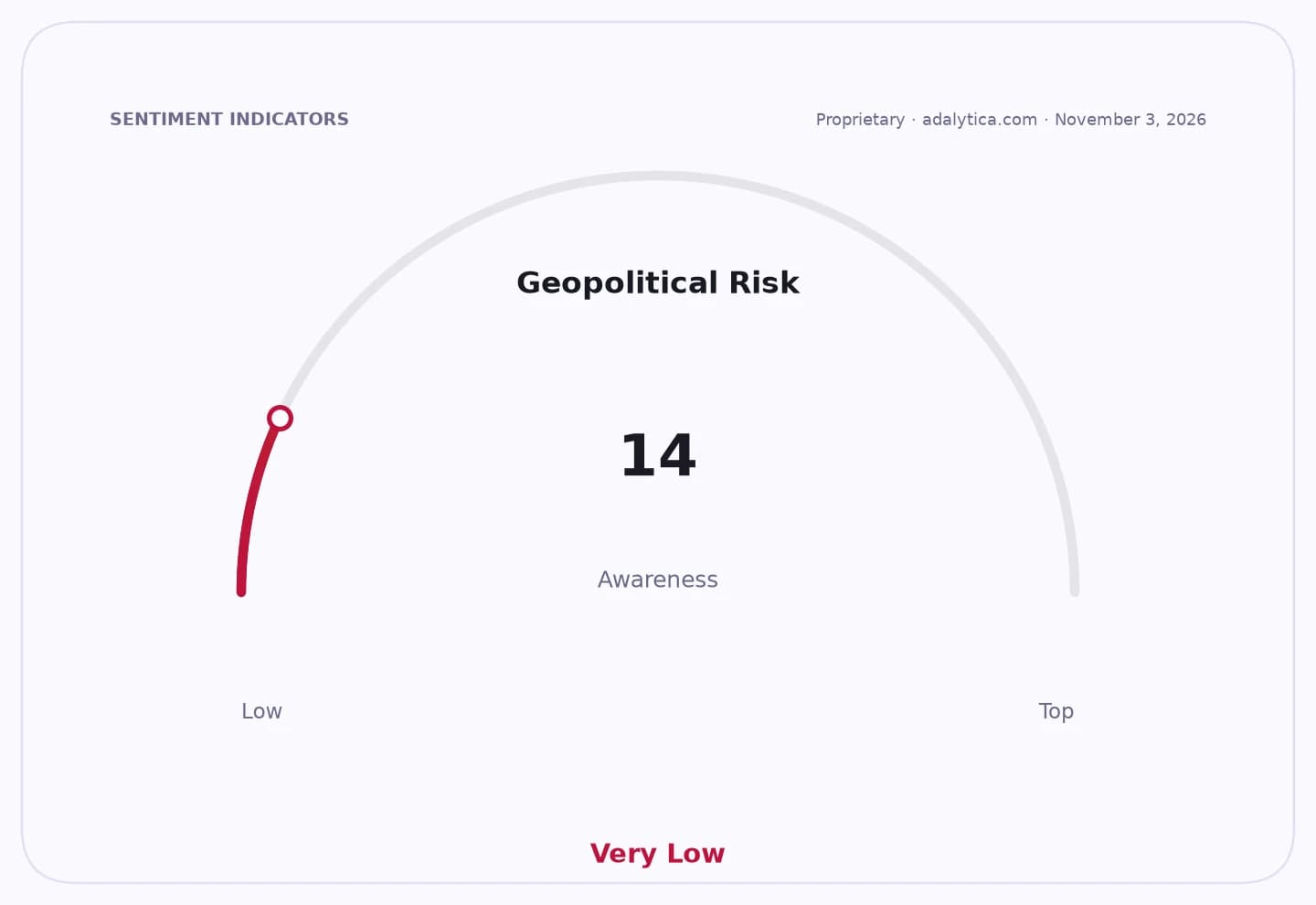
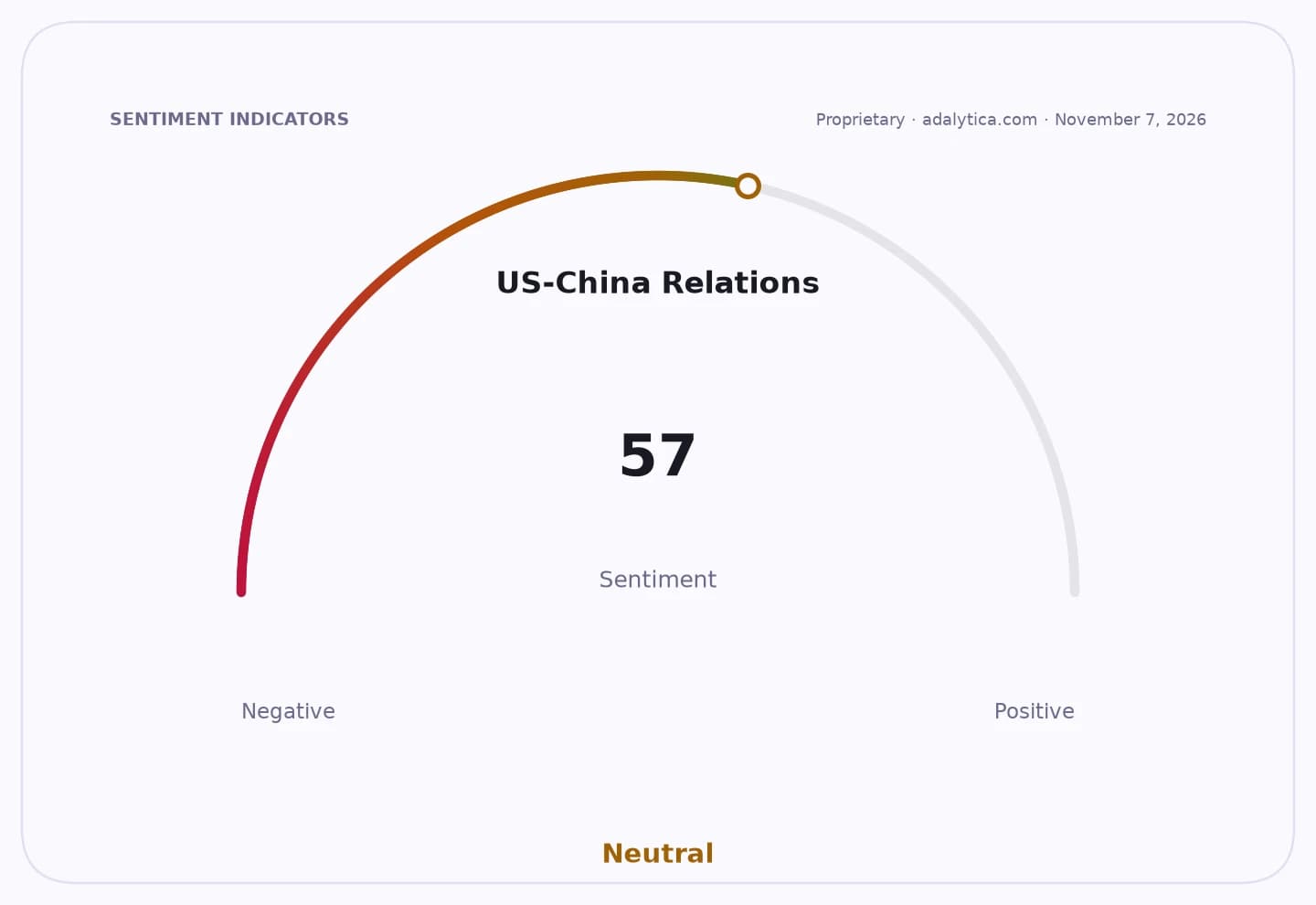
Sentiment Indicators
Geopolitical Risk
The talks covered regional and global issues, as well as closer coordination at bilateral and multilateral forums, according to Pakistan’s government and military statements. That matters economically because China remains one of Pakistan’s most important strategic partners as the country grapples with weak growth, external financing pressure and persistent security risks that can weigh on investment, trade and access to capital.
Deputy Prime Minister and Foreign Minister Ishaq Dar, speaking at a symposium on Xi Jinping’s governance ideas and a China-Pakistan governance seminar, said visionary leadership is essential for national unity, institutional stability and durable development. He described the Pakistan-China partnership as a strong and reliable source of peace and stability for the region and beyond.
For investors, the renewed diplomatic messaging points to continued policy alignment with Beijing and a lower immediate risk of any rupture in the relationship that underpins major infrastructure, financing and defense cooperation. It also signals that Islamabad is likely to keep leaning on China as it seeks room to maneuver amid geopolitical stress and fragile domestic conditions.
Chinese influence over Pakistan’s policy trajectory remains a key watchpoint for markets exposed to South Asian risk, especially around sovereign financing, project execution and cross-border security. Any strengthening in the relationship may help support sentiment toward Pakistan-linked assets, but it also reinforces how dependent the country remains on Chinese support.
The next catalyst is whether the latest high-level contacts translate into concrete commitments on investment, security coordination or project financing, with investors watching for signs that political warmth turns into economic support.
| Entity | Gains | Losses |
|---|---|---|
| Pakistan government | ▲Diplomatic backing | ▼Policy flexibility |
| China | ▲Strategic influence | ▼None immediate |
| Investors in Pakistan assets | ▲Lower near-term rupture risk | ▼Dependence on Beijing |
| Regional rivals | ▲None immediate | ▼Pakistan-China alignment |