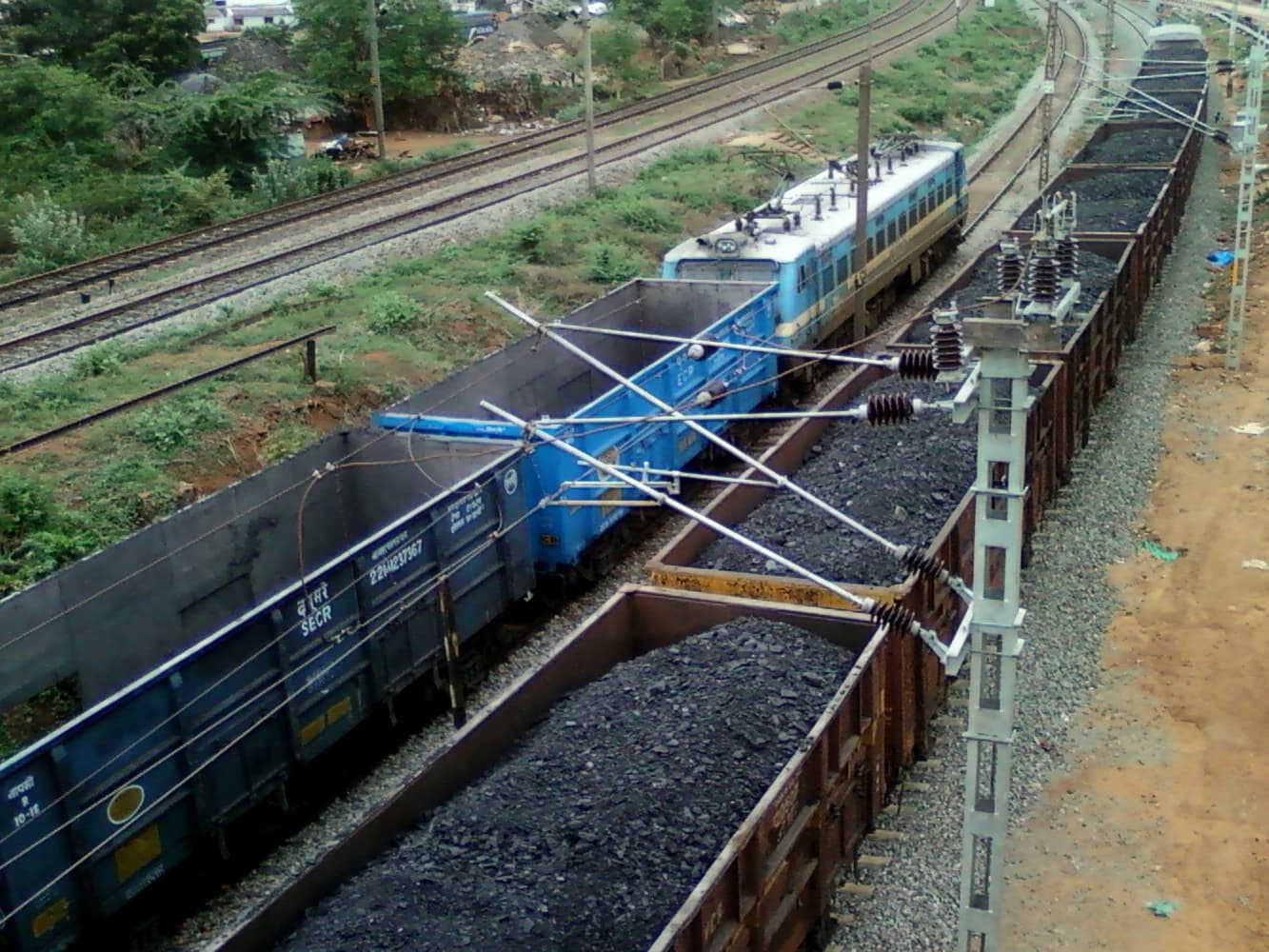
India’s coal-fired power system is under strain just as electricity demand is surging, with 96 plants now holding less than three days of fuel and threatening supply reliability across the world’s third-largest power market.
India coal plants face fuel shortages as demand rises
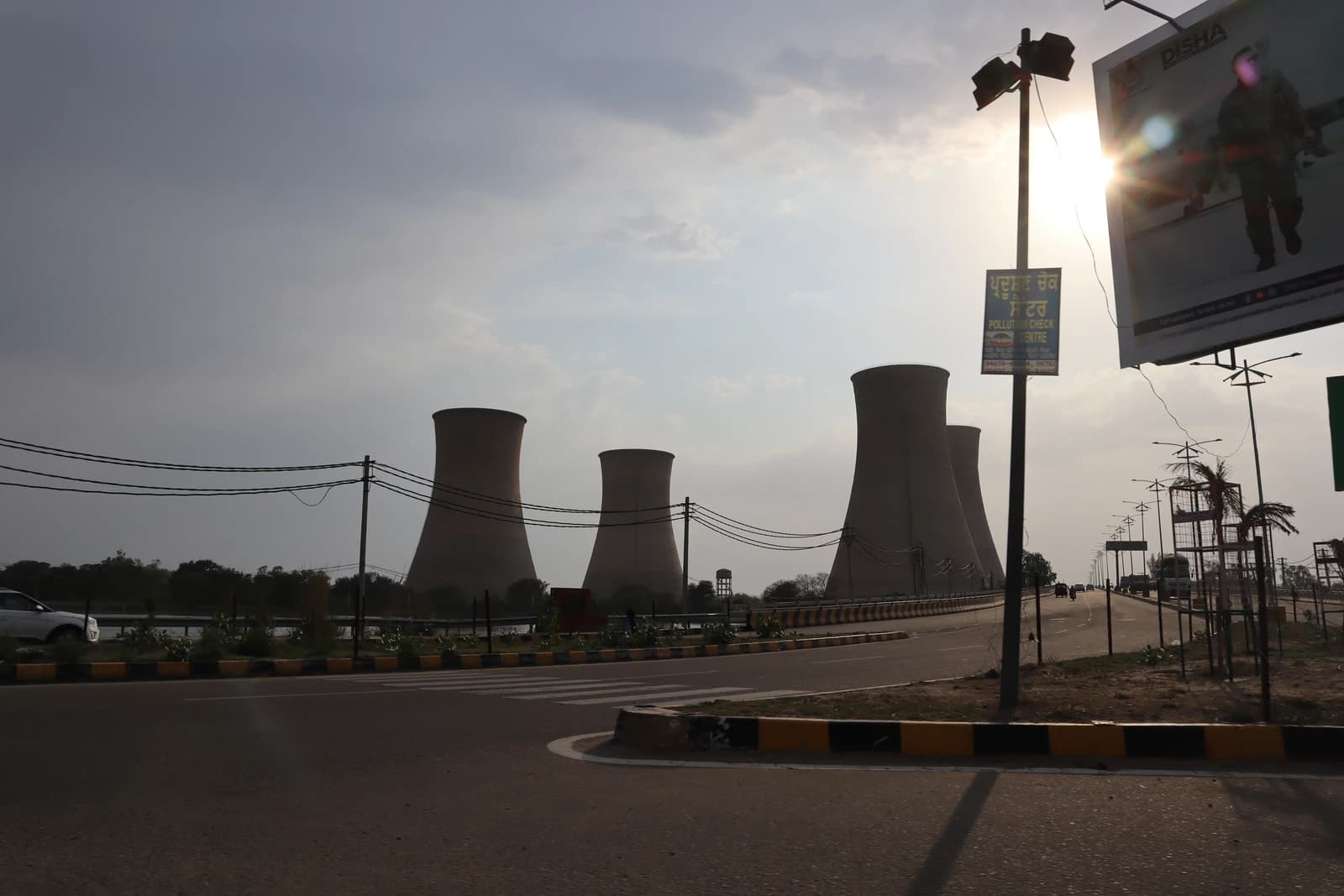
The latest data from the Central Electricity Authority show the number of critically short plants jumped from 60 in mid-September to 96 by Oct. 19, underscoring how quickly a demand spike and weaker-than-usual monsoon rains have tightened the system. Total coal stocks at Indian power plants have fallen about 5% since the start of the month, even after the coal ministry said last week it had increased supplies to generating stations.
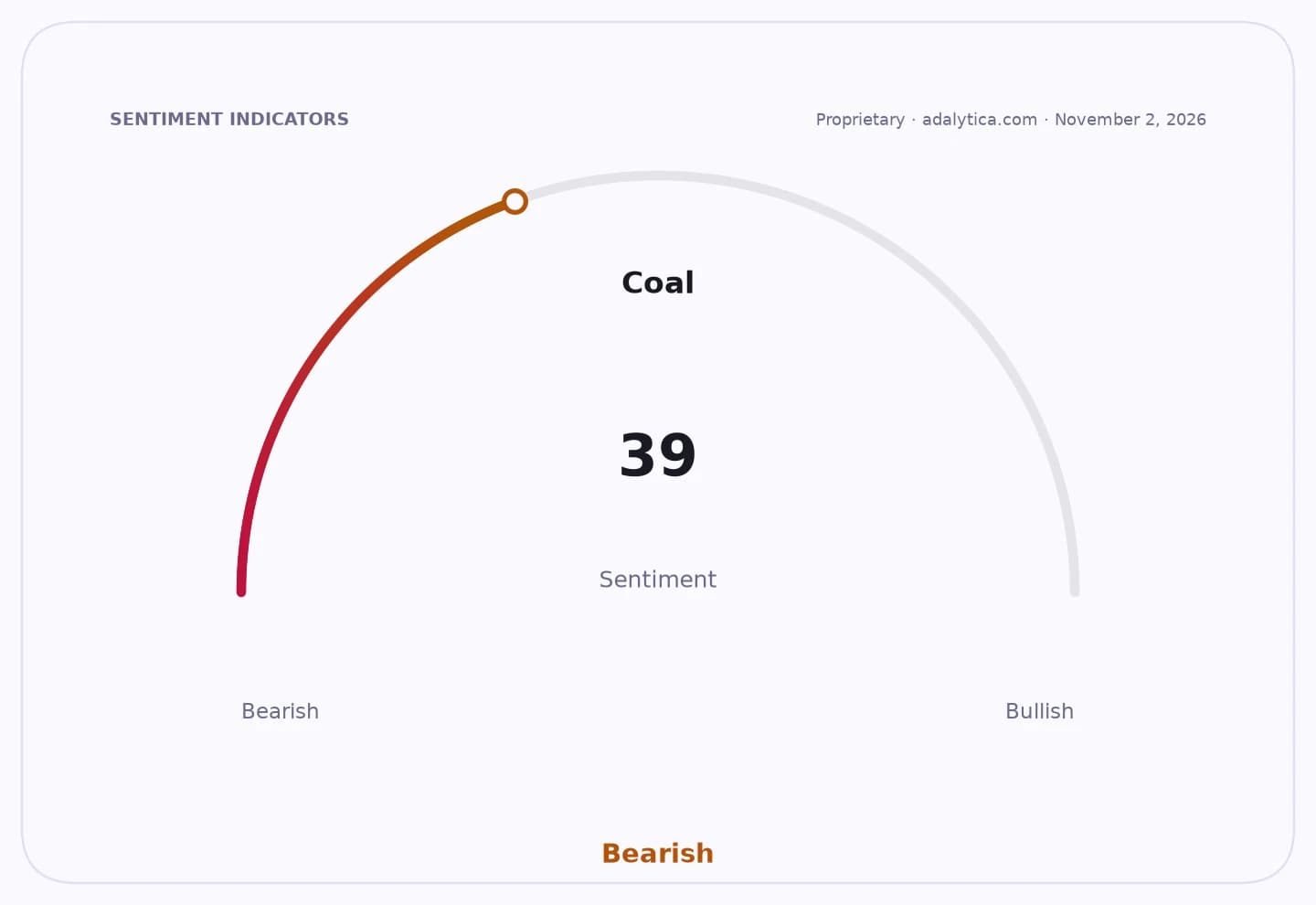
Sentiment Indicators
That matters economically because India is leaning harder on thermal generation to keep factories, offices and households supplied. Peak daily power demand this year has been 45 gigawatts to 50 GW higher than a year earlier, while reduced hydro output has left coal to fill the gap. In September, the shortfall between electricity demand and supply widened to 560 million kilowatt-hours, the highest since August 2023, even as coal-fired output rose 13.3% year on year.
For investors, the squeeze highlights both the resilience and the vulnerability of India’s power and coal industries. Coal producers and utilities may see higher near-term volumes, but the shortage also raises the risk of higher operating costs, more emergency fuel procurement and pressure on plant utilization if inventories do not rebuild. The strain also reinforces the market’s view that renewable additions alone will not displace coal quickly enough without large-scale battery storage, which remains scarce.
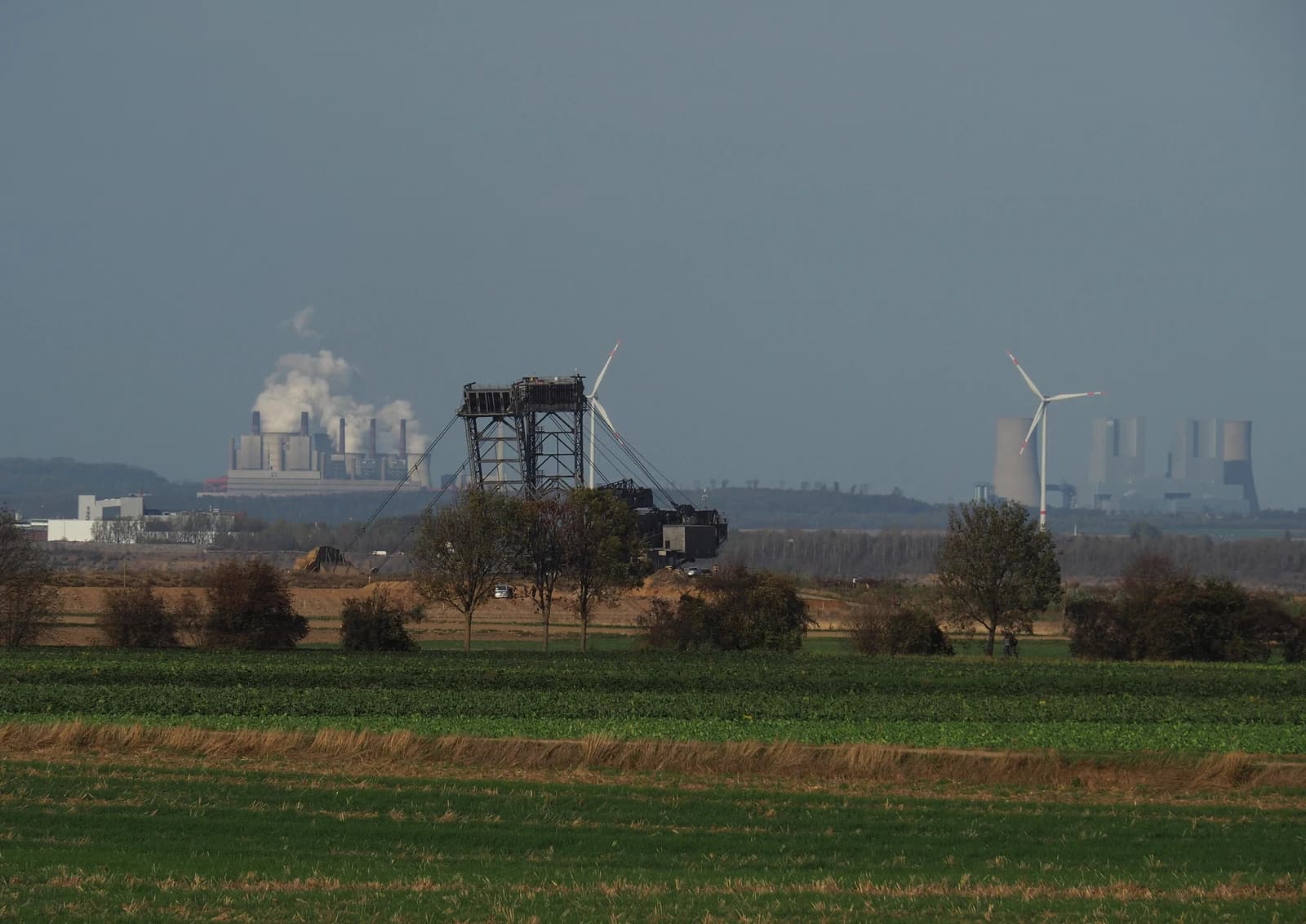
The broader narrative is that India’s energy transition is running into the limits of its grid and storage infrastructure. Renewables now account for nearly 55% of generation from non-fossil sources, but in periods of peak demand the system still depends heavily on coal, especially when hydro output weakens. That makes coal security a macro issue, not just a sector problem: it affects industrial output, power tariffs, import dependence and the government’s ability to balance growth with energy security.
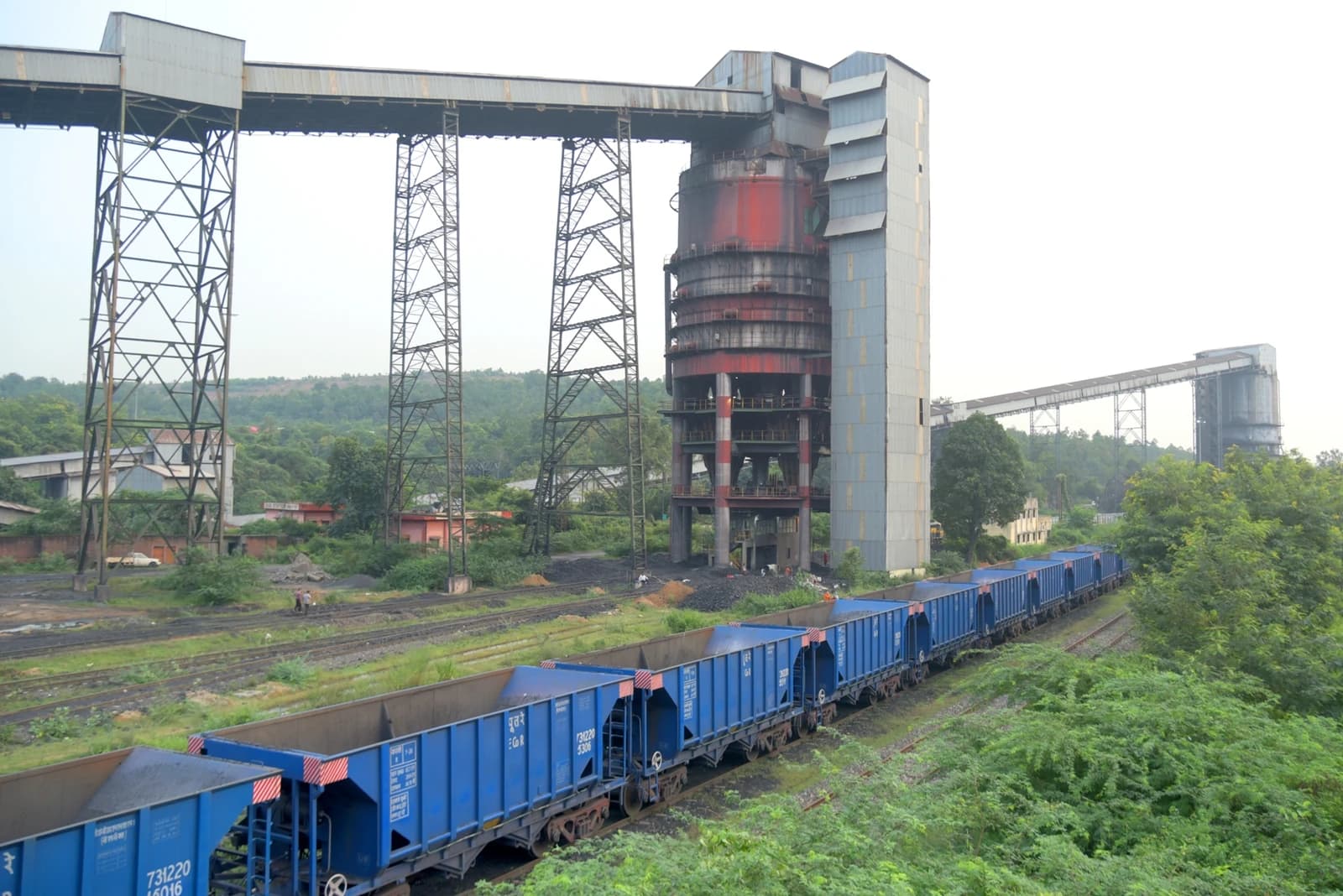
The government’s response is likely to center on lifting domestic coal output and improving logistics rather than relying on imported fuel, a shift that could support local miners and state-linked generators over time. But until storage and grid flexibility improve, India’s power market will remain exposed to weather-driven demand spikes and fuel bottlenecks, keeping coal central to the country’s economic stability.
| Entity | Gains | Losses |
|---|---|---|
| Domestic coal miners | ▲Higher sales volumes | ▼Operational pressure |
| Coal-fired utilities | ▲Near-term dispatch priority | ▼Fuel security risk |
| Renewable developers | ▲Long-term policy support | ▼Slower coal displacement |
| Industrial consumers | ▲Protected power supply | ▼Higher power-cost risk |