India’s power system is heading into a tighter stretch as coal inventories at 50 thermal plants slipped below critical levels, underscoring how monsoon-linked logistics disruptions and firm electricity demand are straining the country’s main source of baseload power.
India Coal Plant Stocks Fall Below Critical Levels

The plants, with combined capacity of about 224 gigawatts, held 28.2 million tonnes of coal on Sept. 2, less than half the 58.7 million tonnes the Central Electricity Authority says they should carry. That is enough for about nine days of generation at an 85% plant load factor, compared with a normal buffer of nearly 19 days.
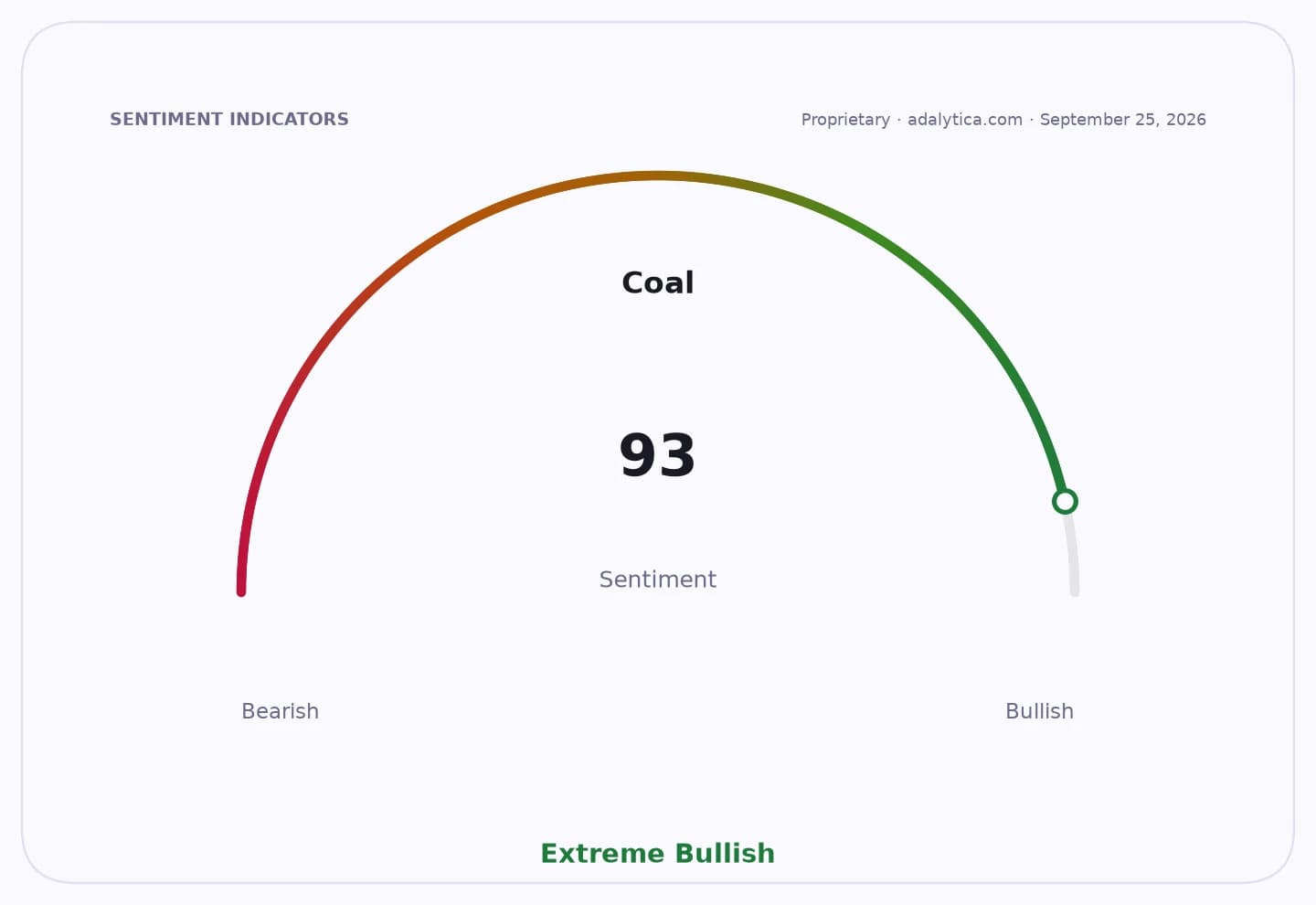
Sentiment IndicatorsⓘProprietary · adalytica.com · September 5, 2026
This is a snapshot — live sentiment, awareness and momentum for 130+ markets update continuously in the dashboard.Open AlphaPulse
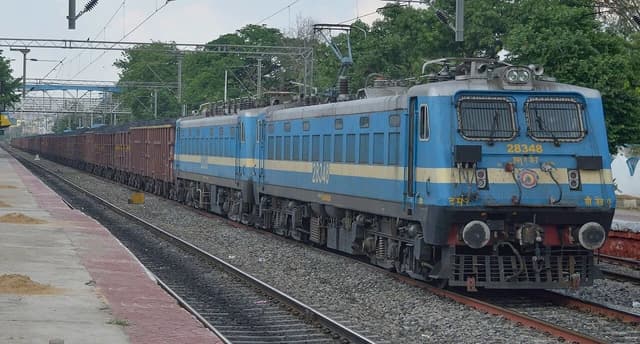
The immediate economic risk is not a nationwide blackout, but a narrower margin for error in a system that still depends heavily on coal to keep industry, households and commercial users supplied during peak demand. When stockpiles fall this low, utilities and plant operators have less flexibility to absorb transport bottlenecks, mine disruptions or maintenance outages. Officials have already advised some coal-fired stations to defer scheduled maintenance, a sign that the system is being managed to preserve output rather than optimize efficiency.
The pressure is concentrated in domestic coal-fired generation. Of the affected plants, 45 burn domestic coal, four are designed for imported coal and one uses washery rejects. That matters because the vulnerability is less about a lack of coal in the ground than the ability to move it fast enough through a network that is regularly constrained during the monsoon by heavy rain, rail congestion and slower logistics. The Coal Ministry said plants are being monitored daily by an inter-ministerial team and that regular fuel supplies are being maintained to avoid a disruption in generation.
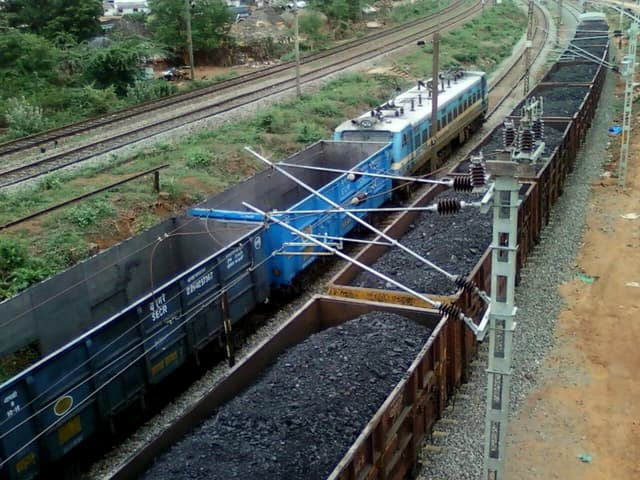
For investors, the story cuts two ways. Coal producers and rail-linked logistics providers can see stronger near-term dispatch and tighter supply conditions, while power generators and industrial users face the risk of higher operating costs if plants run lean or are forced to rely on more expensive alternatives. The tight stock picture also reinforces coal’s remaining role in India’s electricity mix, even as the country expands renewables, because the grid still needs thermal generation when demand is elevated and weather disrupts supply chains.
The backdrop is not a full-blown fuel crisis, but a recurring stress test for India’s energy infrastructure. The CEA’s “critical” designation means closer monitoring, not an immediate shortage, and officials said the situation should improve as rainfall recedes from September. Still, with electricity demand staying firm, any delay in replenishment could keep utilities on edge and support coal demand in the near term.
For markets, the message is that India’s power sector remains highly sensitive to monsoon logistics and inventory swings. If coal flows normalize, the strain should ease. If not, the country may face more localized shortages, pressure on generators and a further reminder that security of supply still trumps efficiency in the short run.
| Entity | Gains | Losses |
|---|---|---|
| Coal India and miners | ▲Higher near-term coal off-take | ▼Pressure to keep supplies flowing |
| Thermal power plants | ▲Government monitoring support | ▼Lower inventory buffers |
| Power consumers and industry | ▲Continued generation prioritized | ▼Higher outage and cost risk |
| Coal logistics and rail operators | ▲Urgent shipment demand | ▼Network congestion pressure |