Commercial LPG prices in India rose at the start of September, lifting costs for hotels, restaurants and other food businesses even as the household cylinder stayed unchanged, underscoring how fuel-price decisions are continuing to squeeze operating margins across parts of the economy.
India commercial LPG prices rise in September
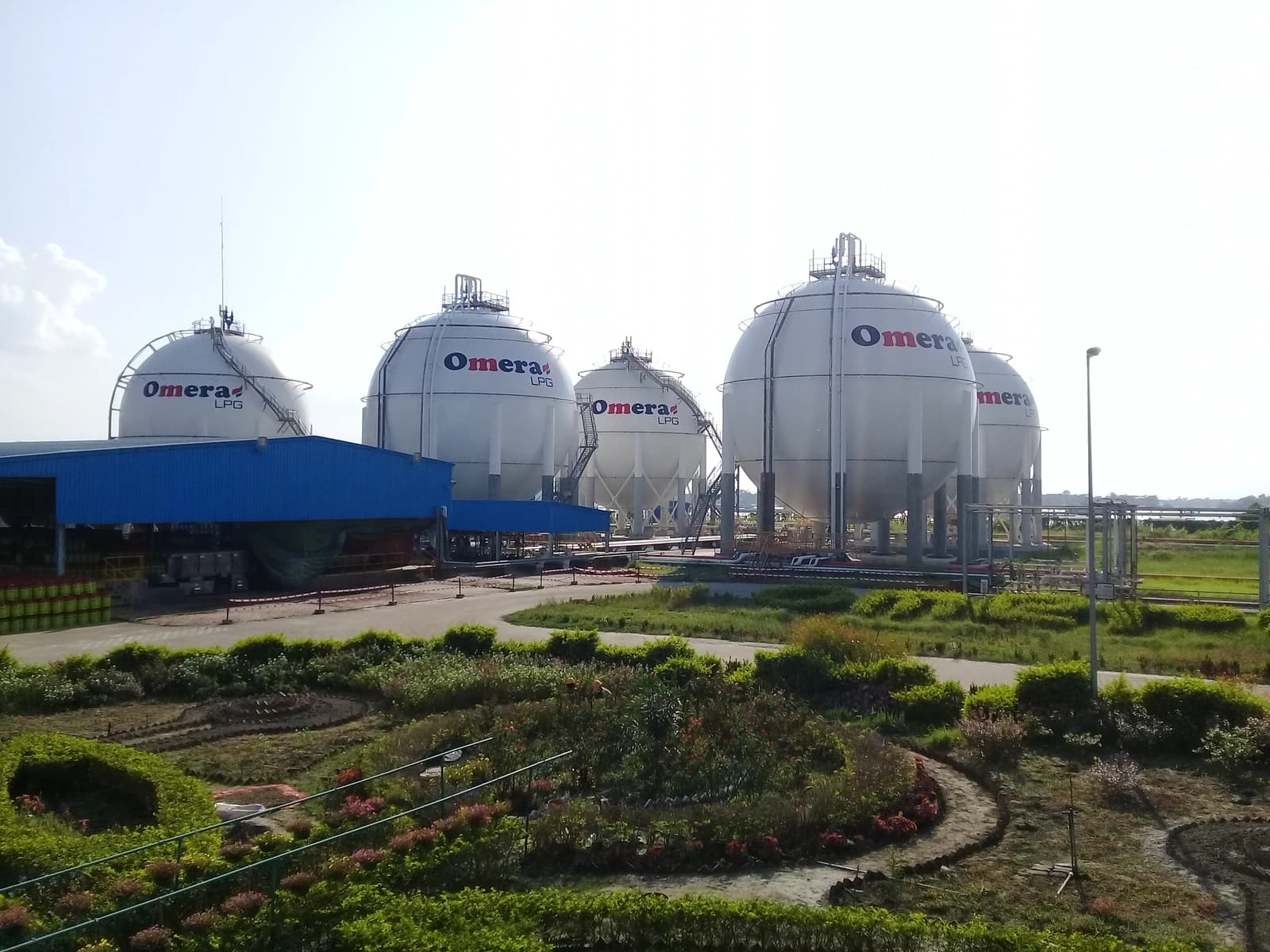
In Delhi, the price of a 19-kilogram commercial LPG cylinder increased by Rs 9.50 from Sept. 1 to Rs 2,747.50, while the standard 14.2-kilogram domestic cylinder remained at Rs 942 on Sept. 8. Similar moves were seen in other major cities, with commercial cylinders priced at Rs 2,701 in Mumbai, Rs 2,982 in Kolkata and Rs 2,916.50 in Chennai. The gap between flat household pricing and higher commercial rates matters because small changes in cooking fuel costs can flow quickly into restaurant bills, catering contracts and broader food-service pricing.
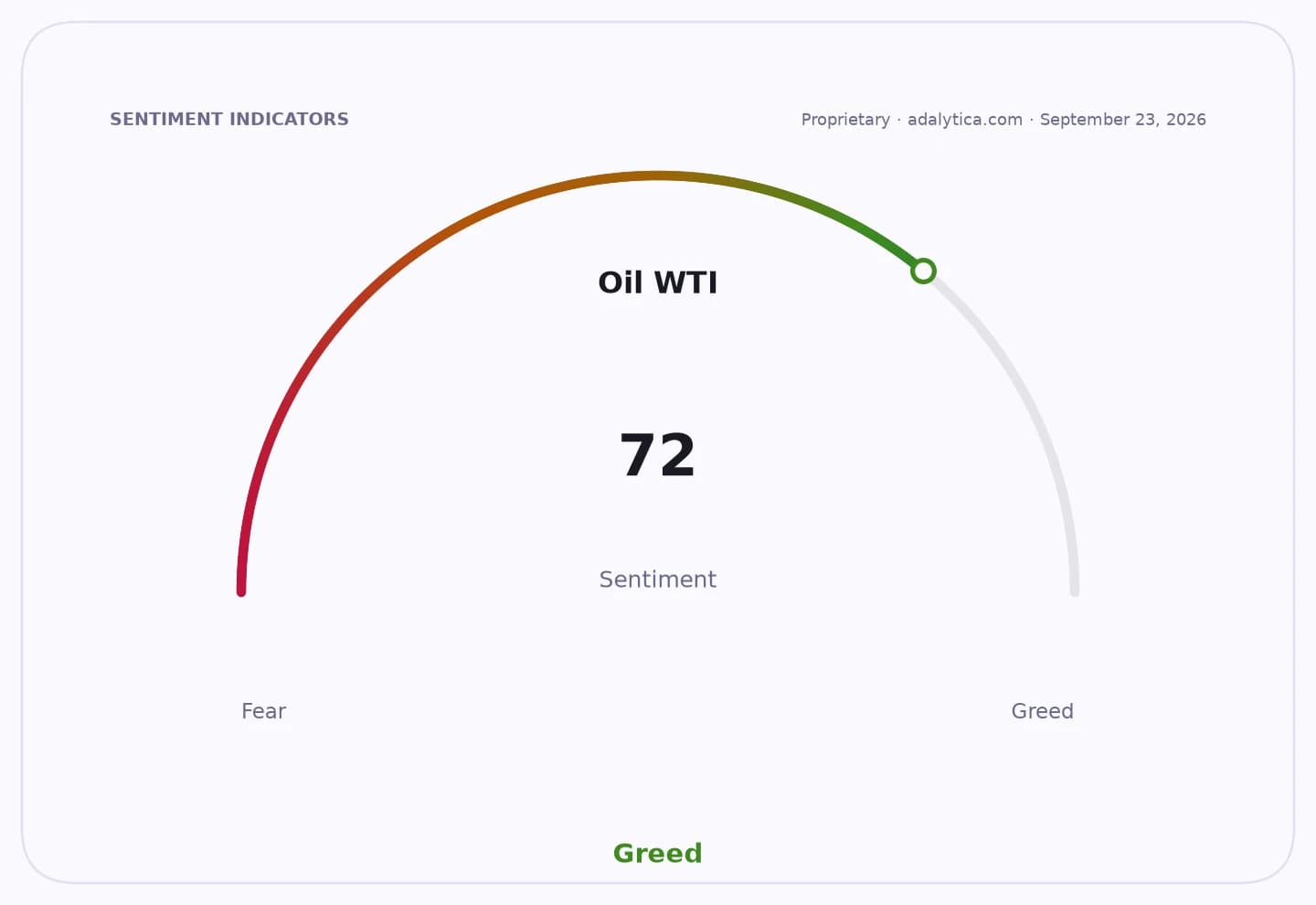
Sentiment IndicatorsⓘProprietary · adalytica.com · September 8, 2026
This is a snapshot — live sentiment, awareness and momentum for 130+ markets update continuously in the dashboard.Open AlphaPulse
For businesses that use LPG in bulk, the increase adds to a cost base already under pressure from volatile energy markets. Hospitality operators typically have limited room to absorb higher input costs, particularly in a market where demand is price-sensitive and competition is intense. The latest revision may not be large in isolation, but it adds to the cumulative inflation in utilities and transport that can erode margins, especially for smaller establishments with weaker bargaining power.
The move also comes against a backdrop of firmer global fuel prices, which has kept domestic energy pricing under scrutiny. Changes in one fuel category often feed into expectations for others, including diesel and aviation fuel, and investors watch such adjustments for their second-order effects on inflation and consumption. Higher commercial LPG costs can raise service-sector operating expenses, which in turn may pressure earnings at listed hotel chains, food retailers and catering businesses if they are unable to pass through the increase.
At the same time, the unchanged domestic cylinder price offers relief to households and helps contain the direct impact on consumer inflation. That split is economically important: policymakers are trying to balance affordability for households with market-linked pricing for business users, but the burden is increasingly landing on commercial consumers. The government’s separate decision to shorten the minimum interval for rural cylinder bookings to 25 days from 45 days suggests supply conditions have improved, reducing the risk of shortages even as price adjustments continue.
For investors, the key question is whether higher commercial fuel costs become a broader margin headwind for consumer-facing sectors or remain a manageable, one-off adjustment. The near-term winners are LPG distributors and upstream energy-linked firms benefiting from firmer pricing, while the losers are hotels, restaurants and other small businesses that depend on cooking fuel and have the least pricing power.
| Entity | Gains | Losses |
|---|---|---|
| LPG distributors | ▲Higher commercial realizations | ▼Customer pushback |
| Hotels and restaurants | ▲Nothing material | ▼Higher operating costs |
| Households | ▲Stable cylinder price | ▼Indirect inflation risk |
| Food-service operators | ▲Better supply availability | ▼Margin pressure |