Higher cooking-gas prices are pushing Abuja households away from cleaner fuels and back toward firewood, kerosene and other traditional alternatives, a shift that matters well beyond the capital because it signals how quickly inflation is reshaping consumer behaviour in Africa’s largest economy.
Nigeria LPG Prices Push Abuja Households to Firewood

The economic effect is immediate: when a staple utility becomes unaffordable, households do not simply cut discretionary spending, they switch fuels, trim meal frequency or absorb the shock through already strained budgets. That makes cooking gas a direct transmission channel from wholesale energy costs into food inflation, household welfare and, ultimately, poverty levels.
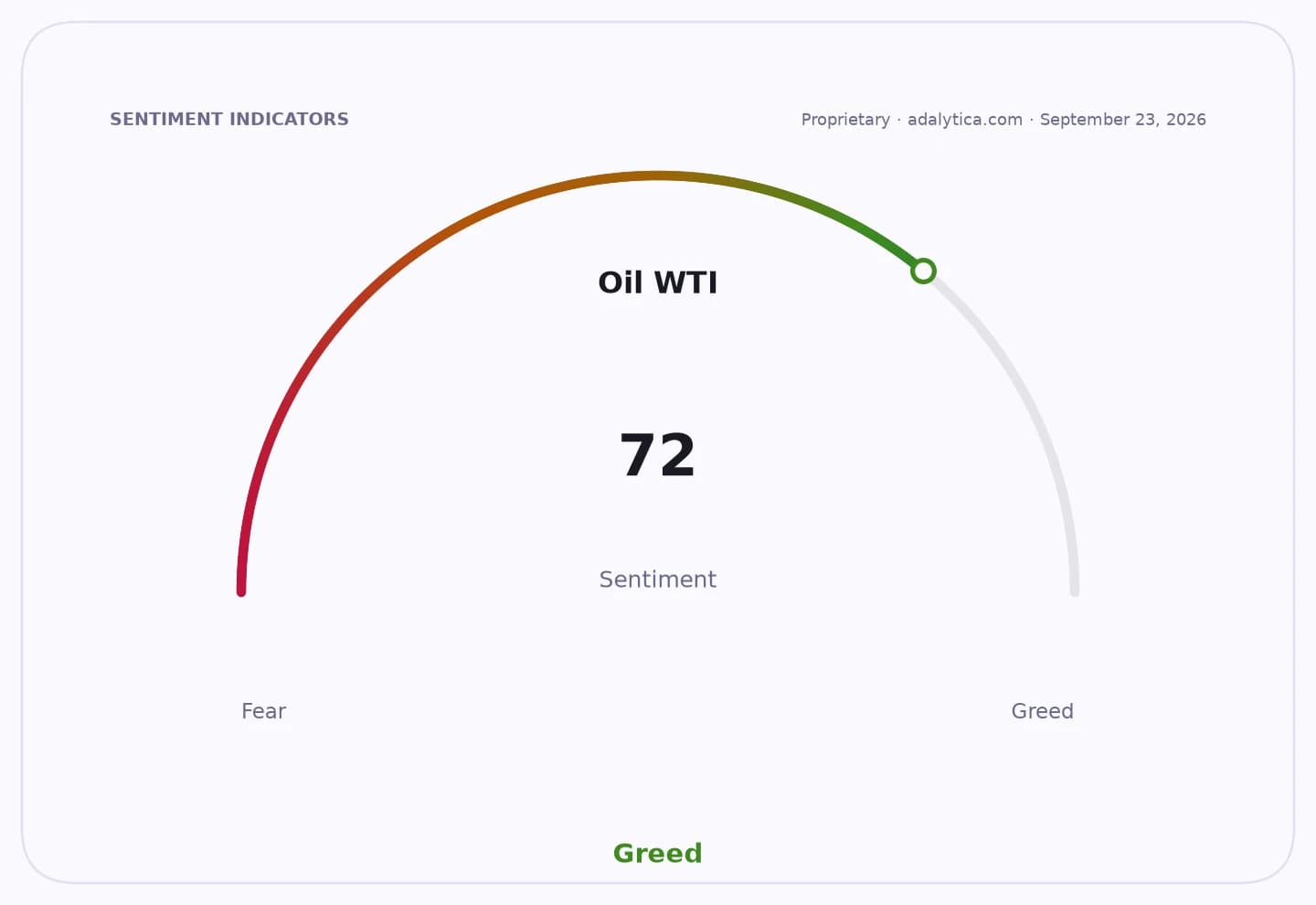
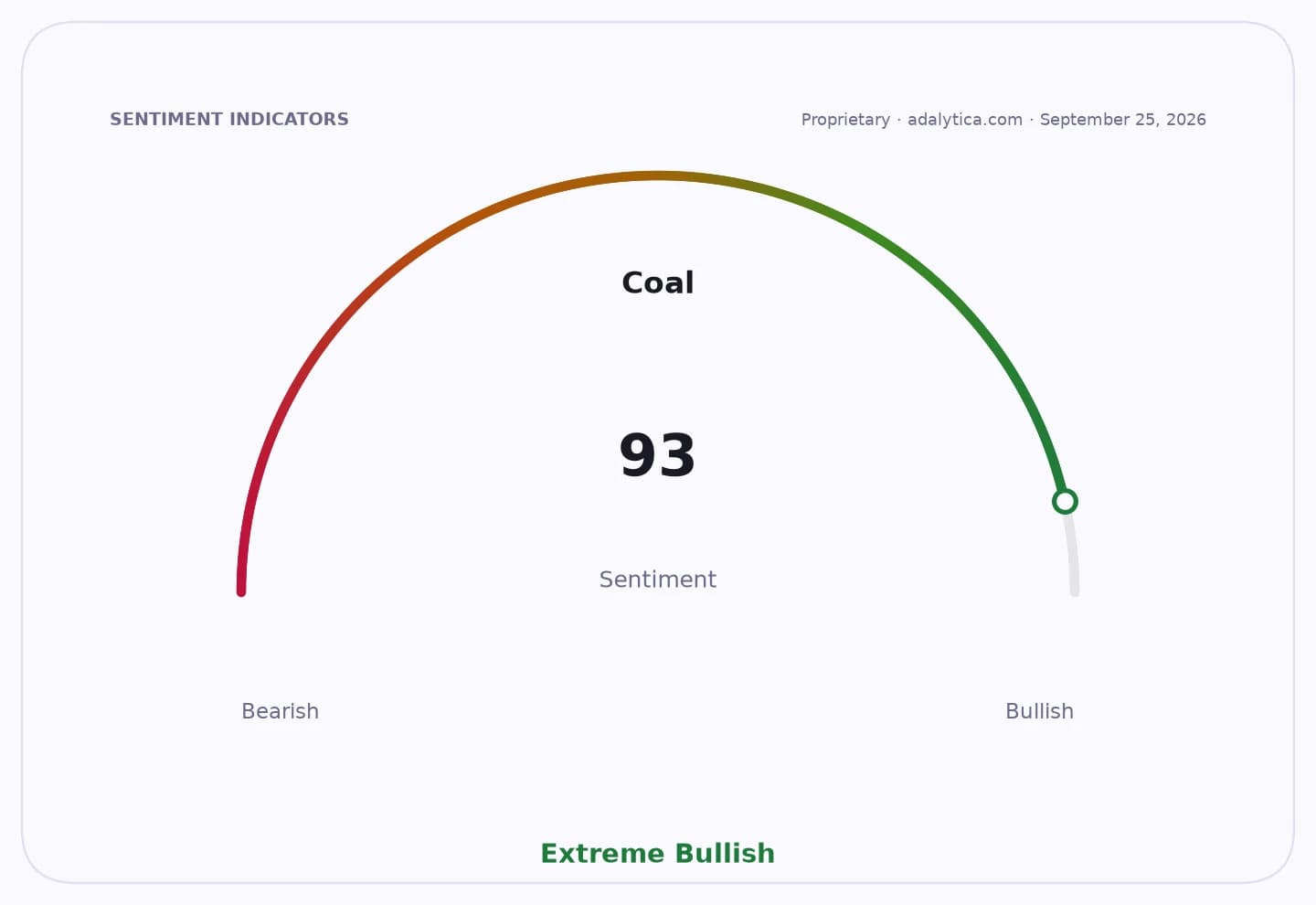
Sentiment IndicatorsⓘProprietary · adalytica.com · September 6, 2026
This is a snapshot — live sentiment, awareness and momentum for 130+ markets update continuously in the dashboard.Open AlphaPulse
Global gas markets have been firmer, and the move has fed through to local pricing even as domestic demand remains resilient. The broader energy backdrop is also tight. US oil benchmark USO has climbed sharply from around $112 in early July to about $142, while the energy sector ETF XLE has risen to roughly $64 from the high-$50s in late summer. Those moves underline a firmer hydrocarbon complex that can keep imported fuel costs elevated for consumers even when local currencies are not the only pressure point.
In Nigeria, that matters because LPG is supposed to be the cleaner bridge away from biomass and kerosene. When prices rise too fast, the bridge breaks. The result is economically regressive: poorer households spend a larger share of income on energy, while the country’s ambition to expand cleaner household fuel use is slowed by affordability rather than availability.
For investors, the story is less about the day-to-day retail price in Abuja than about what it reveals. Persistent fuel inflation supports a cautious stance on Nigerian consumer spending, especially among companies exposed to low-income demand. It can also reinforce inflation pressure, complicating monetary policy and keeping real incomes under strain. Any listed gas distributor or downstream energy player may benefit from nominal revenue growth, but margin gains can be offset if higher prices curb volumes or trigger public backlash and tighter regulation.
The bull case for the gas market is that structurally higher demand and pricing discipline could improve returns for supply-chain players and support investment in storage and distribution. The bear case is that affordability ceilings will cap adoption, deepen energy poverty and keep consumers stuck with lower-quality fuels. What investors should watch next is whether local LPG prices stabilize long enough to restore household usage, or whether Abuja’s switch back to traditional fuels becomes a broader national pattern.
| Entity | Gains | Losses |
|---|---|---|
| LPG distributors | ▲Higher nominal prices | ▼Lower household volumes |
| Low-income households | ▲Short-term fuel substitution | ▼Higher energy burden |
| Kerosene/firewood sellers | ▲Stronger demand | ▼Cleaner-fuel adoption |
| Nigerian consumer companies | ▲N/A | ▼Weaker spending power |