India’s corporate bond market has reached about ₹61 lakh crore in outstanding debt, but regulators are now trying to turn that size into something more useful for borrowers and investors: a market with easier trading, clearer pricing and broader participation.
India corporate bond market reforms by SEBI
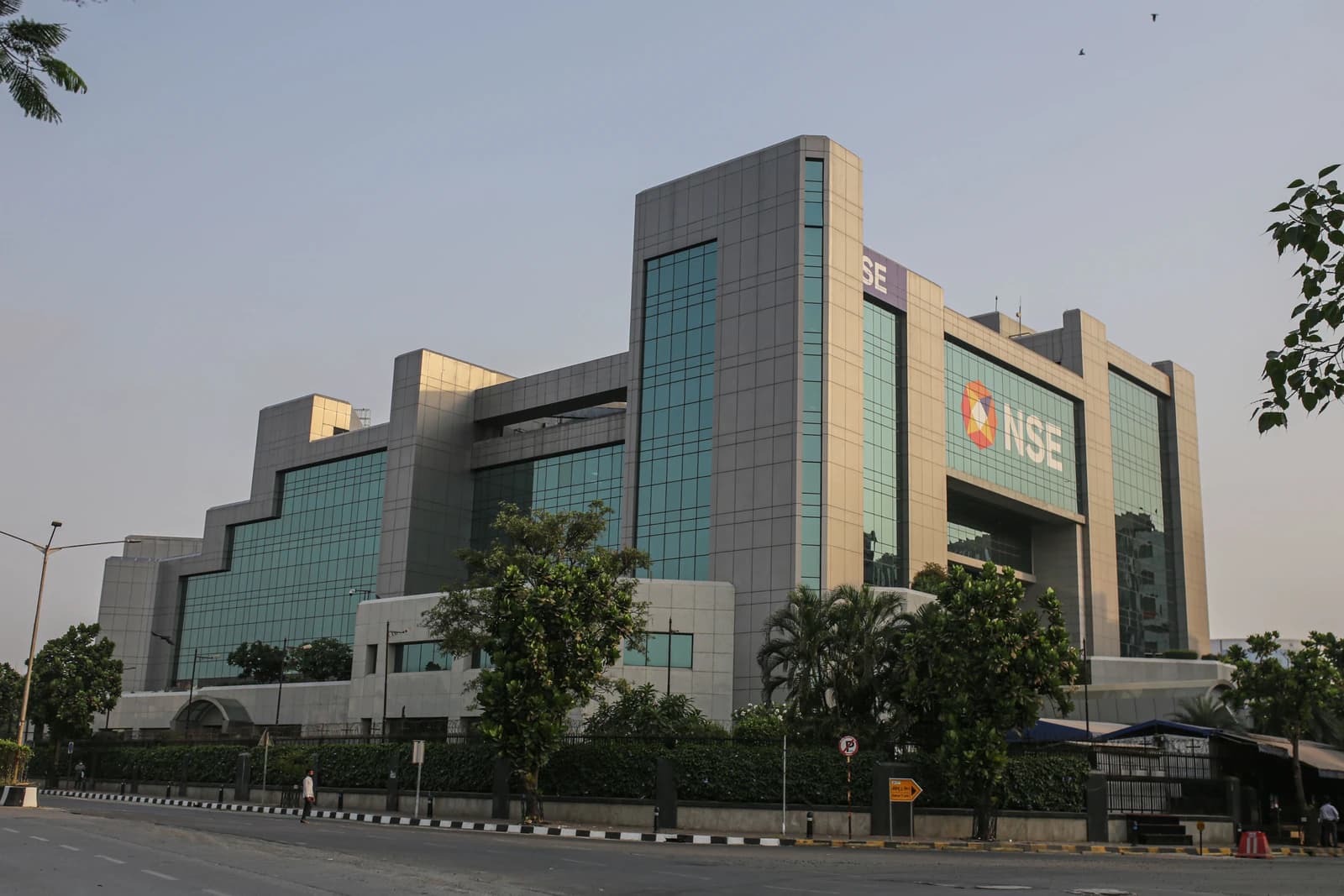
That is the economic significance of SEBI chairman Tuhin Kanta Pandey’s latest remarks. The market has tripled from roughly ₹20 lakh crore in FY2015-16, and more than ₹4.3 lakh crore has already been raised through corporate bonds in FY2026-27. Yet the regulator is signaling that issuance volumes alone are no longer the goal. The real task is building the plumbing that lets companies fund themselves beyond banks and lets investors move in and out without being trapped in illiquid paper.
Sentiment IndicatorsⓘProprietary · adalytica.com · September 27, 2026
This is a snapshot — live sentiment, awareness and momentum for 130+ markets update continuously in the dashboard.Open AlphaPulse
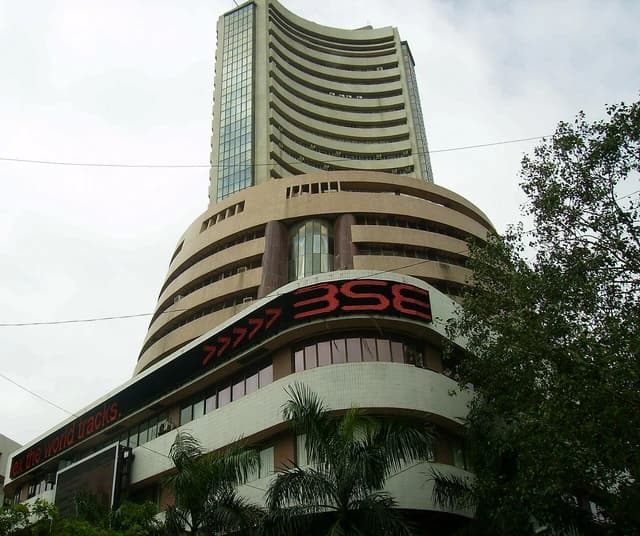
For India, that matters because a deeper corporate bond market can ease pressure on the banking system and widen the sources of credit for infrastructure, manufacturing and financial companies. It also matters for policy transmission: when debt markets are liquid and prices are transparent, yields reflect risk more efficiently and firms can finance themselves at spreads that better match credit quality. In a market where secondary turnover has often lagged primary issuance, the gap between headline growth and investable depth has long been one of India’s biggest fixed-income shortcomings.
Pandey said SEBI’s approach is to “develop the entire market ecosystem,” not simply chase issuance. That includes reforms across issuance, distribution, market infrastructure and investor education. The regulator has launched Demat 2.0, a pilot for tokenisation of corporate bonds on a private distributed-ledger network run by depositories, and is working on a broader market-making framework that would cover liquidity, repo access and infrastructure. It is also consulting on Fixed Income Channel Partners to widen distribution through regulated online bond platforms, and on a Credit Risk-o-Meter to make credit risk easier for retail investors to understand.

The policy direction is clear: widen access, but not at the expense of understanding. That balance will be central if India wants domestic savings to flow more confidently into credit markets rather than remain concentrated in bank deposits, government securities or equities. The regulator’s push also fits a broader financial-market buildout in India, where equity market capitalisation is around $5 trillion and more than ₹100 trillion has been raised through equity and debt over the past decade.
Investors will watch whether these reforms translate into tighter bid-ask spreads, more frequent secondary trades and a broader set of issuers able to tap the market without paying an illiquidity premium. The bull case is that improved market-making and tokenisation lower friction, attract pension and insurance money, and gradually create a more reliable yield curve for corporate risk. The bear case is that India still needs more than technology and consultation: without deeper institutional participation, simpler documentation and stronger default recovery mechanisms, the market could remain dominated by buy-and-hold investors and large, frequent issuers.
The backdrop is also supportive. US Treasury yields have remained elevated and credit markets globally are still sensitive to swings in inflation and risk appetite, making domestic funding channels more valuable for Indian borrowers. If SEBI can convert the corporate bond market’s rapid growth into liquidity and price discovery, it would strengthen India’s financing mix and reduce dependence on bank lending at a time when capital demand remains broad-based.
| Entity | Gains | Losses |
|---|---|---|
| SEBI | ▲Regulatory credibility | ▼If reforms stall |
| Indian corporates | ▲Wider funding access | ▼Reliance on banks |
| Bond investors | ▲Better liquidity, pricing | ▼Illiquid legacy holdings |
| Banks | ▲Less borrower concentration risk | ▼Share of corporate lending |