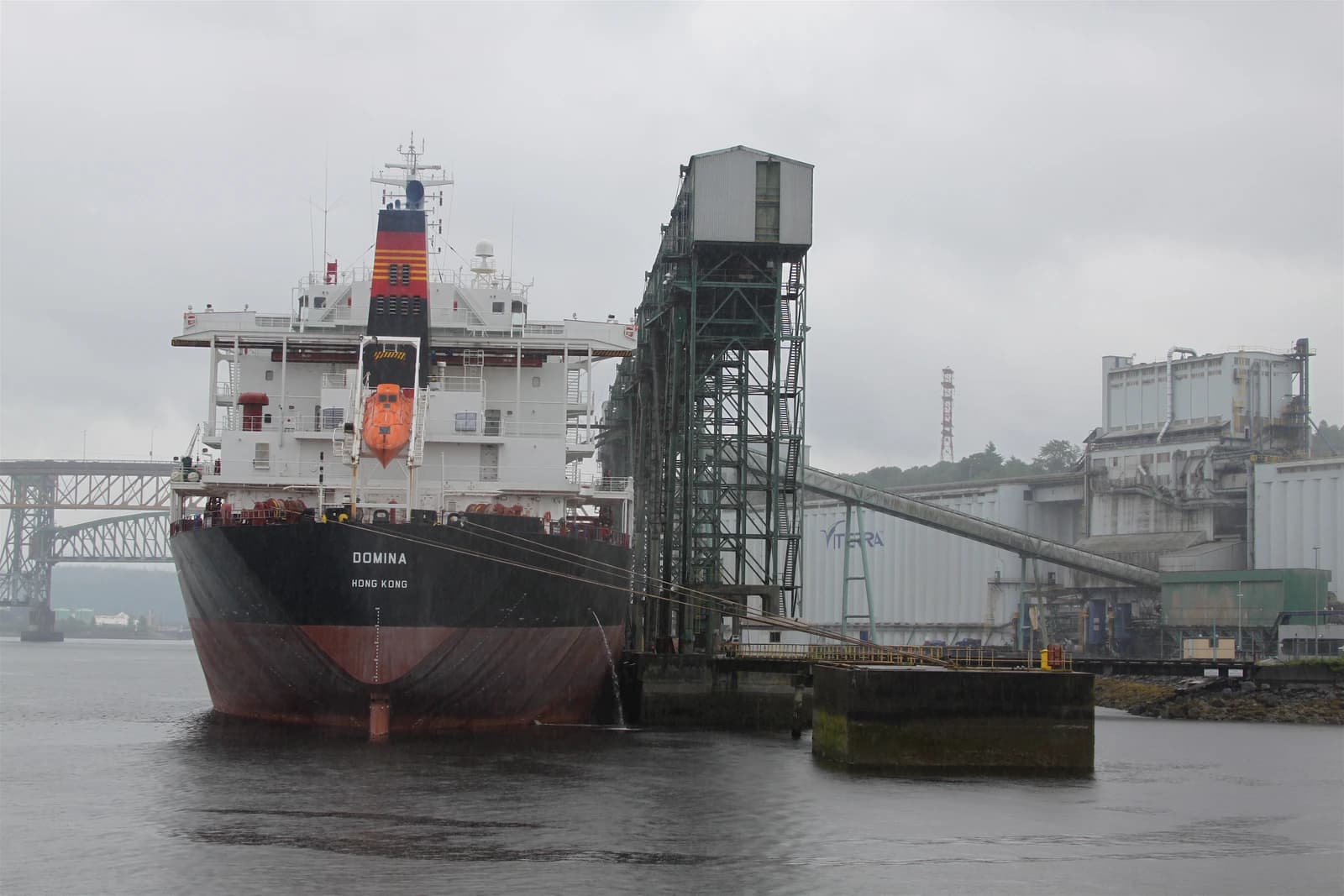
India is holding about 1,500 metric tons of soybeans at a Mumbai port after customs officials questioned whether cargoes declared as coming from Niger were actually shipped from Nigeria, a move that could force importers to pay duties, reroute the cargoes or abandon the shipments.
India Customs Detains Soybeans at Mumbai Port
The detentions matter because India’s duty-free access for imports from least-developed countries can materially change economics in a trade already shaped by thin margins and volatile global oilseed flows. If officials conclude the Niger paperwork was used to mask Nigerian origin, the shipments would lose tariff-free status and importers could face a sudden bill that erodes profits on cargoes already on the water.
Sentiment IndicatorsⓘProprietary · adalytica.com · October 11, 2026
This is a snapshot — live sentiment, awareness and momentum for 130+ markets update continuously in the dashboard.Open AlphaPulse
Sources said the cargoes, equal to about 60 containers, are stranded at Jawaharlal Nehru Port near Mumbai. Customs has also stepped up scrutiny after issuing an internal alert last week and last month sent notices to dozens of importers asking them to prove the soybeans were produced in Niger.
So far, none of the importers had submitted the required documentation, according to one customs source. Authorities are also examining cases in which amended bills of lading were filed after vessels had departed and shipping papers did not cover the full route from Niger through Nigeria to India.
For traders and processors, the immediate risk is cash flow and compliance cost rather than spoilage. Soybeans can remain in containers for a couple of weeks without major quality loss, giving importers time to either absorb duties and clear the goods or divert them elsewhere.
The episode highlights a wider tension in agricultural trade: buyers seek lower-cost origins and tariff advantages, while customs officials push to police documentation more aggressively. That raises the stakes for grain merchants, shipping lines and processors that depend on cross-border arbitrage and clean paperwork to move cargo efficiently.
Investor relevance is clearest for global oilseed traders, import-dependent processors and listed agribusinesses exposed to trade disruption. Tighter enforcement in India could reshape sourcing patterns and margins if more cargoes are challenged, especially in a market where soybean flows are already sensitive to tariffs, freight and origin verification.
| Entity | Gains | Losses |
|---|---|---|
| Indian customs | ▲Stronger enforcement leverage | ▼Administrative burden |
| Compliant importers | ▲Cleaner tariff regime | ▼Less duty-free arbitrage |
| Soybean processors | ▲More certainty on origin | ▼Delayed cargo access |
| Traders using Niger route | ▲None | ▼Tariff risk and shipment holds |