Nigeria is preparing a new programme to tackle the country’s costly reliance on imported wheat, a move that could ease pressure on millers, bakeries and food makers but also highlights how exposed Africa’s biggest economy remains to global grain and foreign-exchange swings.
Nigeria launches Project WHEAT-NESS to cut wheat imports
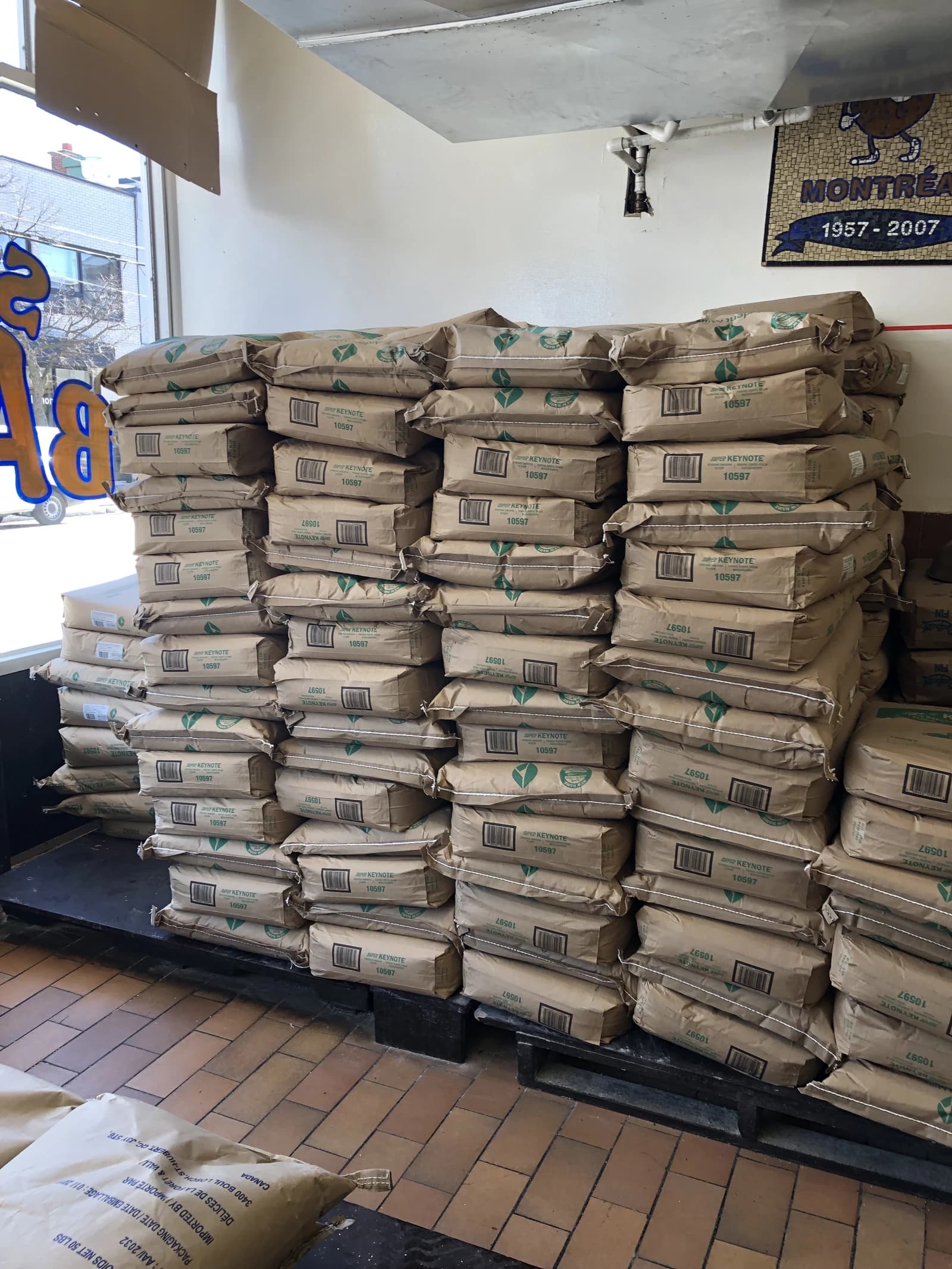
The Federal Government’s Project WHEAT-NESS is aimed at lowering production costs, improving financing and strengthening local value chains across the wheat-based consumer foods industry, according to the Ministry of Industry, Trade and Investment. Nigeria consumes and imports an estimated six million to seven million metric tonnes of wheat a year, leaving the sector vulnerable to international price moves, supply-chain bottlenecks and naira volatility.
That dependence matters because wheat feeds directly into staple goods such as bread, noodles and flour-based foods, making the sector a transmission channel for inflation. Any structural reduction in import reliance would help manufacturers manage margins and could support more stable consumer prices, even if the government has yet to set measurable targets for domestic output, import substitution or cost reductions.
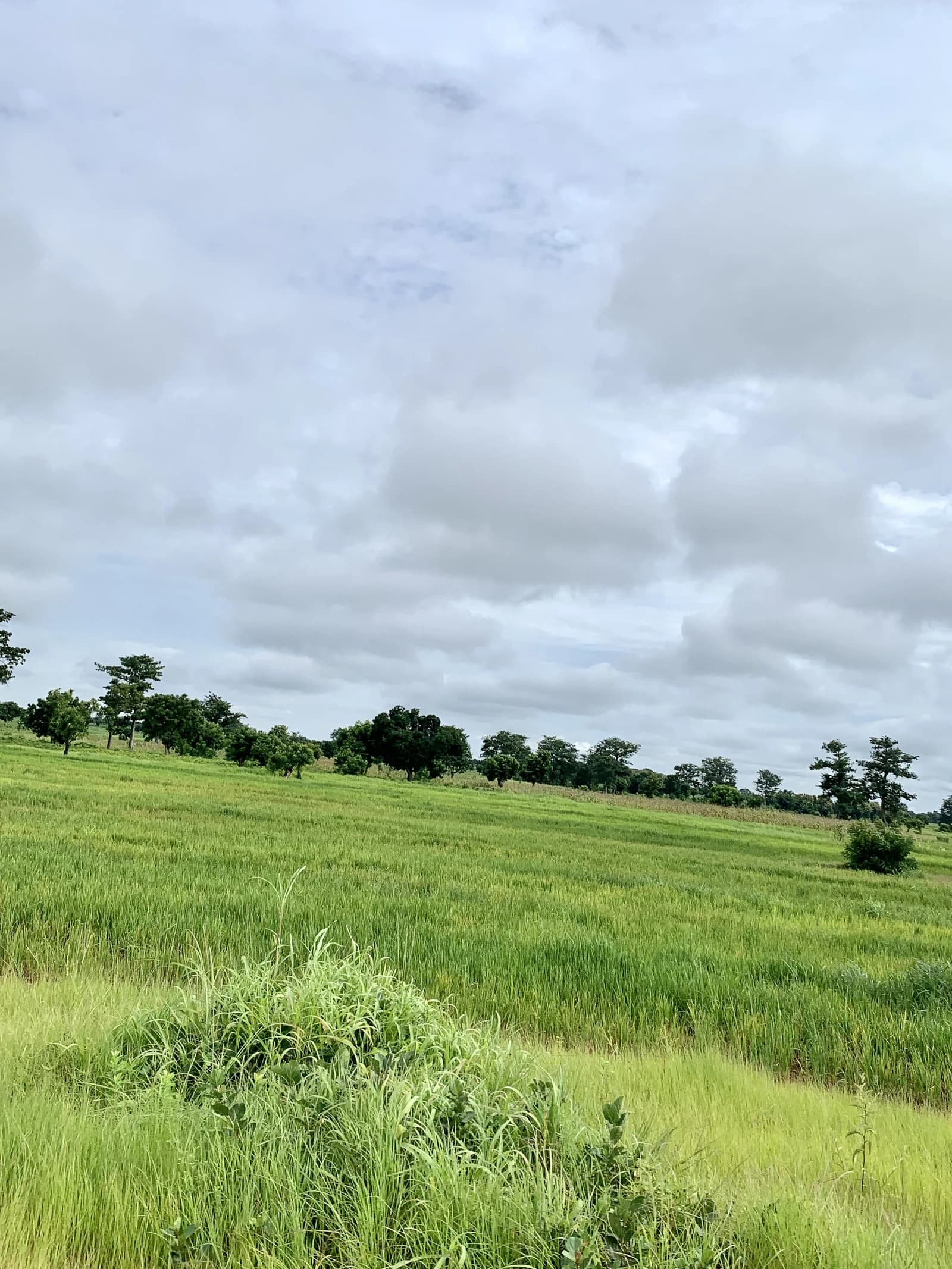
The initiative will bring together government officials, private operators, banks, researchers and development partners in Abuja and is designed to cover the full chain from farm inputs and aggregation to milling, processing, logistics and retail. It will operate through four intervention areas: value-chain development, enterprise support, a Made-in-Nigeria marketing push and a proposed Wheat-Based Consumer Foods Value Chain Development Fund.
For investors, the plan is more important for what it may unlock than for what it has already delivered. The ministry has not yet detailed funding size, timelines or enforcement mechanisms, leaving execution risk high, but even preliminary reforms could benefit local millers, bakers and input suppliers if they improve access to capital, raise productivity and support domestic sourcing. Importers and businesses tied to external wheat supply would be the most exposed if the government succeeds in shifting demand toward local alternatives.
The programme comes as food manufacturers across Nigeria face persistently high operating costs, with imported raw materials and logistics expenses squeezing margins. The next test will be whether the government can turn the diagnostic work into concrete incentives and financing structures that reduce import dependence rather than simply cataloguing the problem.
| Entity | Gains | Losses |
|---|---|---|
| Nigerian millers and bakers | ▲Lower input and financing pressure | ▼Less room if import margins shrink |
| Local wheat farmers and suppliers | ▲New demand and investment | ▼Need faster productivity gains |
| Importers and foreign wheat sellers | ▲Stable near-term volumes | ▼Potentially lower long-term demand |
| Consumers and food manufacturers | ▲Better affordability and margin relief | ▼Near-term policy uncertainty |