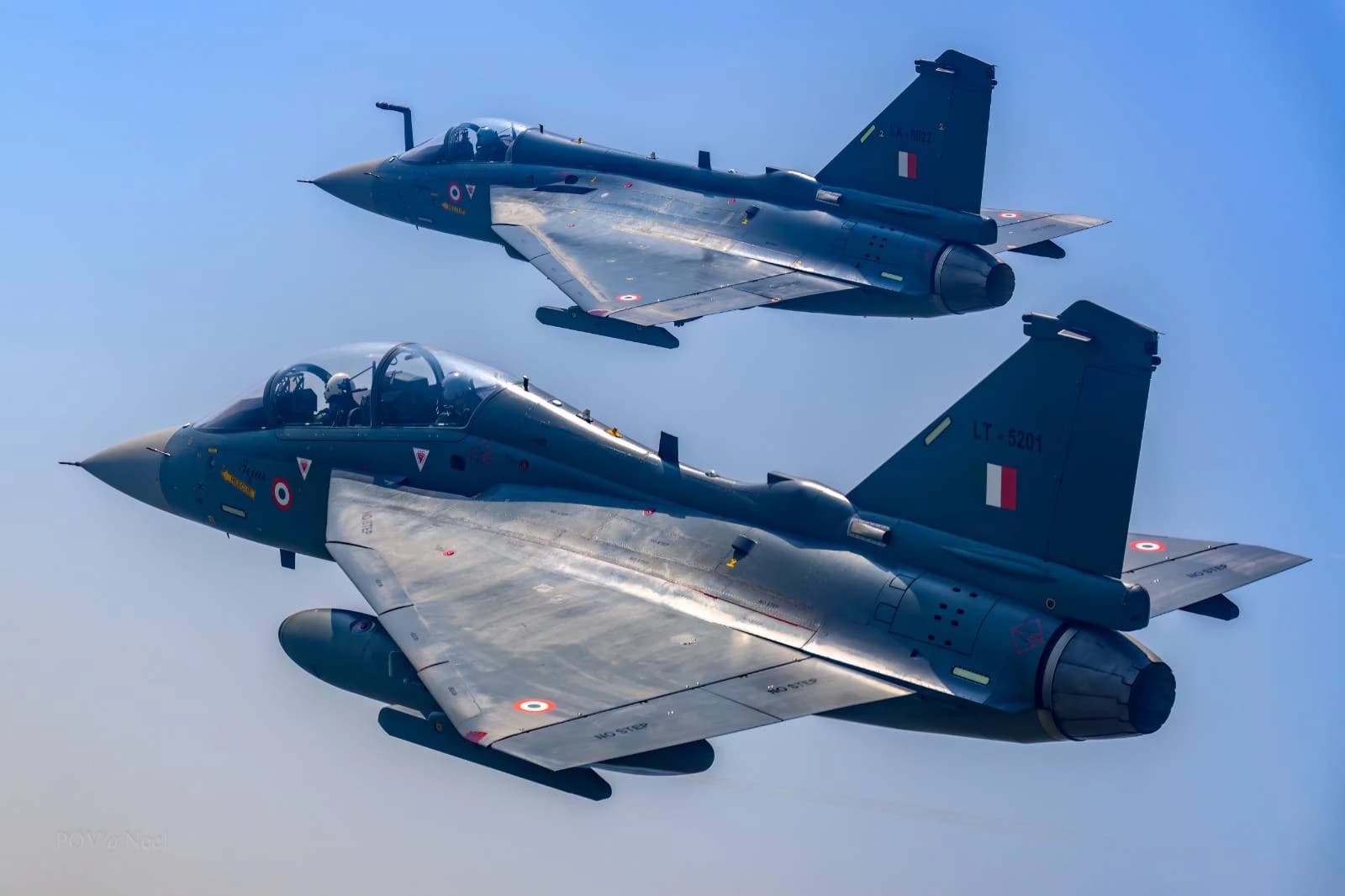
India has spent years building a larger, more sophisticated arsenal; the harder task now is turning that hardware into a fast, connected fighting system that can survive the speed of modern war.
India defense network buildout and contractor outlook
That shift matters because the next conflict on India’s borders is unlikely to be decided by platform count alone. It will be decided by whether missiles, drones, aircraft, ships, sensors and command centres can share information quickly enough to hit first, absorb strikes and keep operating. For investors, that turns the story from one of simple rearmament into a much bigger market for integration, communications, electronic warfare, software and command-and-control systems.
Sentiment IndicatorsⓘProprietary · adalytica.com · September 30, 2026
This is a snapshot — live sentiment, awareness and momentum for 130+ markets update continuously in the dashboard.Open AlphaPulse
The urgency is rising as hybrid warfare becomes a more immediate threat. Western intelligence warnings about Russian preparation for operations across the Mediterranean, along with European concern over sabotage and infrastructure attacks, underscore how future conflicts are likely to blend cyber, electronic, drone and kinetic strikes. India faces its own version of that challenge across land and sea borders, where China and Pakistan both have reason to contest communications, logistics and targeting rather than just front-line positions.
India’s defense-industry buildout shows why the network question is now central. The country’s industrial production has advanced only gradually in recent years, with the defense base still far from the scale needed to support a truly integrated warfighting architecture. That leaves New Delhi dependent on a mix of imported systems, domestic manufacturers and foreign technology partners to stitch together the battlefield picture.
The market backdrop reflects that same theme. Lockheed Martin, Northrop Grumman and RTX have all seen volatile trading as investors weigh higher defense spending against execution risk and valuation. Northrop’s shares have fallen back to about $186.94 from a February peak above $760 on a split-adjusted basis in the data set, while Lockheed has slipped to $512.21 from its recent highs and Northrop remains below its 50-day and 200-day moving averages. RTX has also retraced from an August high of $225.49 to $186.94, with its RSI deep in oversold territory. The technical picture suggests the sector is being repriced even as the strategic demand case stays intact.
For the contractors that can supply secure communications, sensors, missile defense, command software and electronic warfare, India’s modernization effort is a long-duration opportunity. Lockheed has already emphasized operating “across all warfighting domains,” while Northrop highlights its role in integrated defense and intelligence systems. That language is increasingly relevant in India, where the customer is not just buying platforms but trying to build an operating network around them.
The bull case is straightforward: India’s military budget, regional security pressures and push for self-reliance should sustain orders for integrated systems, domestic assembly and technology transfer. The bear case is that bureaucracy, procurement fragmentation and export controls slow the shift, leaving India with impressive hardware but limited battlefield connectivity. If that happens, the value will accrue less to platform makers than to the software, networking and systems-integration layers that tie the arsenal together.
For investors, the key catalyst is whether India can move from inventory accumulation to networked deterrence. If it does, the winners will be the firms that can connect sensors to shooters, not just sell more metal. If it does not, India’s arsenal will keep growing — but its warfighting power will remain constrained by the weakest link in the chain.
| Entity | Gains | Losses |
|---|---|---|
| India’s defense planners | ▲Better deterrence | ▼Fragmented command |
| Systems integrators | ▲Higher demand | ▼Platform-only suppliers |
| Lockheed Martin / Northrop Grumman / RTX | ▲Networked defense contracts | ▼Hardware margin pressure |
| Adversaries using hybrid tactics | ▲None | ▼Faster Indian response |