India’s 2016 demonetization helped accelerate digital payments, but its bigger legacy is a warning that a dramatic cash shock can inflict lasting institutional and economic damage without delivering its stated goals.
India Demonetization Aftermath and Digital Payments
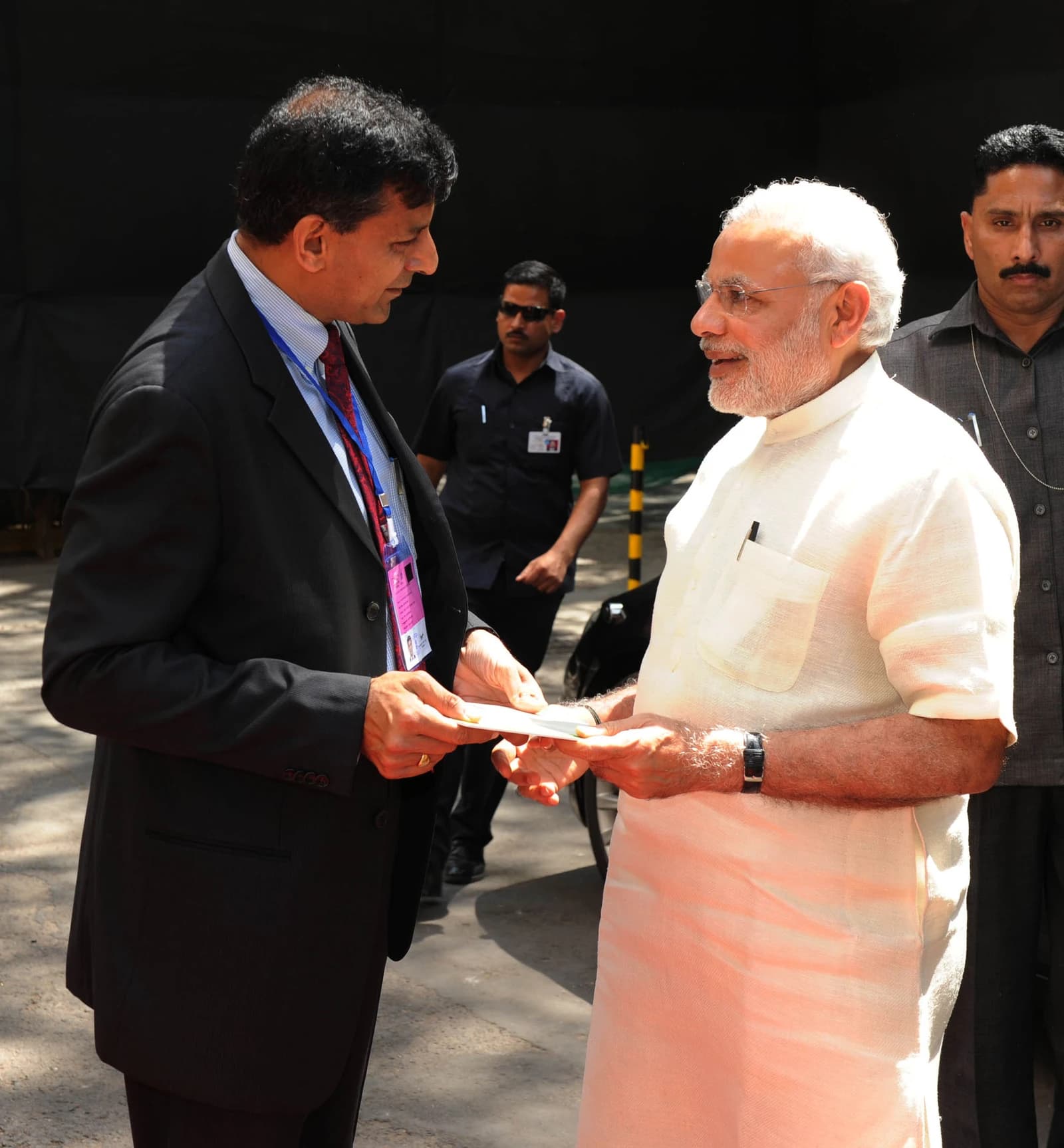
A decade after Prime Minister Narendra Modi scrapped ₹500 and ₹1,000 notes, the policy is remembered less as a breakthrough against black money than as a case study in how not to execute economic reform. The notes represented 86% of currency in circulation at the time, triggering a cash crunch that hit ordinary households, small businesses and the informal economy far harder than the wealthy, who largely found ways to recycle cash through intermediaries.
Sentiment Indicators

The episode mattered because it exposed the limits of a coercive approach to formalization. The government’s hope was that forcing cash back into the banking system would flush out undeclared wealth and accelerate a shift toward traceable transactions. Instead, most of the invalidated notes returned to the system, undercutting the claim that the policy had meaningfully crippled illicit cash holdings. The result was a broad economic disruption that imposed immediate costs on consumption and commerce while producing far less in durable tax or anti-corruption gains than promised.
For investors, the more important lesson is not simply that one policy failed, but that policy credibility, institutional autonomy and execution risk are material macro variables in India. The move strained relations between the finance ministry and the Reserve Bank of India, with the perception that the central bank had been overruled feeding concerns about institutional independence. That matters for risk premia because markets price not just growth and inflation, but the predictability of policymaking and the quality of the framework behind it.
It also helps explain why demonetization’s political capital eroded over time. The initial popular support reflected the sense that the wealthy were being punished. But as the costs became clearer and the benefits proved elusive, enthusiasm faded. The episode offers a broader political economy lesson: policies that are welcomed in the first flush of announcement can lose support once households and businesses absorb the economic reality.
The third lesson is conceptual. India’s policymakers conflated illegal cash hoarding with the subsistence activities of the self-employed and other informal workers. That distinction mattered because informality is not a single problem with a single cure. Trying to “formalize” a vast, heterogeneous economy through a blunt cash ban risked damaging livelihoods that were outside the tax net but not criminal in nature. The subsequent rise in digital payments should be seen as partly policy-assisted, not proof that demonetization was the right tool.
For markets, the story is a reminder that India’s growth narrative depends as much on institutional discipline as on reform rhetoric. The country’s long-term appeal remains intact, but the demonetization episode stands as evidence that large, top-down interventions can create short-term dislocation, political backlash and bureaucratic friction if they are not carefully designed and coordinated.
The enduring investor takeaway is that India’s reform path is strongest when it broadens the formal economy through incentives, infrastructure and trust, not shock therapy. Ten years on, demonetization is less a template for change than a cautionary tale about the economic costs of overreach.
| Entity | Gains | Losses |
|---|---|---|
| Digital payments providers | ▲Faster adoption | ▼Slower cash economy |
| Tax authorities | ▲Better traceability | ▼Lost credibility on black money claims |
| Informal workers and small merchants | ▲— | ▼Cash disruption and lost income |
| Government reform agenda | ▲Some formalization gains | ▼Policy trust and institutional autonomy |