Congress has turned India’s voter-roll controversy into a direct political offensive against Prime Minister Narendra Modi, saying the opposition alliance’s goal is to dislodge the government through an anti-“vote theft” campaign as anger over electoral integrity deepens.
Congress targets Modi over India voter-roll dispute
The escalation matters because it moves the dispute beyond a procedural argument over the Election Commission and into a broader legitimacy battle that could shape India’s political risk premium ahead of future polls. If the opposition succeeds in keeping the issue alive, it could tighten pressure on the Modi government, deepen scrutiny of the electoral process and complicate the administration’s effort to project institutional stability.
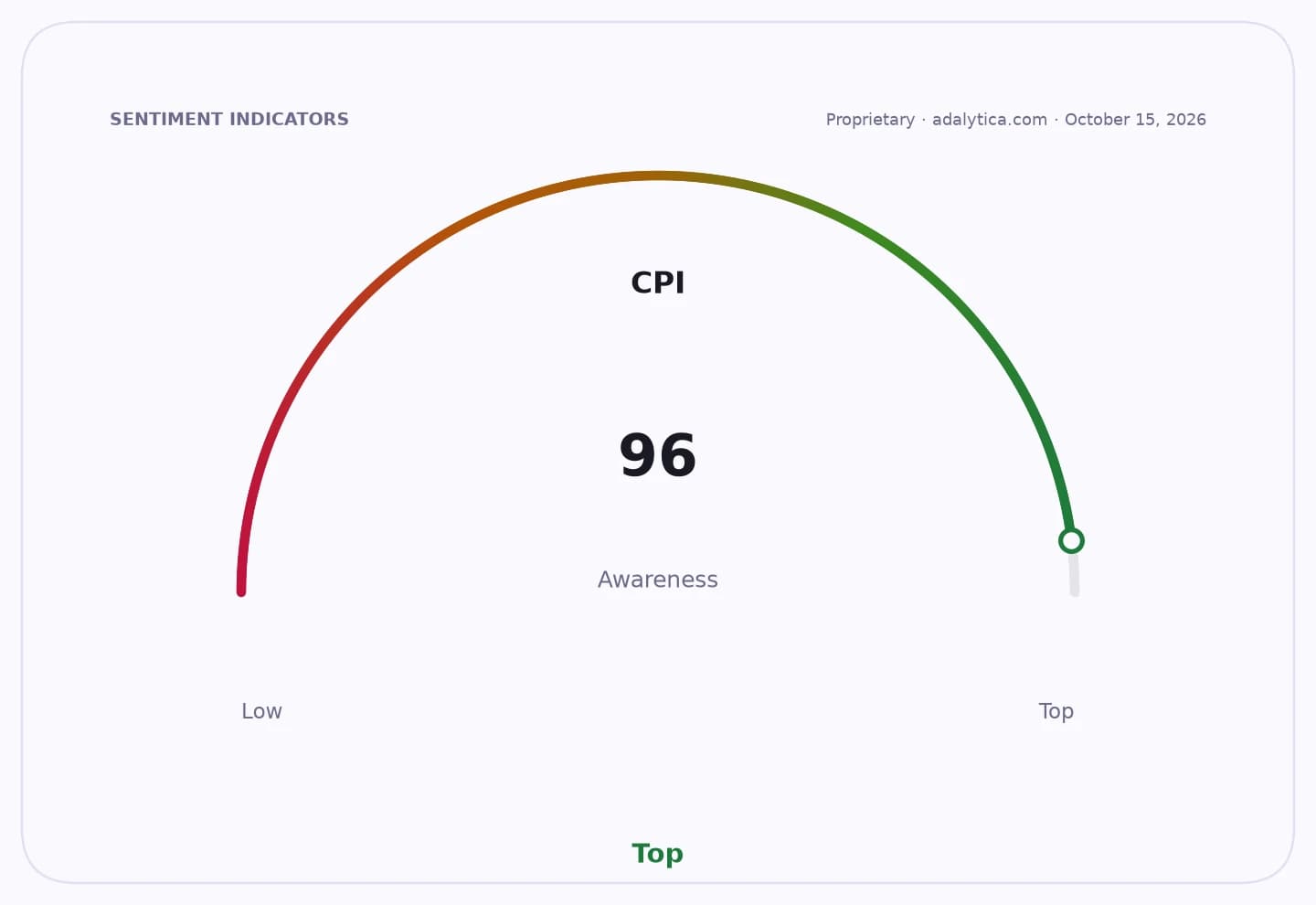
Sentiment IndicatorsⓘProprietary · adalytica.com · October 20, 2026
This is a snapshot — live sentiment, awareness and momentum for 130+ markets update continuously in the dashboard.Open AlphaPulse
Congress communications chief Pawan Khera told a press conference in New Delhi that the ruling Bharatiya Janata Party had “destroyed” the country’s development process by taking power through vote theft, and said the INDIA bloc’s objective was to defeat the Modi government and change the system. He argued that the opposition wants to change the government through elections, while accusing the BJP of being uneasy with democratic accountability.
Khera also defended protests by overseas Indian citizens and criticized the government for what he described as a double standard: praising expatriates who promote Indian culture abroad while questioning those who criticize the government at home. He said critics should be answered rather than attacked.
The rhetoric is part of a wider opposition push to frame alleged irregularities in voter registration as a national democratic crisis. That follows mounting street anger and demands for accountability from the Election Commission, whose chief, Gyanesh Kumar, has faced pressure over the handling of voter lists. Khera said questions directed at the poll body were being answered by the Modi government instead, a sign, in the opposition’s telling, that the commission lacks independence.
The dispute has also sharpened political polarization by drawing in figures outside the immediate election debate. Khera cited the controversy around constitutional lawyer Prashant Bhushan’s call for “regime change” and said the same language that was tolerated years ago is now being treated as hostile. He also accused the government of labeling critics as “urban Naxals” or Left-leaning sympathizers instead of responding substantively.
For investors, the immediate market significance is less about day-to-day headlines than about the longer-term implications for policy continuity, institutional credibility and foreign perception of governance risk in India. A prolonged legitimacy fight can raise uncertainty around reform execution, complicate administrative decision-making and keep political risk elevated even if economic fundamentals remain intact.
The best-case scenario for Modi’s camp is that the controversy fades into a partisan dispute with limited institutional fallout. The bear case is that the voter-roll issue becomes a durable opposition narrative, fueling more protests, more scrutiny of the Election Commission and a prolonged challenge to the government’s political authority.
For now, the main takeaway is that Congress is not treating the “vote theft” allegation as a narrow electoral complaint. It is using it as the organizing theme of a broader campaign to weaken Modi’s hold on power — and to portray the next election as a fight over the credibility of India’s democratic system itself.
| Entity | Gains | Losses |
|---|---|---|
| Congress/INDIA bloc | ▲Opposition momentum | ▼Short-term policy focus |
| Modi government/BJP | ▲Core support base if backlash fades | ▼Legitimacy pressure |
| Election Commission | ▲Public scrutiny | ▼Institutional trust |
| Investors in India assets | ▲Clarity if dispute settles | ▼Higher political risk |