India has rejected criticism from US Congresswoman Pramila Jayapal over a sweeping revision of its voter rolls, turning what began as a domestic election dispute into a sharper diplomatic spat with Washington.
India rejects Jayapal criticism over voter roll revision
The external affairs ministry said Jayapal’s comments were “unwarranted and uninformed” and amounted to interference in the “electoral practices of a fellow democracy,” after she accused the Indian government of trying to purge 130 million people from the voting rolls.
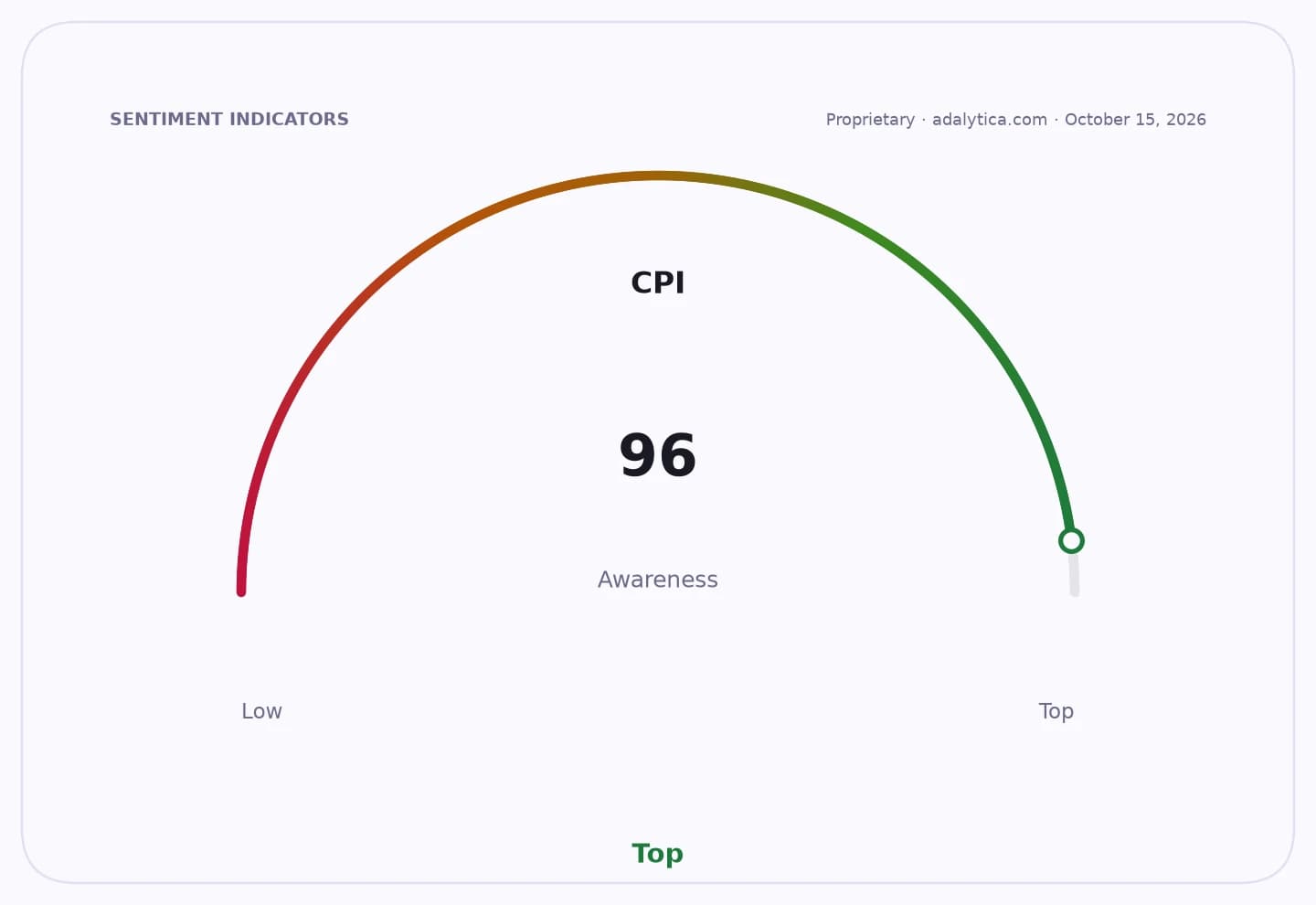
Sentiment IndicatorsⓘProprietary · adalytica.com · October 19, 2026
This is a snapshot — live sentiment, awareness and momentum for 130+ markets update continuously in the dashboard.Open AlphaPulse
The row matters because it lands in the middle of mounting domestic protests over the special intensive revision, or SIR, of electoral rolls, which opposition parties and young protesters say has led to millions of names being struck off. Any perception that the process is politically tilted risks deepening questions around the credibility of India’s electoral machinery ahead of future state and national contests.
For investors, the issue is less about immediate market mechanics than institutional risk: democratic stability, rule-of-law concerns and India’s international image remain part of the premium global money assigns to the country. Prolonged political friction can complicate foreign engagement at a time when India is trying to position itself as a reliable counterweight to China and a destination for supply-chain diversification.
Jayapal, an Indian-origin Democrat, said the revision resembled efforts in the US to undermine voting rights and voiced support for non-violent protests in India. Her intervention is especially sensitive in New Delhi because she has previously clashed with the government over Jammu and Kashmir, and Indian ministers have shown little appetite for engaging lawmakers seen as openly hostile.
The episode adds another layer of strain to India-US ties, which have been broadly pragmatic but periodically tested by human-rights and democratic-process disputes. With voter-roll protests still unfolding, the next flashpoint is likely to be whether New Delhi defends the revision as a technical clean-up or faces sustained pressure at home and abroad over the scale of the deletions.
| Entity | Gains | Losses |
|---|---|---|
| Indian government | ▲Defends sovereignty | ▼Faces election credibility questions |
| Opposition parties/protesters | ▲More scrutiny of SIR | ▼Risk of weaker institutional trust |
| Pramila Jayapal | ▲Gains attention among critics | ▼Draws New Delhi’s backlash |
| India-US ties | ▲Broader debate on democracy | ▼More diplomatic friction |