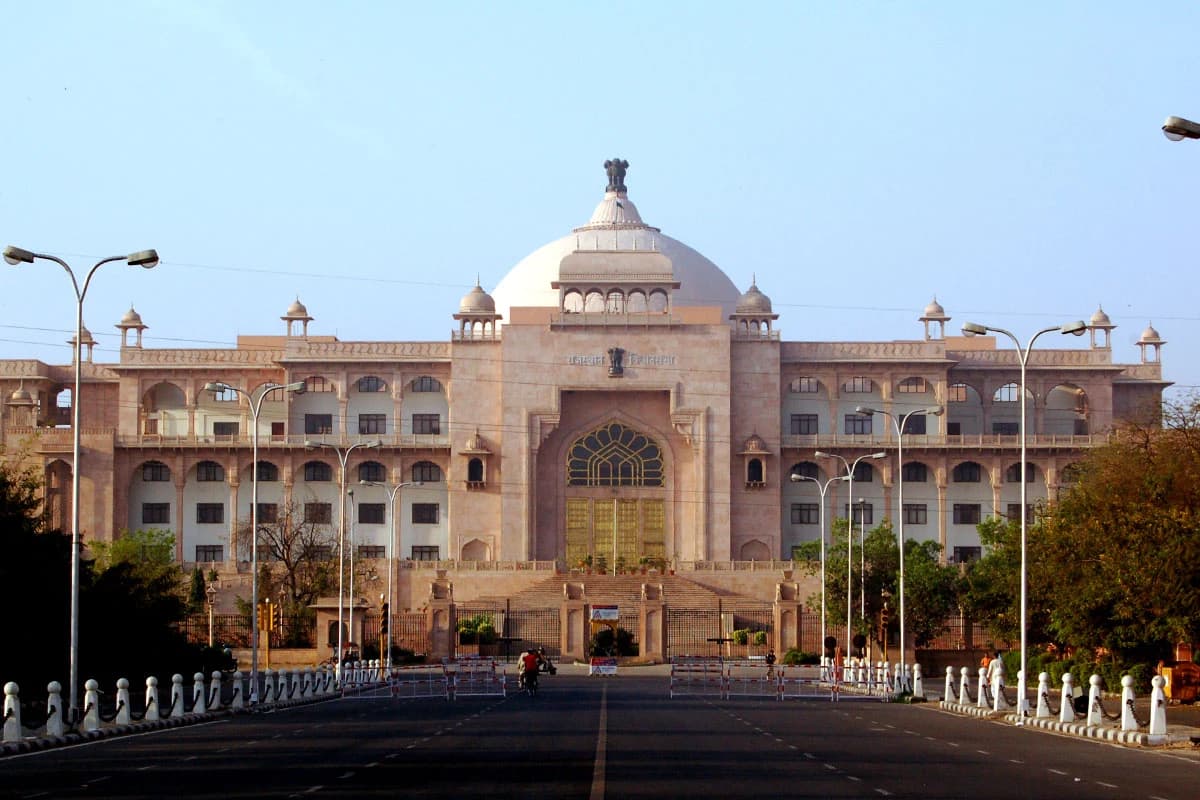
Indian authorities have sealed off a central New Delhi protest site and intensified security across the capital ahead of a youth-led demonstration that has become the most visible challenge yet to the government’s controversial voter-list review.
India seals New Delhi protest site before voter-list rally
The confrontation matters because the dispute has moved beyond a street protest into a test of how far Prime Minister Narendra Modi’s administration is willing to go to contain dissent around an issue that cuts to the integrity of India’s election machinery. The Election Commission says its revision is aimed at removing duplicate and ineligible voters, but critics argue it could disenfranchise millions and disproportionately affect minorities, especially Muslims.
Sentiment IndicatorsⓘProprietary · adalytica.com · October 19, 2026
This is a snapshot — live sentiment, awareness and momentum for 130+ markets update continuously in the dashboard.Open AlphaPulse
Authorities closed Jantar Mantar, a traditional protest venue in central Delhi, and police urged people not to join the rally, while offering a limited alternative location for flag-waving and anthem singing. The heavy security posture follows a week after a police crackdown on protesters in New Delhi and comes as the “Cockroach” movement, originally a satirical online campaign, broadens into a national youth uprising.
The scale of the voter-list exercise has sharpened the political stakes. More than 130 million names have been removed from the rolls since last year, according to critics of the process, feeding accusations that the revision is being used to shape the electorate ahead of future votes. Modi’s government and the Election Commission reject that charge, but the issue has already forced a rare setback for the prime minister after protests linked to the movement helped push out his education minister in July.
For investors, the significance is less about the rally itself than about what it reveals: rising political friction, pressure on institutional credibility and the risk that more aggressive crowd control and legal disputes could complicate the policy backdrop in India’s capital. Domestic instability can unsettle sentiment toward Indian assets, particularly when it intersects with election administration, a core pillar of democratic legitimacy and market confidence.
The wider narrative is one of a government trying to preserve order while facing a younger, more fluid protest movement that has learned to turn satire into political pressure. If the crackdown deepens, the dispute could spread from New Delhi into a broader challenge over civil liberties, election governance and the durability of India’s political consensus.
| Entity | Gains | Losses |
|---|---|---|
| Modi government | ▲tighter control of streets | ▼political optics |
| Election Commission | ▲ability to press ahead with revision | ▼public trust |
| Youth protest movement | ▲national visibility | ▼risk of arrests |
| Indian equities and risk assets | ▲none immediate | ▼higher political uncertainty |