Donald Trump’s allies are running into a hard legal wall as they float armed federal officers at polling places and tighter control over ballots, raising the stakes for voting access, election administration and market-sensitive perceptions of U.S. institutional stability.
Trump allies face legal limits at polling places
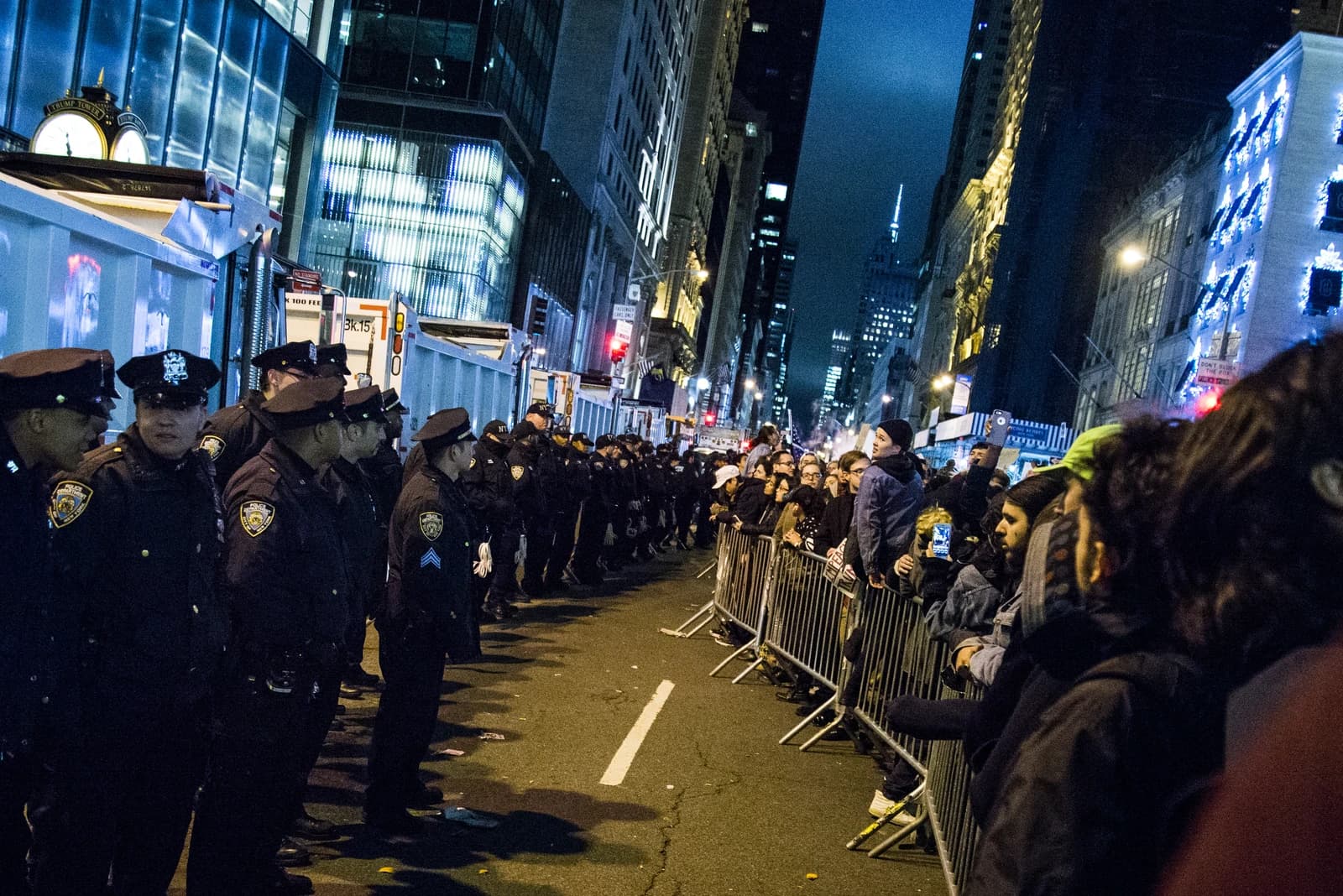
The immediate significance is not the rhetoric itself, but the clash between that strategy and election law. Federal statutes already bar troops or armed federal officers from appearing at polling places, and broad anti-intimidation laws can be used to block any attempt to pressure voters. State laws add another layer, with many jurisdictions also prohibiting firearms near polling sites or limiting police presence unless election officials request help.
Sentiment IndicatorsⓘProprietary · adalytica.com · October 17, 2026
This is a snapshot — live sentiment, awareness and momentum for 130+ markets update continuously in the dashboard.Open AlphaPulse
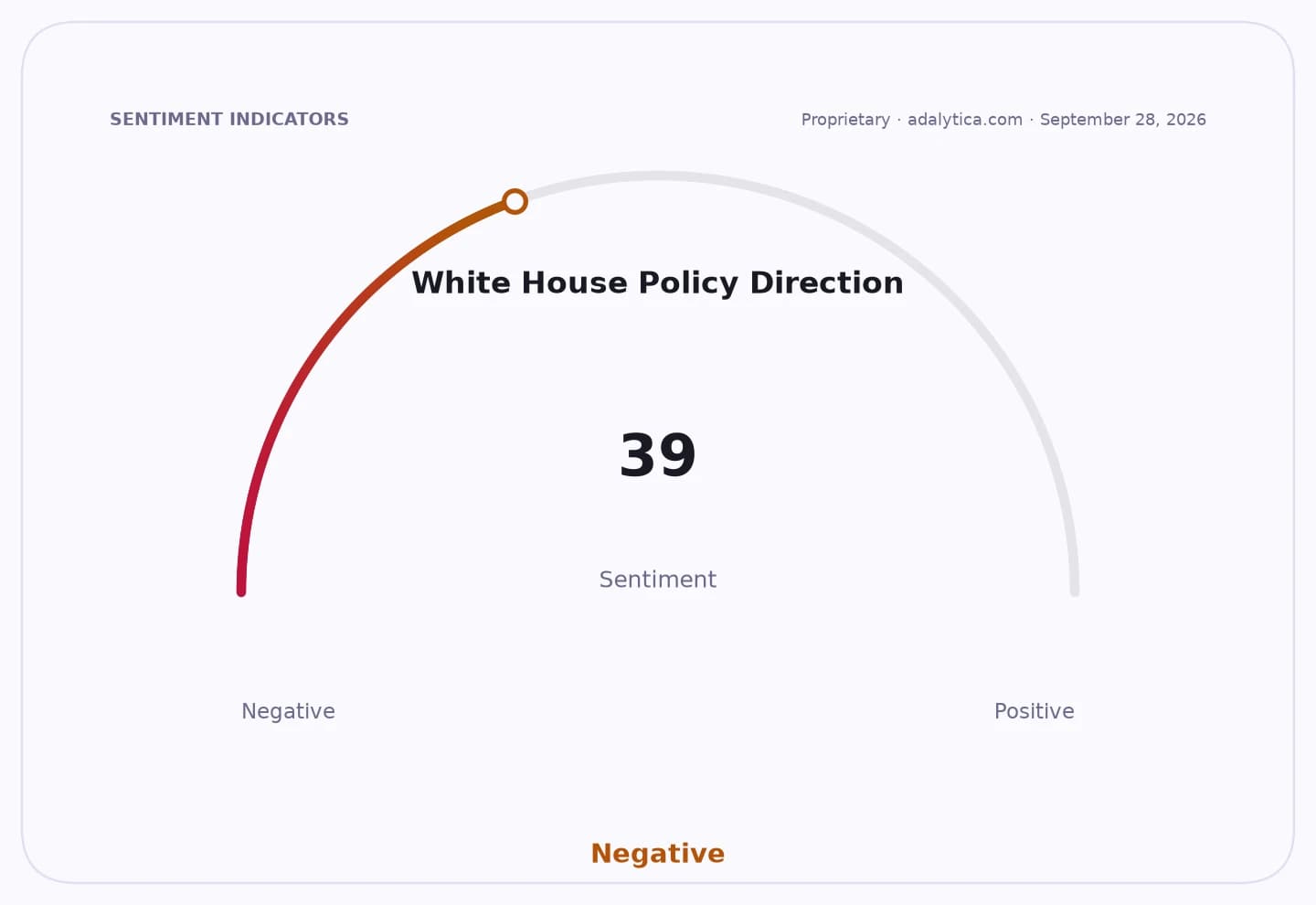
For investors, the issue matters because election legitimacy is a macro variable as much as a political one. Any escalation in perceived coercion, ballot interference or disputes over custody of votes would add to U.S. governance risk at a time when markets are already sensitive to political volatility. That helps explain why Adalytica’s global stability gauge has slipped into “Fear” and why U.S. policy-direction sentiment has turned sharply lower in the latest snapshot, even as the presidential approval readout remains neutral. In market terms, the story is less about one election tactic than about the premium investors assign to orderly succession, rule of law and the smooth transfer of power.
The legal constraints are clear enough to make any federal deployment to polling stations a high-risk move. Civil rights groups, voter advocacy organizations and labor unions have already sued to block such actions, arguing that threatening messaging and the prospect of armed enforcement have created an intimidating climate for voters, especially voters of color. Local police presence is also tightly limited in many states and usually must be requested by election officials, who retain operational control at the site.
Ballot seizure is even more problematic. Election-law experts point to chain-of-custody rules in every state, which govern who can handle ballots before and after voting. A law-enforcement seizure would likely violate those protections and could undermine certification. A California case in which a sheriff seized hundreds of thousands of ballots was rejected by the state Supreme Court, offering a road map for courts if similar disputes emerge in an active election.
The broader political narrative is straightforward: if a candidate expects to lose the popular vote, the battle shifts to the mechanics of turnout, administration and certification. That is why the current controversy is consequential beyond Washington. It is a test of whether states, courts and election officials can prevent a presidential campaign from converting administrative pressure into electoral leverage.
For investors, the near-term watchpoint is whether the dispute stays rhetorical or moves into operational conflict at polling sites. The first scenario is mostly noise. The second would raise the odds of legal injunctions, public unrest and a more prolonged post-election challenge, all of which could feed into volatility across risk assets, the dollar and Treasuries as markets price a less predictable U.S. political environment.
| Entity | Gains | Losses |
|---|---|---|
| Trump campaign | ▲Mobilization base | ▼Legal exposure |
| Election officials | ▲Authority over polling sites | ▼Operational pressure |
| Voters | ▲Court protections | ▼Intimidation risk |
| Markets | ▲Clarity if courts intervene | ▼Stability if disputes escalate |