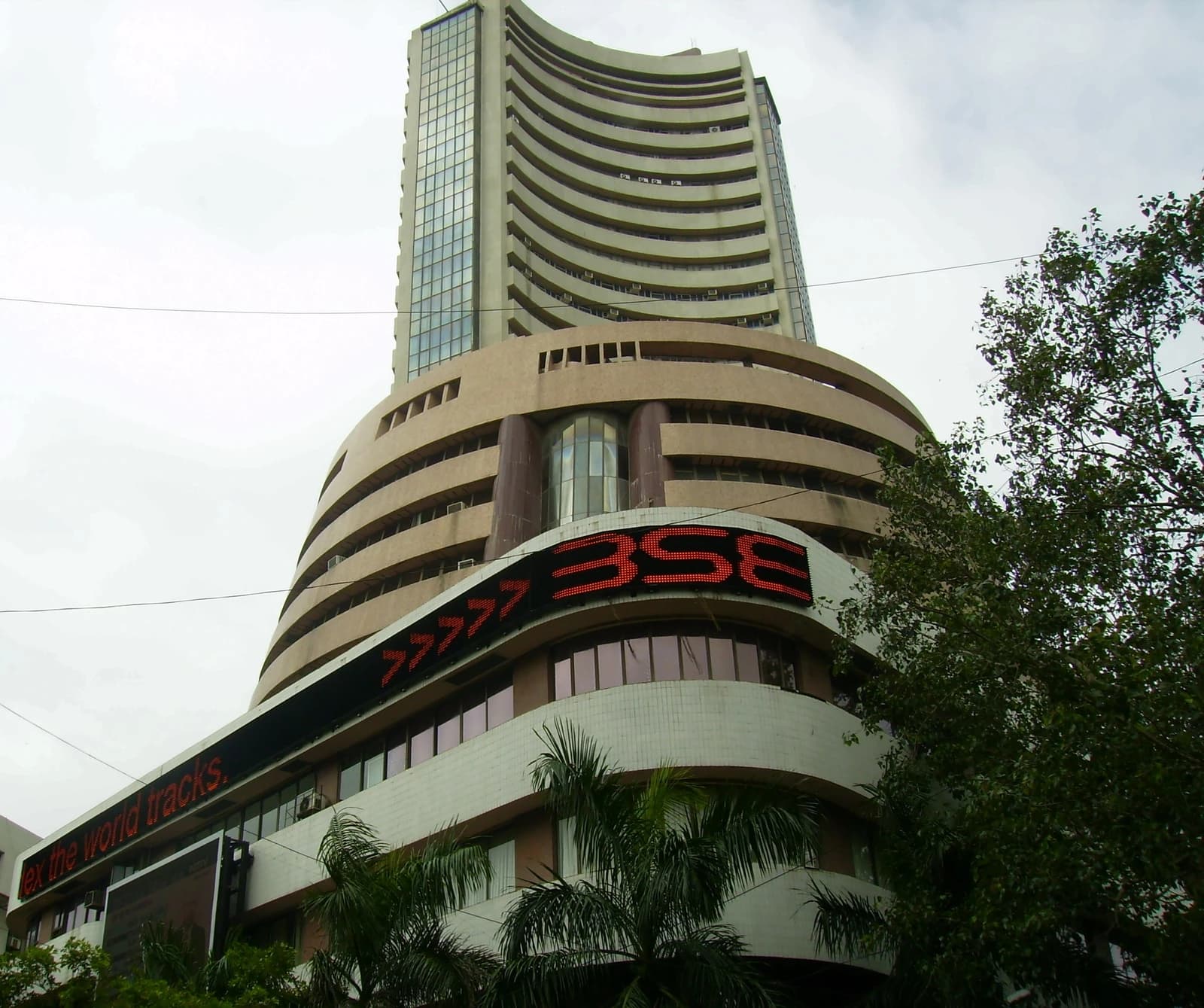
India’s move to cut the export duty and windfall tax on diesel from Sept. 1 comes as refining margins and product flows are being shaped by a tighter global diesel market, offering a short-term boost to exporters but little relief to consumers facing firmer fuel costs.
India cuts diesel export duty as global prices rise
The policy shift matters because diesel is the workhorse fuel of transport, industry and agriculture, and any change in export economics quickly feeds through to refinery profitability, domestic supply and inflation expectations. With Russia extending its diesel export ban into September amid refinery disruptions from attacks in Ukraine, global middle distillate supply is already constrained. That has helped push diesel prices higher just as the US enters its seasonal demand period, making India’s tax tweak part of a broader scramble by governments to keep fuel moving without worsening local price pressures.
Sentiment IndicatorsⓘProprietary · adalytica.com · September 1, 2026
This is a snapshot — live sentiment, awareness and momentum for 130+ markets update continuously in the dashboard.Open AlphaPulse
For Indian refiners, the immediate effect is to make overseas sales more attractive. Reliance Industries, which had been trading below its 50-day moving average and was just recovering from an oversold reading on the RSI, rose to 1,309 rupees on Sept. 1 after closing at 1,277 rupees a day earlier, while state refiners such as Indian Oil and BPCL also showed a firmer tone around the announcement. That suggests investors see the tax reduction as supportive of product exports and margins, even if the move does not alter the larger demand-supply picture.
The economics are straightforward. Lower export taxes improve netbacks on diesel shipments at a time when international prices are elevated, giving Indian refiners a chance to capture stronger spreads. But the government is also trying to balance that benefit against domestic inflation and political sensitivity around fuel. The cut in diesel levies, alongside adjustments to other fuel taxes, suggests New Delhi is leaning toward smoothing refinery economics rather than forcing barrels to stay home.
DCOILWTICO — macro contextadalytica.com
Explore this data interactively — full history, time series and cross-market comparisons.Open AlphaPulse
That trade-off matters for investors because it highlights how quickly policy can swing margins in the energy complex. Refiners with exposure to export markets gain when diesel arbitrage improves, while marketers and consumers lose if higher global prices eventually feed through to domestic pump costs. The move also reinforces the appeal of integrated names such as Reliance over pure downstream plays, since they are better positioned to absorb policy volatility and capture export upside.
The bigger narrative is that diesel is again becoming a strategic fuel, not just a cyclical one. Geopolitical disruption, seasonal demand and limited spare refining capacity are tightening the market at the same time. India’s tax cut may ease the pressure on its refiners, but it also underlines how fragile the global diesel balance has become and how exposed fuel-sensitive investors remain to policy and supply shocks.
| Entity | Gains | Losses |
|---|---|---|
| Indian refiners | ▲Higher diesel export netbacks | ▼Domestic supply tightness |
| Reliance Industries | ▲Stronger refining margins | ▼Policy volatility |
| Indian consumers | ▲Possible stability from tax easing | ▼Risk of firmer fuel prices |
| Global diesel buyers | ▲Access to Indian supply | ▼Higher prices if exports rise |