Prime Minister Narendra Modi has tied the success of India’s digital public infrastructure to a broader political argument about subsidies, saying the move away from cash-based welfare has plugged “leakages” worth as much as 5 lakh crore rupees.
India digital payments and subsidy leakages
The message matters because it goes to the core of how India finances welfare, transfers income and justifies the state’s growing use of digital rails. If the government can credibly claim that direct benefit transfers and digital records have reduced waste on that scale, it strengthens the fiscal case for targeted spending and supports a policy model that has become central to India’s growth story.
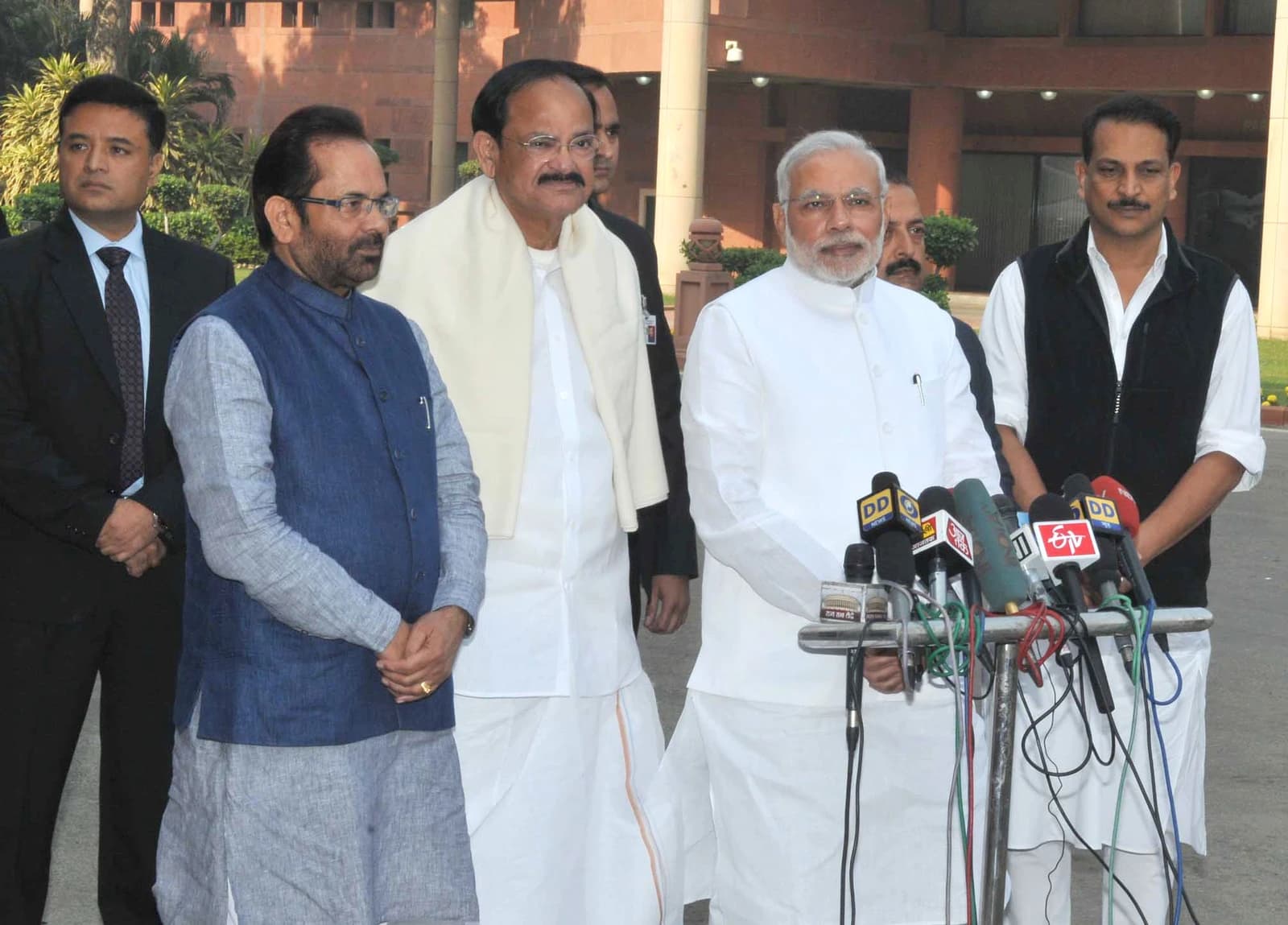
Speaking at the India Mobile Congress in New Delhi, Modi said those who had benefited from “free money” would hardly “love Modi” now that such flows have been curtailed. He framed the shift as a break from an older system in which public money was siphoned off before reaching intended recipients, and credited digital technology with limiting those losses.
For investors, the significance is less the political flourish than the signal it sends on policy continuity. India’s digital identity, payments and transfer architecture has become one of the country’s most important economic enablers, cutting friction in welfare delivery and giving the state more room to spend without immediately widening fiscal slippage. That helps support consumption at the bottom of the income ladder while preserving some policy credibility with bond markets and foreign investors watching India’s fiscal path.
The remarks also underscore how central the digital state has become to Modi’s economic narrative. India Mobile Congress was used to link mobile-phone adoption, Digital India and the digitisation of government services to a broader claim that technology is improving both governance and resource allocation. That is important for sectors ranging from fintech and telecom to handset makers and payment infrastructure providers, which benefit when the government keeps pushing transactions and services onto digital platforms.
In market terms, the message cuts both ways. Bulls will see a reaffirmation that India is committed to a formalised, data-driven economy that can widen the tax base, improve subsidy targeting and support productivity. Bears may question the precision of a 5 lakh crore rupee leakage estimate and whether digital rails alone can solve entrenched inefficiencies in a country of India’s size.
The latest trading pattern in India-focused vehicles has been weak, with recent declines suggesting investors are waiting for proof that the digital-growth story can translate into earnings and fiscal resilience. But the policy direction remains clear: the government is doubling down on technology as both an economic tool and a political defence of its welfare model.
The next catalyst will be whether that framework continues to show up in budget discipline, better delivery of subsidies and stronger private investment in the digital ecosystem. If it does, the leakage argument will matter not just as campaign rhetoric but as part of the investment case for India’s long-term formalisation.
| Entity | Gains | Losses |
|---|---|---|
| Modi government | ▲Policy credibility | ▼Welfare leakages |
| Digital India / DBT system | ▲Broader adoption | ▼Cash intermediaries |
| Beneficiaries of targeted transfers | ▲Better delivery | ▼Middlemen and siphoners |
| Investors in formal economy | ▲Fiscal discipline | ▼Informal rent-seekers |