India’s central government is moving to raise the bar for getting a driving licence, requiring a 75% pass mark and banning fake documents under a new draft notification, a change that could reshape how millions of applicants access the country’s roads.
India raises driving licence pass mark to 75%
The draft rules matter economically because they tighten enforcement in a system where weak documentation and uneven testing have long undermined traffic safety, regulatory credibility and administrative efficiency. By making it harder to obtain licences through forged papers or low exam scores, the government is signaling a broader push to formalize transport oversight and reduce the costs of unsafe driving.
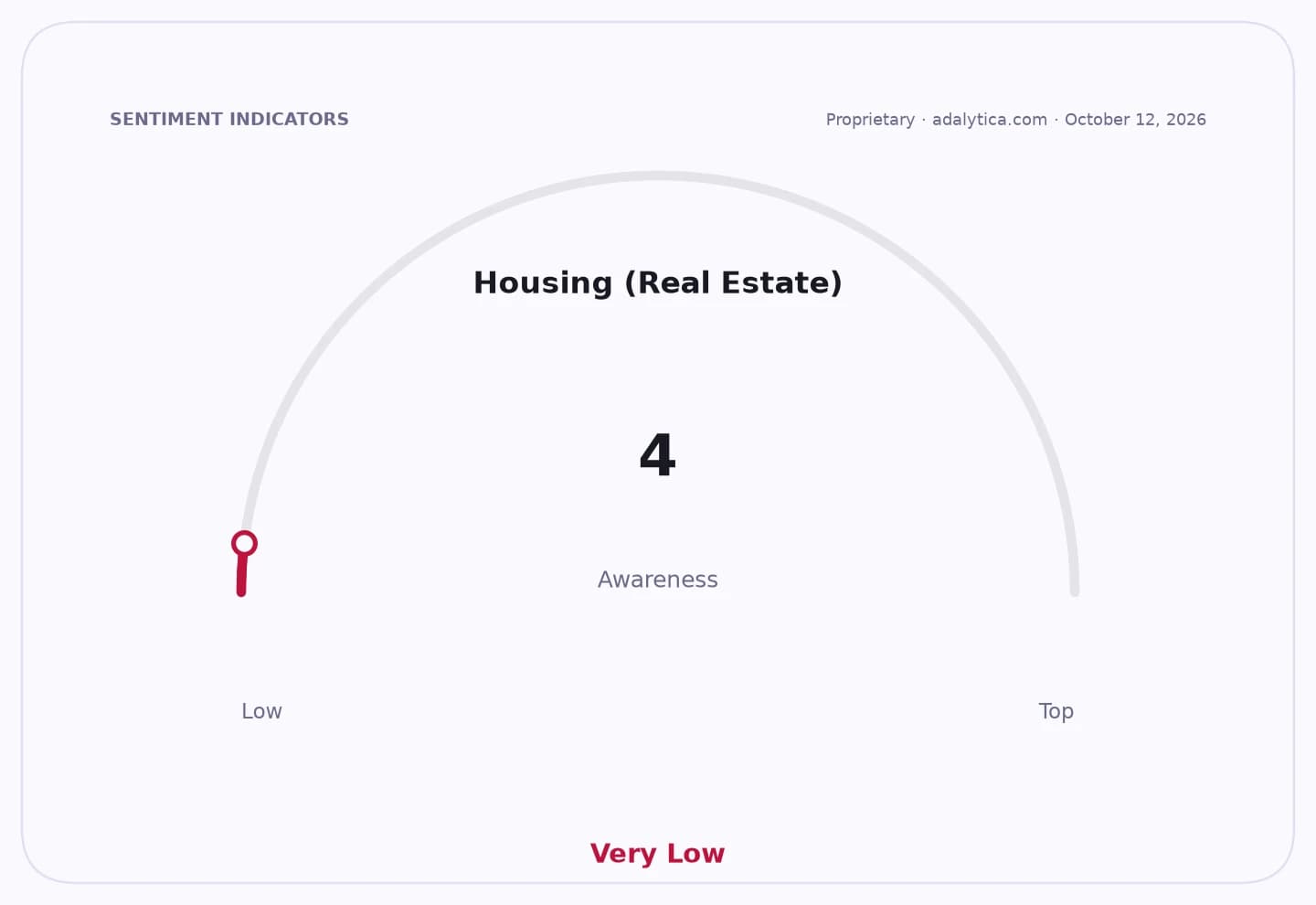
Sentiment Indicators
For investors, the immediate impact is more regulatory than market-moving, but it still touches sectors exposed to transport compliance, vehicle sales, fleet operators, insurers and mobility services that depend on cleaner records and safer roads. Any stronger enforcement regime can also mean higher administrative friction in the short term, even as it supports longer-term discipline across the automotive ecosystem.
The change fits a wider pattern of Indian authorities trying to clamp down on fraudulent vehicle and registration practices, including tougher scrutiny of ownership transfer and deregistration. That adds to the compliance burden for motorists and dealers, but it also reduces the risk that improperly documented vehicles remain in circulation and create legal or safety liabilities.
The next catalyst is the final notification and rollout timeline, which will determine how quickly the stricter pass mark and document checks become binding across the country.
| Entity | Gains | Losses |
|---|---|---|
| India transport authorities | ▲Stronger enforcement | ▼Higher implementation burden |
| Road safety advocates | ▲Better compliance | ▼— |
| Auto dealers and applicants | ▲Clearer rules | ▼More paperwork, tougher testing |
| Insurers and fleet operators | ▲Lower fraud risk | ▼Short-term admin friction |