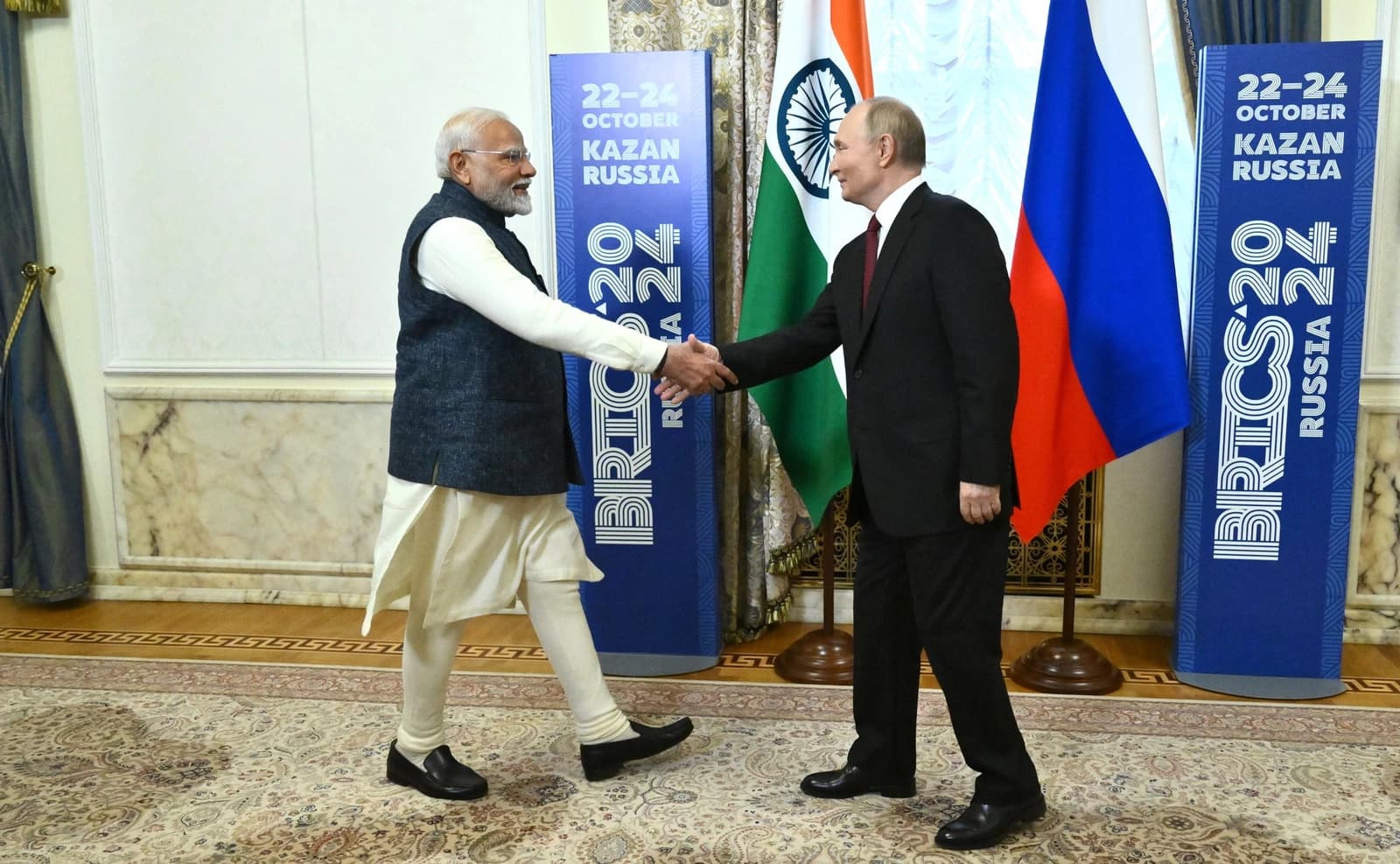
India and France are turning their long-standing diplomatic relationship into a deeper strategic and commercial partnership at a time when New Delhi wants to broaden its security, technology and investment options beyond traditional alignments.
India and France deepen strategic partnership

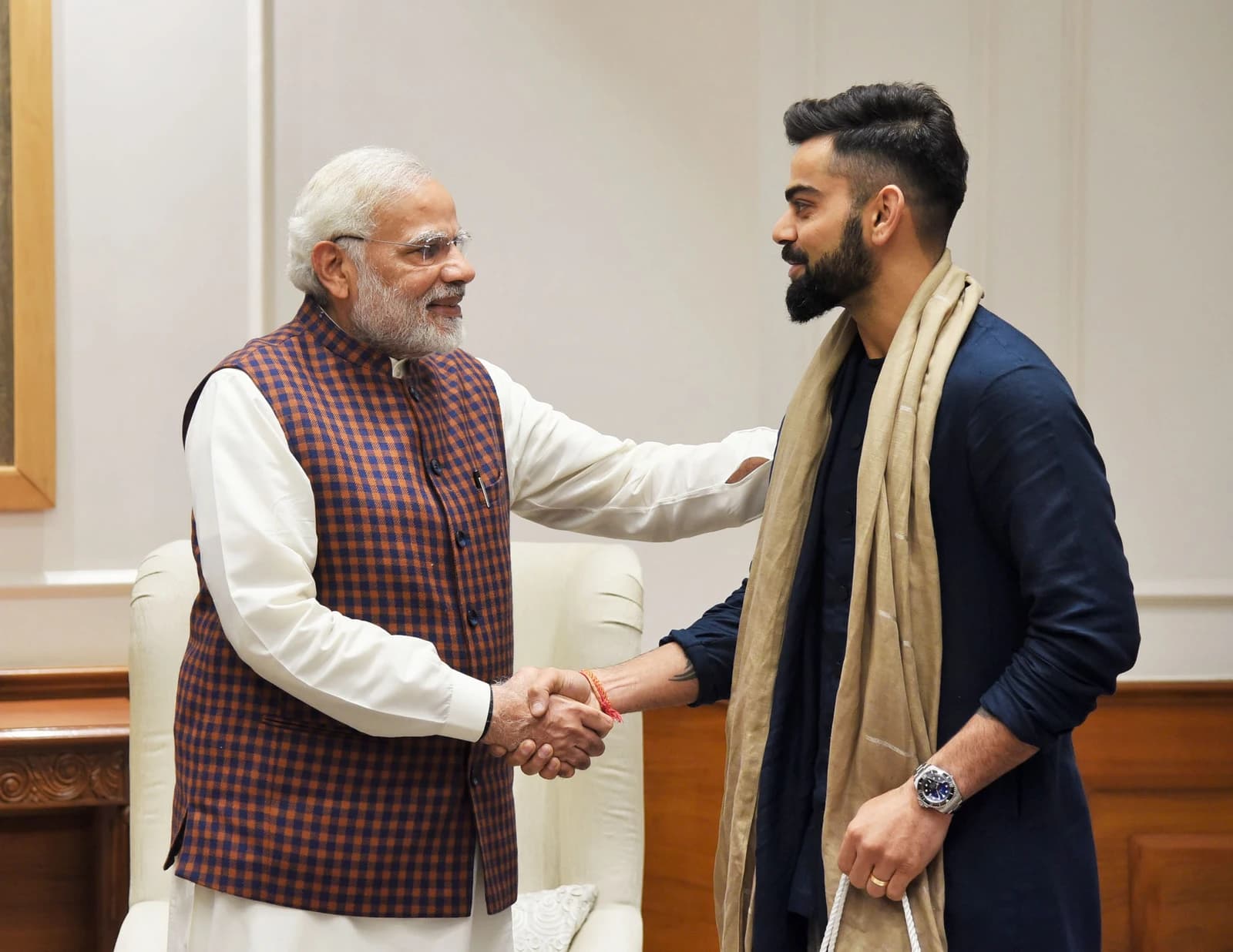
Prime Minister Narendra Modi said the two countries have “reached new heights,” underscoring what both governments describe as a “Special Global Strategic Partnership” with President Emmanuel Macron. The significance is less in the diplomatic language than in what it implies for trade, defense procurement, aerospace cooperation and industrial investment — areas that increasingly shape how India engages with major Western powers.
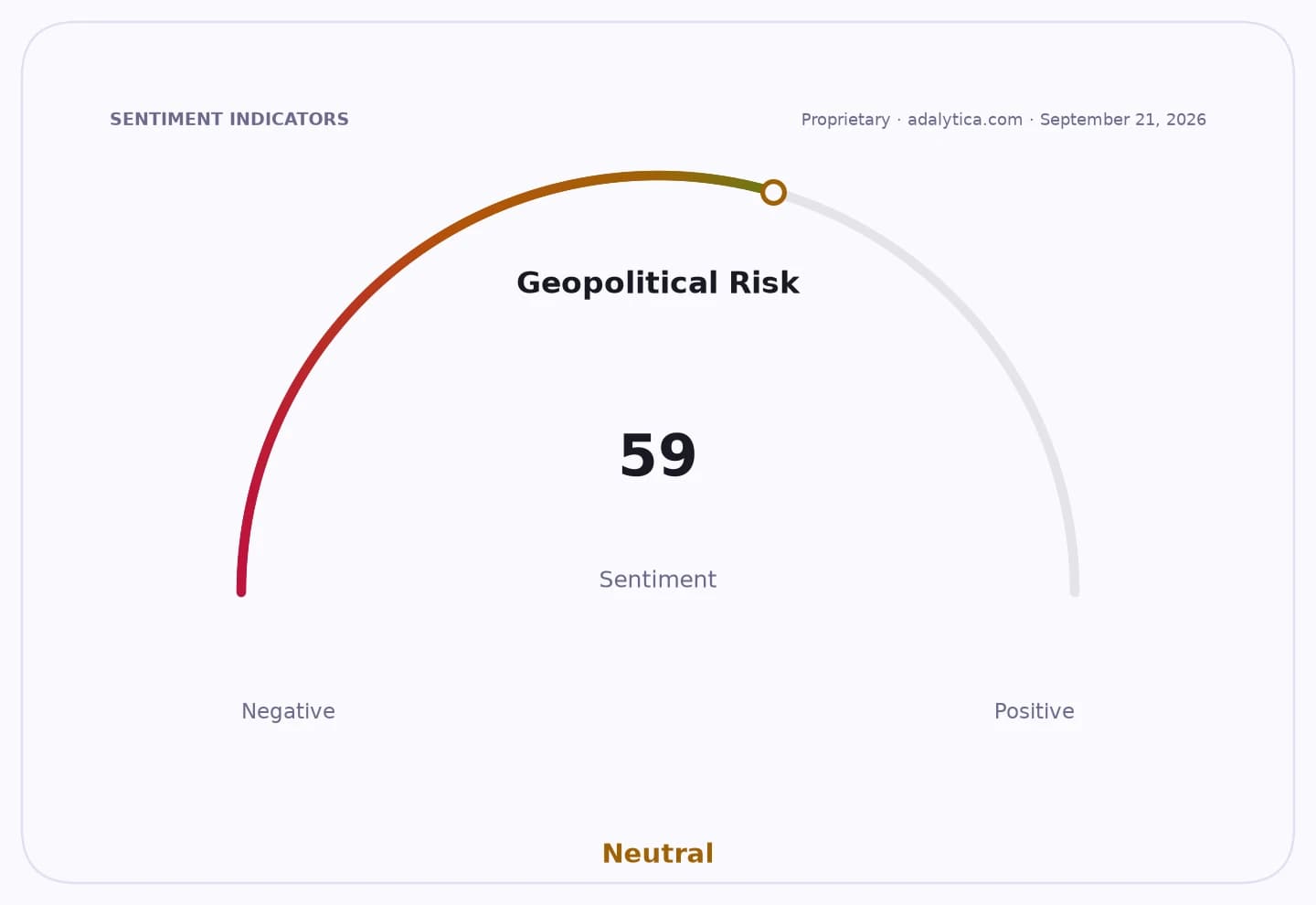
Sentiment IndicatorsⓘProprietary · adalytica.com · September 7, 2026
This is a snapshot — live sentiment, awareness and momentum for 130+ markets update continuously in the dashboard.Open AlphaPulse
For India, stronger ties with France serve a clear economic and geopolitical purpose. Paris has emerged as one of New Delhi’s most reliable European partners on defense, nuclear cooperation and maritime security, giving India a route to advanced technology and diversified suppliers as it seeks to reduce dependence on any single bloc. For France, the relationship offers access to one of the world’s fastest-growing large economies and a market where its companies compete for contracts spanning jets, submarines, civil aviation and urban infrastructure.
The partnership also matters for investors because it feeds into capital flows and order books across sectors tied to cross-border policy. Defense contractors, aerospace suppliers, engineering firms and infrastructure companies stand to benefit most if political warmth translates into new deals. That makes any fresh signaling from Modi and Macron relevant well beyond diplomacy, especially as India tries to position itself as a manufacturing base and strategic counterweight in the Indo-Pacific.
Market reaction is likely to be more visible in individual companies than in broad indices. Infosys, one of India’s best-known listed exporters to Europe, has been volatile in recent months, with its shares falling sharply from a recent high before stabilizing around the low teens. While that move reflects broader technology-sector pressures, stronger India-France economic ties could support sentiment toward Indian IT and services firms with European exposure if the relationship produces steadier corporate spending and public-sector digital contracts.
European defense and aerospace names also remain key beneficiaries of closer bilateral ties. Airbus-linked supply chains, Dassault Aviation’s Indian business and other industrial groups have already been embedded in India’s procurement cycle, and any widening of cooperation would reinforce that pipeline. The flip side is that local Indian manufacturers and alternative suppliers could face fiercer competition if France secures a larger share of upcoming programs.
There is also a broader geopolitical reading. India is trying to preserve strategic autonomy at a moment of rising U.S.-China rivalry, persistent regional security pressures and uncertainty around global trade policy. France has been one of the few major powers willing to engage India on a largely non-aligned basis, making the partnership useful to both sides as they navigate a more fragmented international order.
For investors, the key question is whether the rhetoric turns into concrete awards, joint ventures and policy coordination. If it does, the strongest upside lies in defense, aerospace, engineering and select Indian multinationals with European revenue exposure. If it does not, the relationship remains strategically important but financially limited — a diplomatic asset that may take longer to show up in earnings.
| Entity | Gains | Losses |
|---|---|---|
| India | ▲Wider tech and defense access | ▼Greater pressure to balance powers |
| France | ▲Deeper market access in India | ▼More competition from local firms |
| Defense and aerospace contractors | ▲New deal opportunities | ▼Margins under procurement pressure |
| Indian exporters to Europe | ▲Stronger policy support | ▼Exposure to slower European demand |