India’s 7.8% quarterly GDP growth is more than a headline number — it is a reminder that the world’s fastest-growing major economy is still expanding even as conflict in West Asia rattles trade and energy markets.
India GDP Growth Supports Domestic Stocks
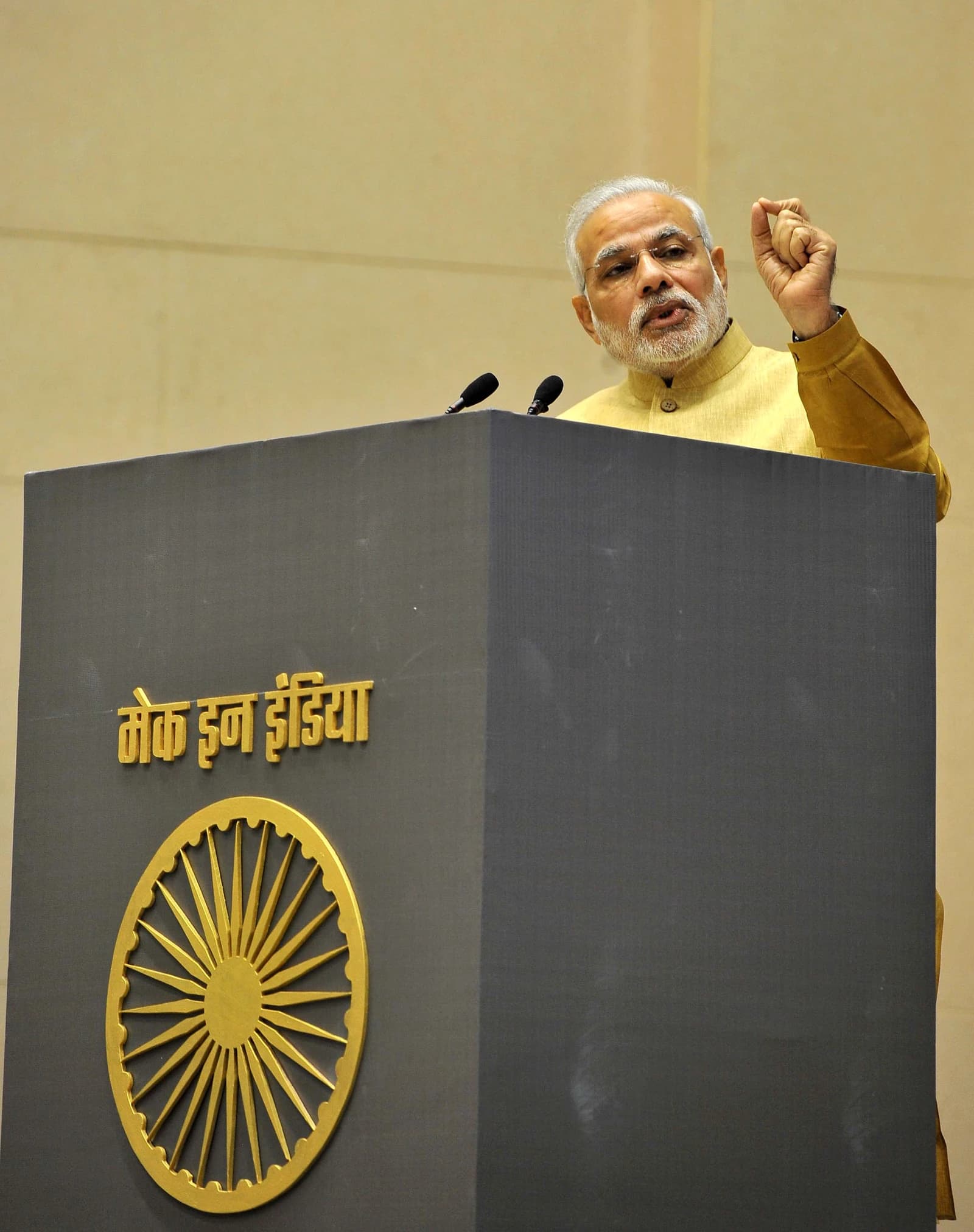
Prime Minister Narendra Modi used a centenary event at Shri Ram College of Commerce to frame that growth as proof of resilience, arguing that India is no longer the “Fragile Five” story global investors once worried about. That matters because growth of this kind usually supports a wider chain reaction: stronger corporate revenues, better tax collections, more hiring and a deeper case for long-term capital spending.
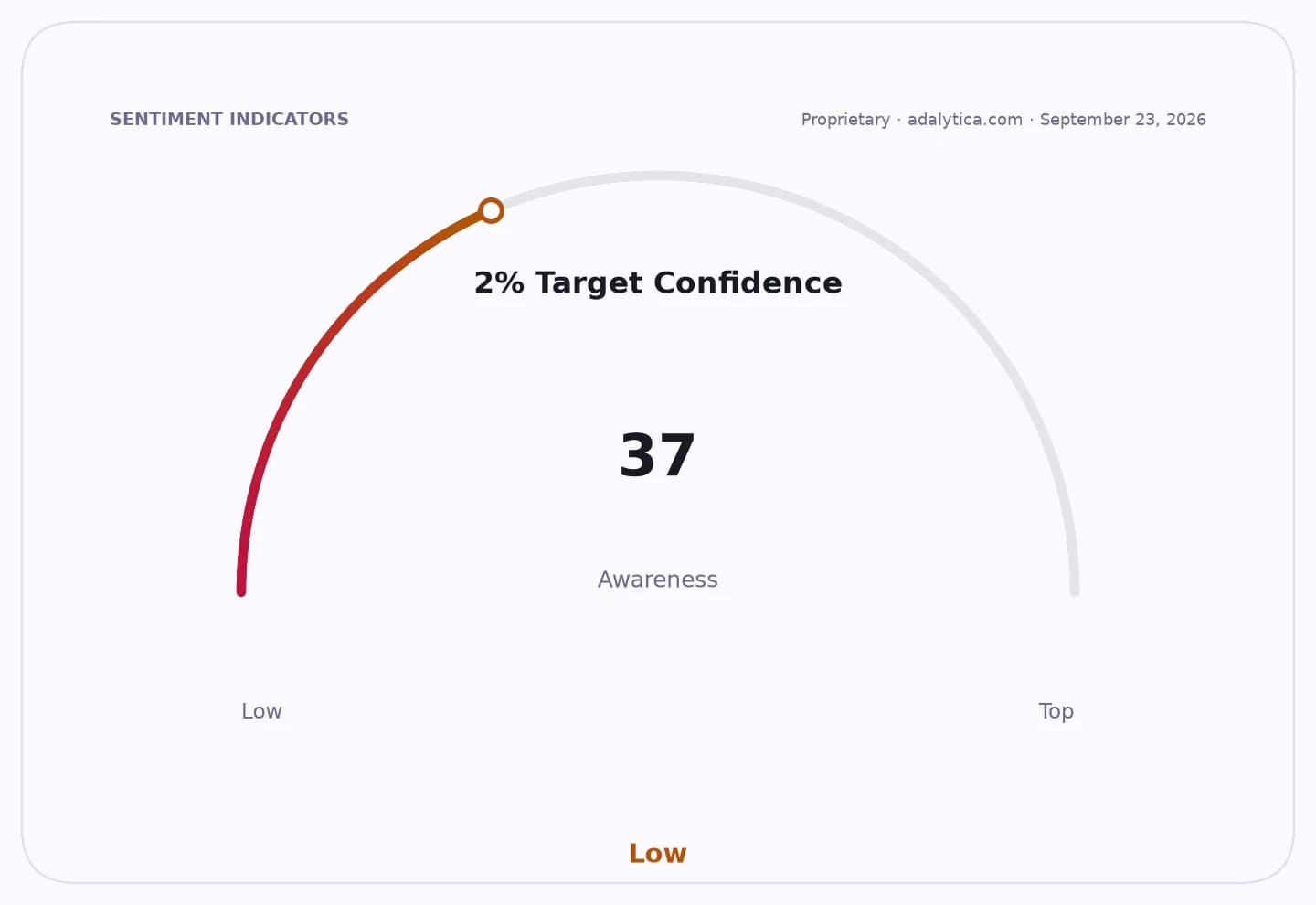
Sentiment IndicatorsⓘProprietary · adalytica.com · September 6, 2026
This is a snapshot — live sentiment, awareness and momentum for 130+ markets update continuously in the dashboard.Open AlphaPulse
For investors, the key point is not just that GDP grew 7.8%, but that it did so against a difficult external backdrop. West Asia tensions can disrupt shipping lanes, push up oil costs and squeeze margins for import-dependent economies. India has managed to keep growing through that noise, which strengthens the investment case for domestically focused businesses, infrastructure names, banks and consumer companies tied to a still-expanding middle class.
The government is also using the moment to reinforce a broader policy narrative. Modi pointed to a recent credit rating upgrade by a Japanese agency and argued that India’s image has shifted from policy paralysis to policy dynamism. Whether one agrees with the politics or not, investors tend to notice when a country moves from defensive credibility concerns to a story about scale, stability and earnings compounding.
That said, the long-term investing lesson is not to chase one quarter. India’s appeal has always been the same: a large population, improving formalization, rising digital adoption and a government that is keen to build manufacturing and infrastructure capacity. Those are the ingredients that can support returns over years, not weeks.
The risk, of course, is that external shocks, commodity prices or a slowdown in global demand can interrupt the story. But for patient investors looking for durable growth, India remains one of the most compelling markets to watch — and potentially own — for the next decade.
| Entity | Gains | Losses |
|---|---|---|
| Indian economy | ▲Growth credibility | ▼Fragile Five stigma |
| Domestic companies | ▲Bigger revenue pool | ▼Weak-growth excuses |
| Long-term investors | ▲Compounding opportunity | ▼Short-term noise traders |
| Oil importers | ▲If trade stays stable | ▼If West Asia tensions raise costs |