Gold buyers in India are rushing into the festive and wedding season, but the bigger lesson is not about price alone — it is about protecting what you buy once it is on your wrist or locked in a bank vault. As gold prices stay volatile and jewellery becomes more expensive to replace, insurance is turning from an afterthought into a practical part of the purchase decision.
India gold buyers face jewellery insurance gap
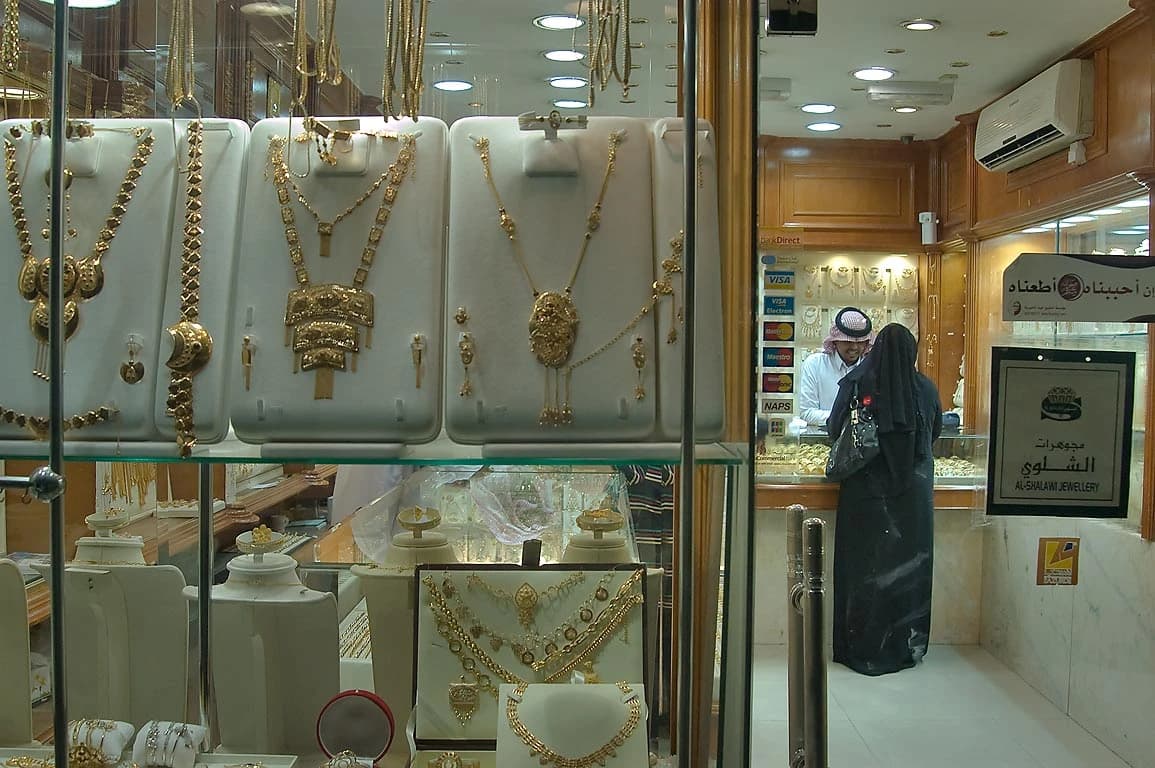
That matters because gold jewellery is not just a consumable asset in India; for many families it is a store of wealth, a cultural staple and a long-term financial cushion. When the replacement cost rises, the risk of loss rises too. That is why the insurance gap around jewellery is so important. Alliance Insurance Brokers estimates India’s jewellery industry is worth about Rs 4.7 lakh crore, while the jewellery insurance market is only Rs 250 crore to Rs 500 crore. For investors and households alike, that mismatch shows how underpenetrated protection still is.
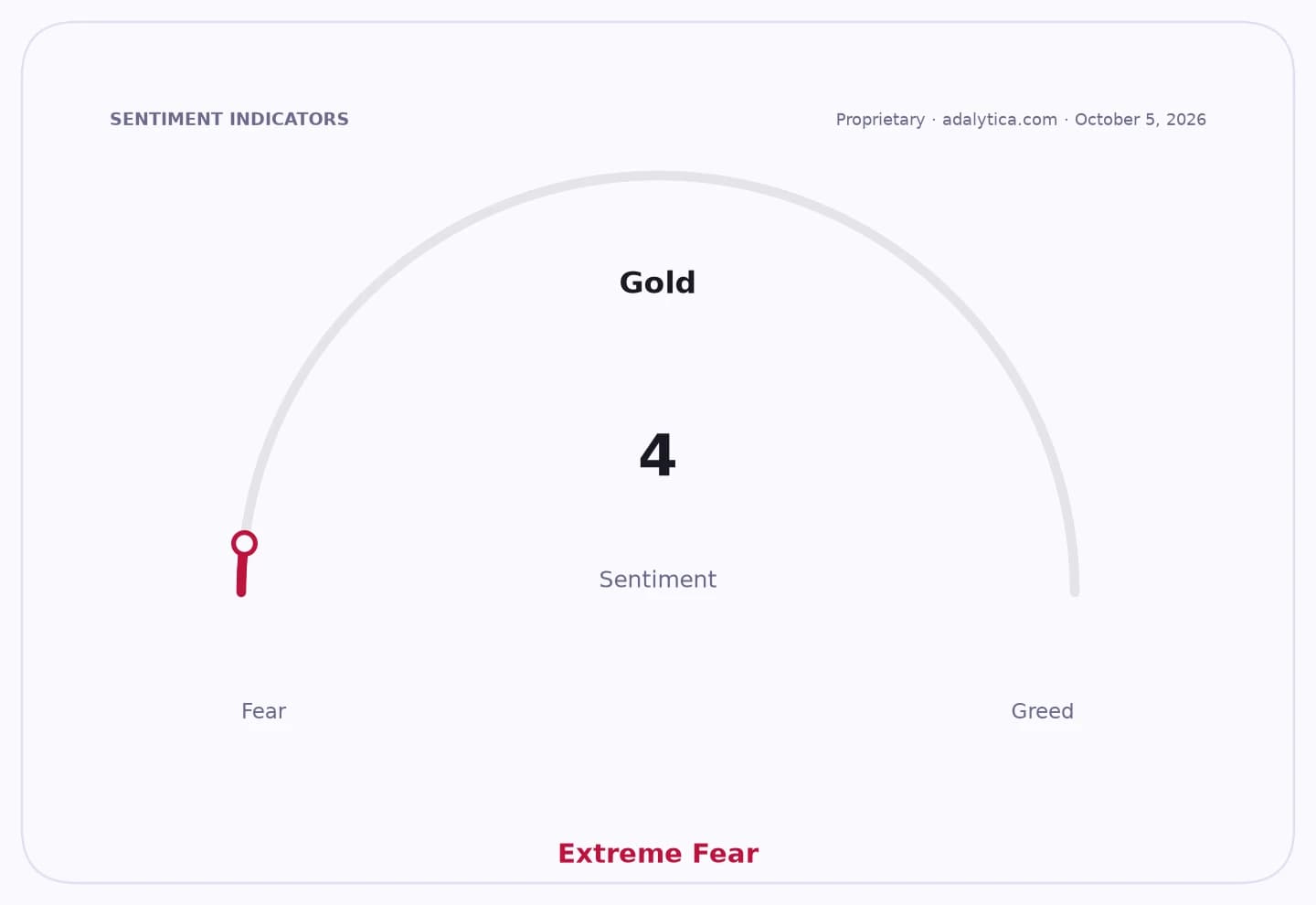
Sentiment Indicators
The timing is significant. Gold prices have been choppy, with global bullion slipping below $4,000 an ounce and domestic prices moving unevenly. In that kind of market, the value of a piece bought today may be very different from the cost of replacing it a year or two later. Higher bullion prices, shifting making charges and gemstone costs mean old policies can easily become too small to cover the real loss.
That is the key point buyers often miss. Home insurance does not automatically mean full jewellery coverage, and bank lockers are not a blanket guarantee either. Policies can include sub-limits, exclusions and conditions that matter only after something has gone wrong. If jewellery is worn outside the home, taken on a trip, stolen, damaged accidentally or lost in transit, the policy may or may not respond. The fine print matters more than the promise on the sales counter.
For investors, the economic angle is straightforward: the gold market is no longer just about the metal price, but about the total cost of ownership. A ring or necklace is only partly a bullion purchase. The rest is craftsmanship, stones, labour and sentiment — all of which have to be reflected in the insurance sum insured if a claim is ever to make you whole. That is why advisers say coverage should be based on current replacement value, not the old invoice amount.
Documentation is becoming just as important as the policy itself. Bills, hallmark records, gemstone certificates, photographs and valuation papers can speed up claims and help establish ownership. That may sound tedious, but for high-value jewellery it can make the difference between a smooth settlement and a frustrating dispute.
The bigger opportunity may lie in how the industry sells protection. Embedded insurance at the point of sale, through banks, NBFCs and other partners, could finally make jewellery cover more mainstream. That would be a useful development for consumers buying gold as both adornment and savings. Digital gold is also gaining traction, adding another layer to how Indian households think about ownership, risk and storage.
For long-term investors, the takeaway is simple: gold remains a resilient hedge, but buying jewellery without thinking about insurance is only half the job. If you are adding gold to your household balance sheet, make sure the protection matches the asset. It is worth watching, and for many buyers, worth adding to the checklist before the next purchase.
| Entity | Gains | Losses |
|---|---|---|
| Jewellery buyers | ▲Better protection from loss | ▼Surprise costs if underinsured |
| Insurers | ▲New premium opportunity | ▼Need to educate and simplify policies |
| Gold retailers | ▲More bundled sales via embedded cover | ▼More scrutiny on documentation and disclosure |
| Households with old policies | ▲Need to update coverage | ▼Exposed to replacement-cost gaps |