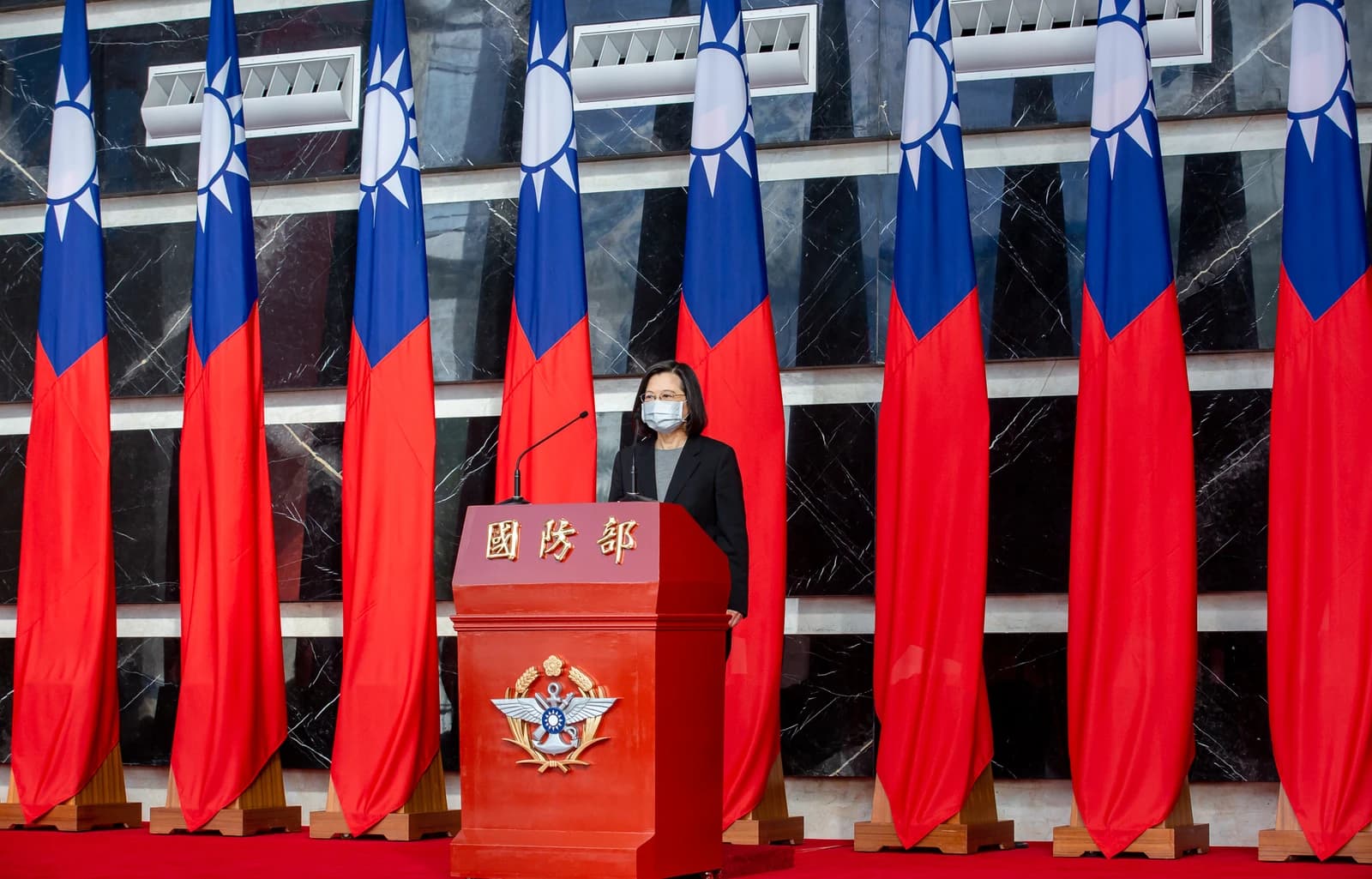
July 6, 2026 — India lifted most emergency restrictions on natural gas distribution after liquefied natural gas shipments through the Strait of Hormuz resumed, easing a supply shock that had forced New Delhi to prioritize essential users and underscoring the economy’s exposure to Middle East energy routes.
India lifts gas curbs as LNG flows resume
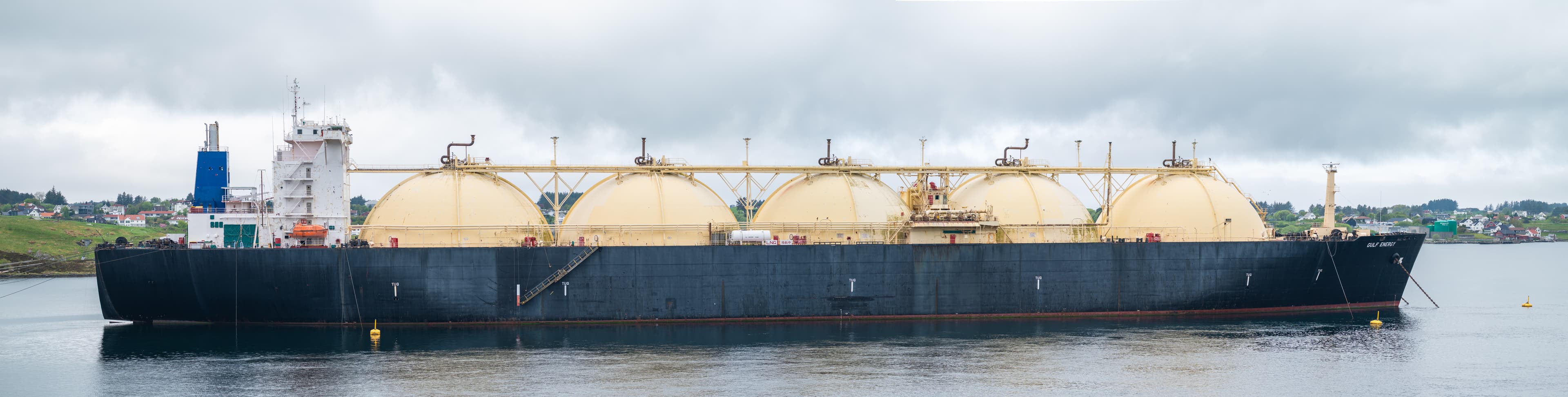
The Petroleum Ministry amended the Natural Gas (Supply Regulation) Order, 2026, removing provisions that gave priority allocation to essential consumers after LNG cargo deliveries normalized and additional cargoes were secured, according to the news context. The decision marks a return toward market-based allocation for gas-dependent industries, city gas distributors and importers after tensions between the U.S. and Iran threatened traffic through one of the world’s most important energy chokepoints.
Sentiment IndicatorsⓘProprietary · adalytica.com · July 6, 2026
This is a snapshot — live sentiment, awareness and momentum for 130+ markets update continuously in the dashboard.Open AlphaPulse
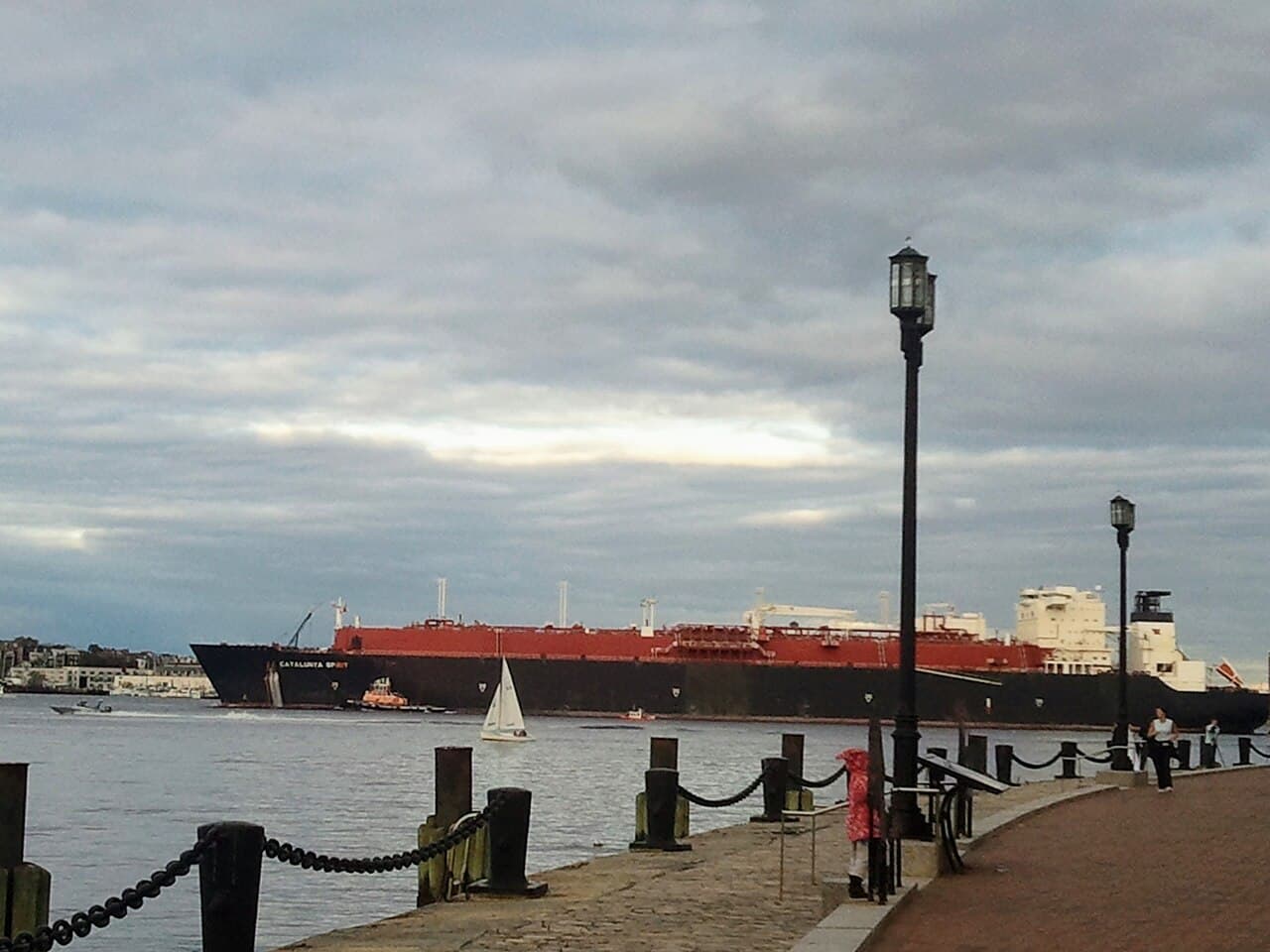
The economic relief is immediate but not complete. Restored LNG flows reduce the risk of rationing for industrial users and gas distribution companies, helping stabilize fuel availability for manufacturers, transport networks and urban households. Yet LNG prices have risen 16.17%, meaning the end of emergency curbs does not remove cost pressure from companies exposed to imported gas.
Markets have treated the normalization as a supply-positive development, though gas-linked Indian equities remain mixed. Petronet LNG closed at 275.95 rupees on July 3, just above its 50-day and 200-day moving averages near 274.5 and 275.0, respectively, suggesting investors had already priced in some recovery in cargo availability. GAIL ended at 174.15 rupees, above both its 50-day and 200-day averages, while Indraprastha Gas closed at 153.99 rupees, below its 50-day and 200-day averages, reflecting weaker sentiment toward city gas margins.
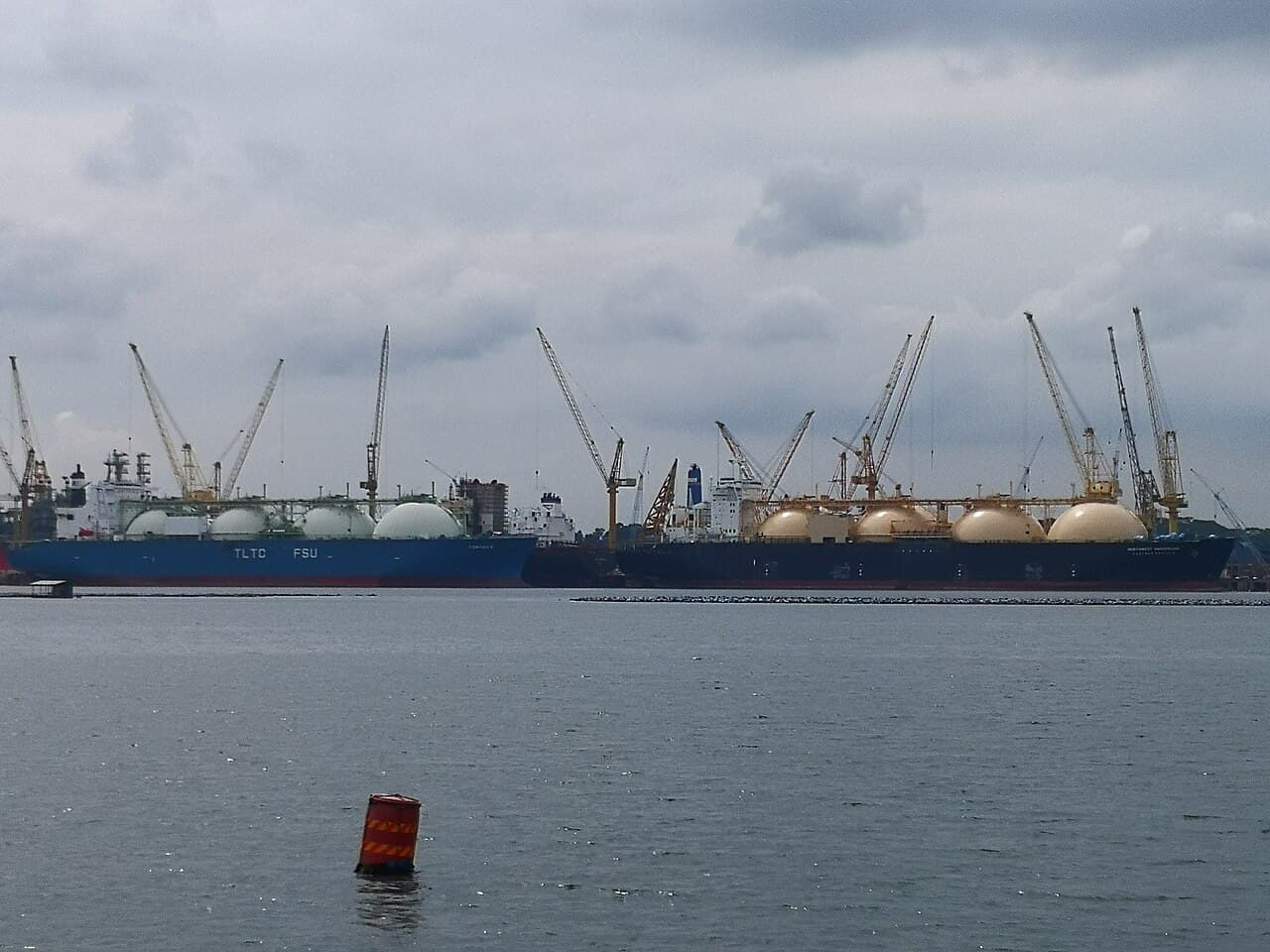
The divergence matters because the policy shift helps supply chains more than profitability. LNG importers and pipeline operators benefit from restored volumes, but city gas distributors and industrial consumers still face higher input costs if global spot prices remain elevated. Conventional technical indicators show GAIL holding stronger momentum than IGL, while Petronet is trading close to long-term support levels.
Geopolitical risk remains the constraint on any sustained re-rating. Adalytica.com’s proprietary natural gas market gauge showed sentiment at 11, labeled “Extreme Fear,” with awareness at 100, while its global stability sentiment gauge stood at 7, also “Extreme Fear,” signaling that traders remain highly alert to renewed disruptions even after Hormuz flows resumed. Shell has also warned that global LNG supply may remain stagnant in 2026 despite longer-term demand growth, leaving importers exposed to price spikes if Middle East tensions flare again.
For India, the lifting of curbs is a policy signal that the immediate supply emergency has passed. For investors, the next test is whether normalized cargo movement can translate into stable margins, or whether higher LNG prices and geopolitical risk keep gas distributors and importers trading on supply anxiety rather than demand growth.
| Entity | Gains | Losses |
|---|---|---|
| Industrial gas users | ▲Restored supply access | ▼Higher LNG-linked costs |
| Petronet LNG and GAIL | ▲Normalized volumes | ▼Volatile import prices |
| City gas distributors | ▲Fewer allocation curbs | ▼Margin pressure |
| LNG suppliers | ▲Resumed trade flows | ▼Lower scarcity premium |