India is leaning on the United States for more than half of its LPG imports after disruption fears around the Strait of Hormuz exposed how quickly Middle East supply can tighten and force buyers to reroute purchases.
India LPG imports shift toward US after Hormuz risks

That shift matters because LPG is a household essential in India, where millions of consumers rely on subsidized or regulated cylinders. A larger US share gives New Delhi an alternative to Gulf suppliers, but it also ties domestic cooking-fuel costs more closely to transatlantic freight, dollar strength and global energy pricing. For investors, the mix points to firmer import bills for state fuel distributors and a reminder that geopolitical shocks can ripple into inflation even when crude markets look contained.
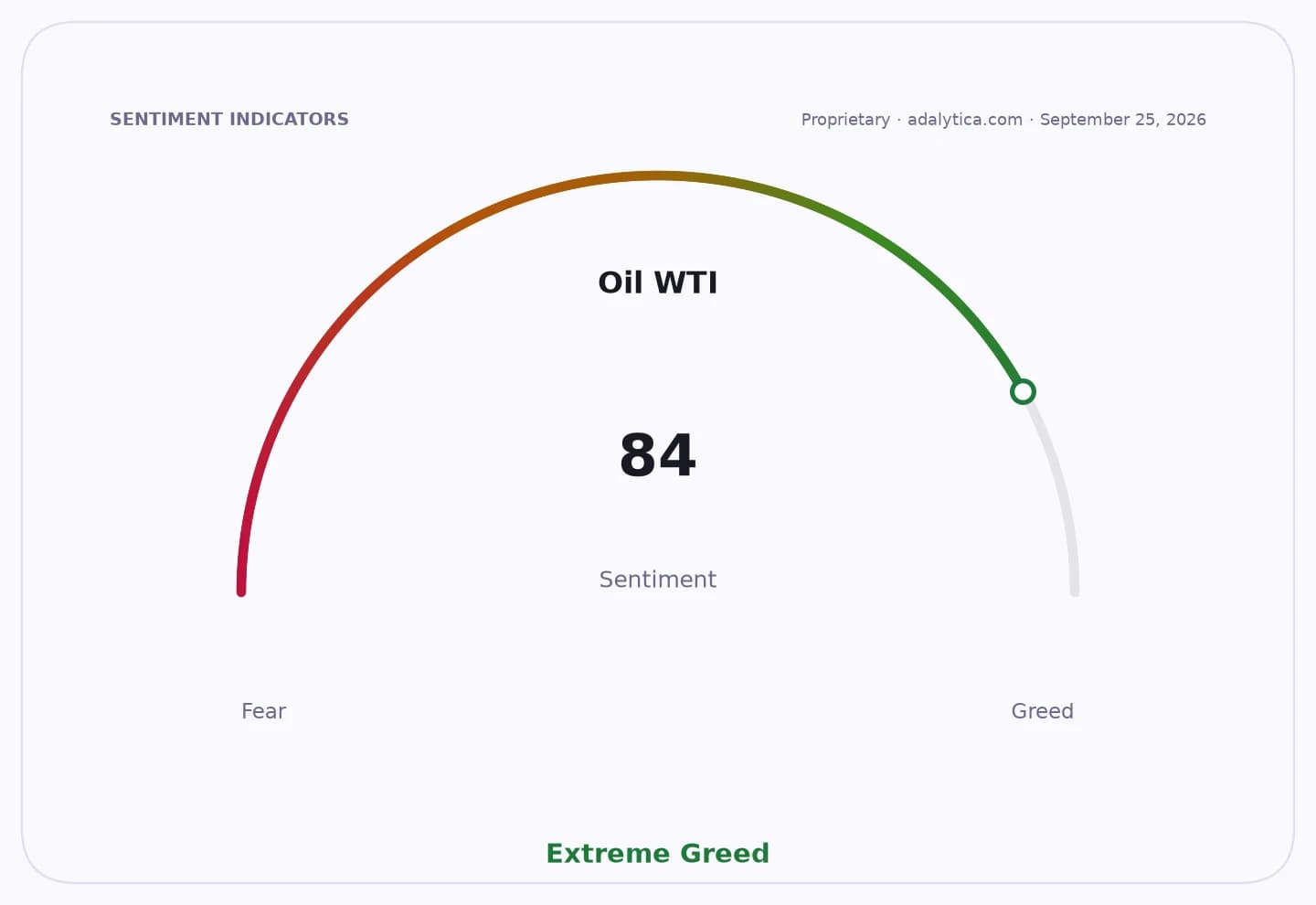
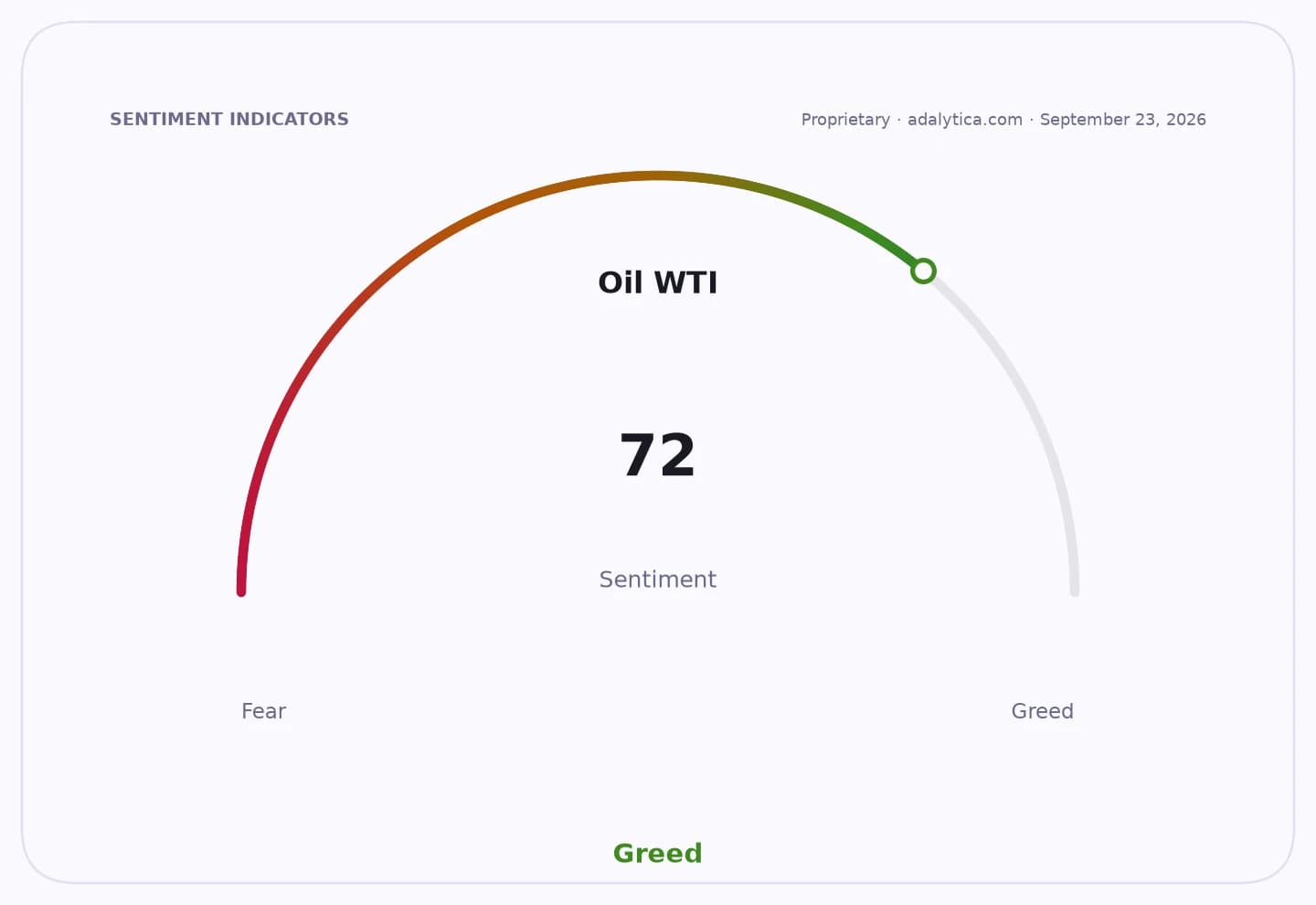
Sentiment IndicatorsⓘProprietary · adalytica.com · September 8, 2026
This is a snapshot — live sentiment, awareness and momentum for 130+ markets update continuously in the dashboard.Open AlphaPulse
Kpler and the Petroleum Planning and Analysis Cell data cited by local media showed India’s total LPG imports rose 14.5% in August from July, while demand climbed 3.2% to 2.42 million tonnes, the highest in six months. The US supplied 724,150 tonnes in August, down 25.8% from July but still more than 50% of the country’s total LPG imports.
At the same time, Gulf volumes rebounded sharply. Imports from the Gulf nearly doubled on the month, lifting the region’s share of India’s LPG imports to 29.7% from 16.4% in July. The UAE shipped 198,860 tonnes, up 94.9%, while Kuwait and Qatar also increased deliveries.
The pattern underlines how India is diversifying its LPG supply base rather than replacing one source with another. That is positive for energy security, but it is not cost-free. US cargoes typically travel farther than Middle Eastern shipments, adding freight sensitivity to the import bill, and any sustained rise in dollar-denominated fuel costs would feed into the finances of oil marketing companies and, eventually, consumer pricing.
For investors, the key question is whether August was a one-off response to disruption in the Gulf or the start of a more durable procurement shift. If Hormuz-related risks persist, India’s LPG basket could remain more globally diversified, but with less pricing stability. If Gulf supply normalizes further, the US share may fall back — yet the episode has already shown how vulnerable the market remains to geopolitical shocks.
| Entity | Gains | Losses |
|---|---|---|
| US LPG exporters | ▲Higher India demand | ▼Less volume if Gulf supply normalizes |
| Indian consumers | ▲Better supply security | ▼Higher cylinder costs |
| Indian oil marketers | ▲Diversified sourcing | ▼Bigger import bill |
| Gulf suppliers | ▲Recovered shipments | ▼Lost share to US cargoes |