India’s oil ministry is moving to centralise research and development planning across the country’s state-run oil sector, a policy shift that could redirect funding, reduce duplicate projects and speed commercialisation in areas from catalysts to carbon capture.
India oil ministry centralizes state oil R&D planning
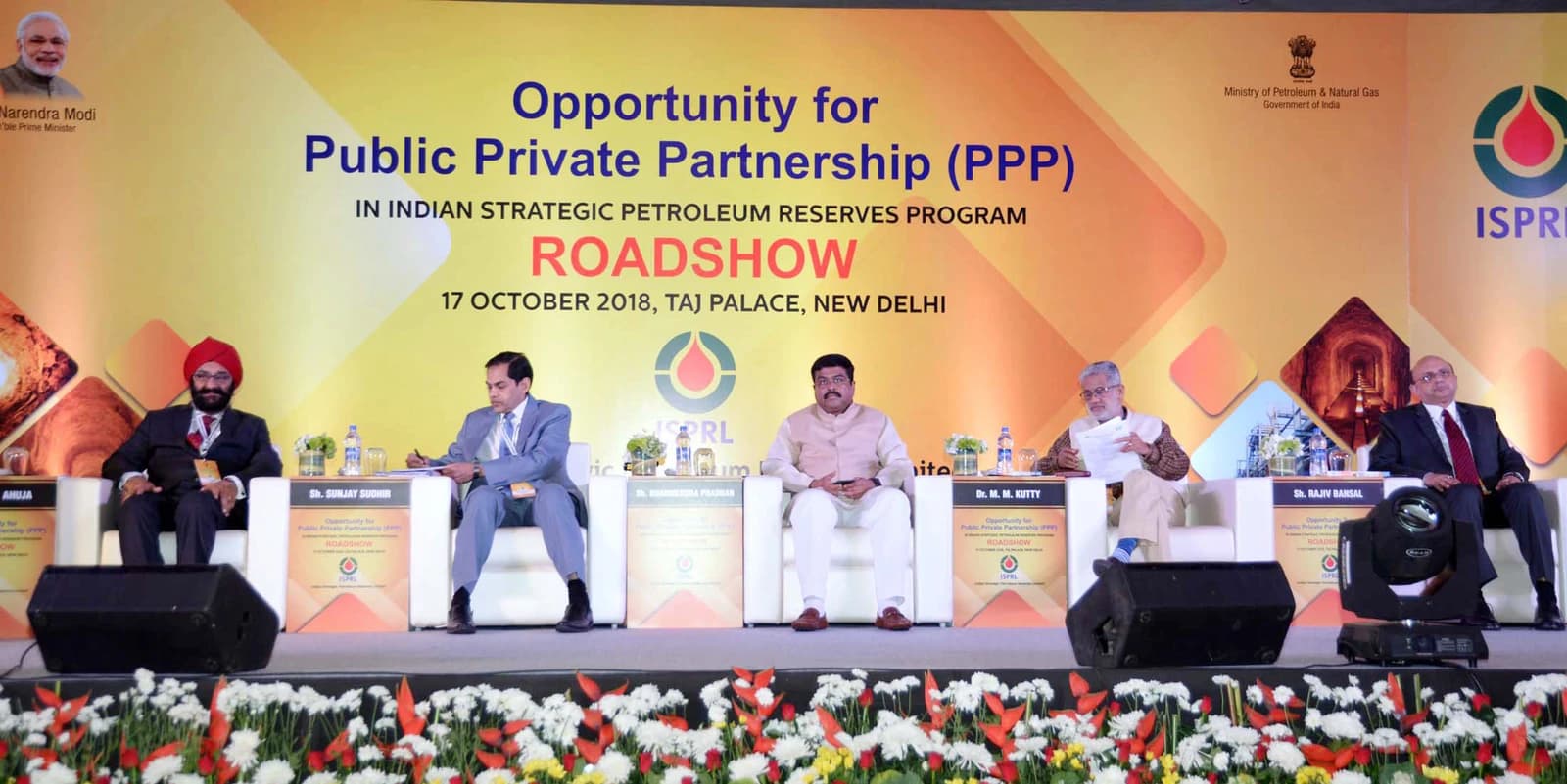
The proposal would make the ministry’s Centre for High Technology the Central R&D Coordination Mechanism, while state oil companies keep ownership and execution of their own projects. That structure is meant to create a layered governance system that aligns spending with national priorities without stripping companies of control over in-house research.
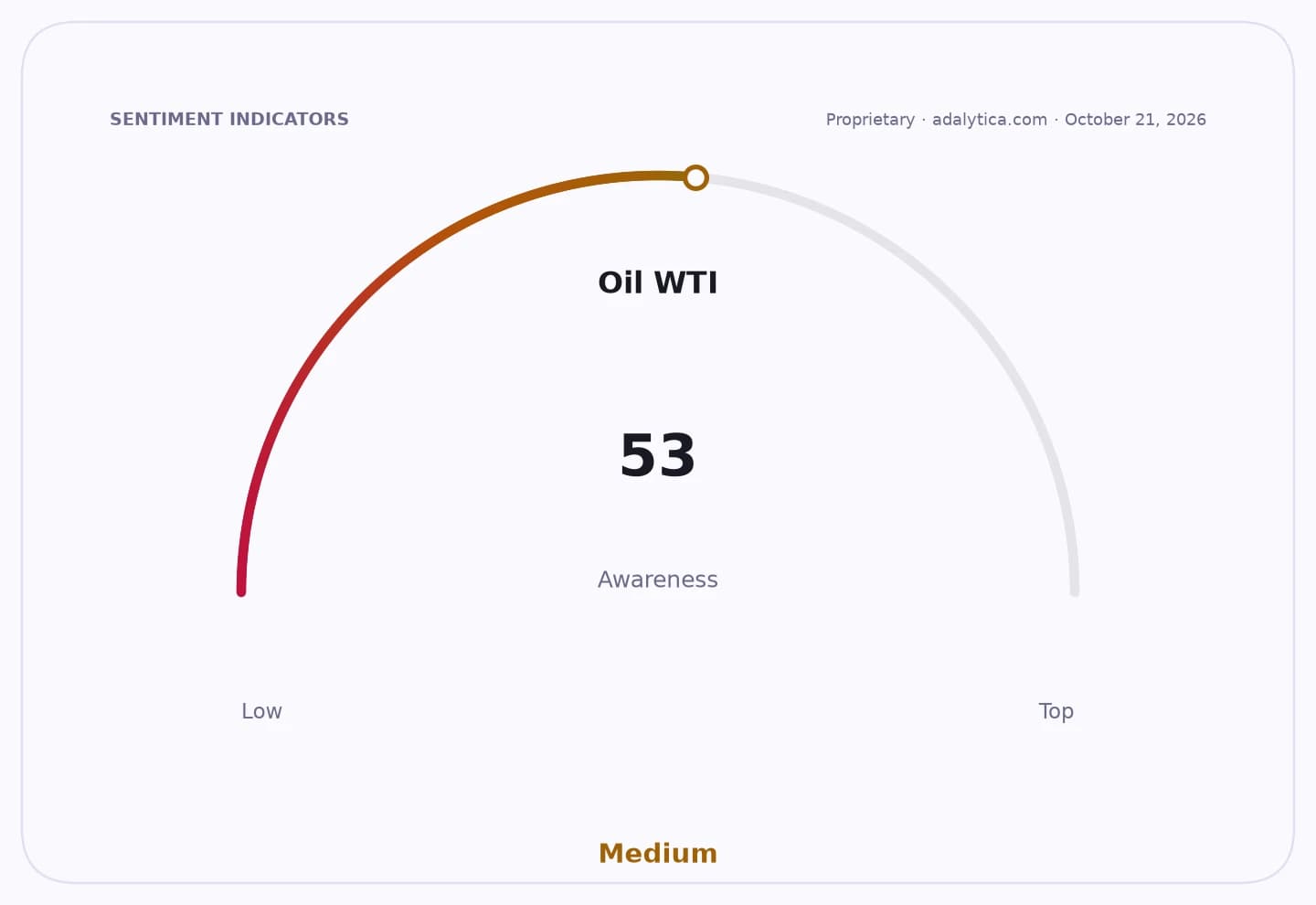
Sentiment IndicatorsⓘProprietary · adalytica.com · October 6, 2026
This is a snapshot — live sentiment, awareness and momentum for 130+ markets update continuously in the dashboard.Open AlphaPulse
For investors, the change matters because the oil and gas industry is capital intensive and increasingly judged on how efficiently it deploys every rupee of investment. A central coordination layer could improve returns on R&D spending, sharpen technology selection and help India’s state energy firms move faster on fuel efficiency, digital tools, compressed biogas and carbon capture, utilisation and storage.
The ministry has already framed the initiative around indigenous technology, future-energy leadership and commercialization-led innovation after consulting with PSU leadership and research heads in May. Under the draft, state firms would focus on areas such as fuel grades and energy efficiency, while private companies could take on process technologies and catalysts, startups on energy analytics and national centres of excellence on AI, CBG and CCUS.
The timing also reflects a broader industry push to lower operating costs and build domestic capabilities as oil markets remain volatile. Brent and U.S. crude have swung sharply in recent months, and energy equities have also been whipsawed by changing expectations for demand, rates and geopolitical supply risk.
The plan could also open more space for private vendors, universities and startups to plug into India’s upstream and downstream technology pipeline, potentially creating new procurement and partnership opportunities. For state-owned oil firms, the challenge will be balancing coordination with autonomy and proving that central oversight speeds innovation rather than adding another layer of bureaucracy.
| Entity | Gains | Losses |
|---|---|---|
| Oil ministry / Centre for High Technology | ▲Greater oversight, less duplication | ▼More governance responsibility |
| State-owned oil firms | ▲Clearer R&D priorities | ▼Some autonomy in project steering |
| Private tech firms, startups, academia | ▲More entry points for partnerships | ▼Less room for siloed deals |
| Investors in Indian energy | ▲Potentially higher R&D efficiency | ▼Execution risk if coordination slows projects |