India is set to lower provident fund contributions on salaries up to ₹25,000, a move that will increase monthly pay for roughly 51 lakh workers while trimming retirement savings flows and easing payroll costs for employers.
India PF Contribution Cut Raises Take-Home Pay

The change matters because it shifts income from long-term savings into current consumption at a time when policy makers are trying to support demand without resorting to broad-based fiscal stimulus. For lower- and middle-income employees, a smaller PF deduction translates into a higher cash salary every month. For companies, especially in labor-intensive sectors, the reform reduces wage-linked obligations and can improve near-term staffing flexibility.
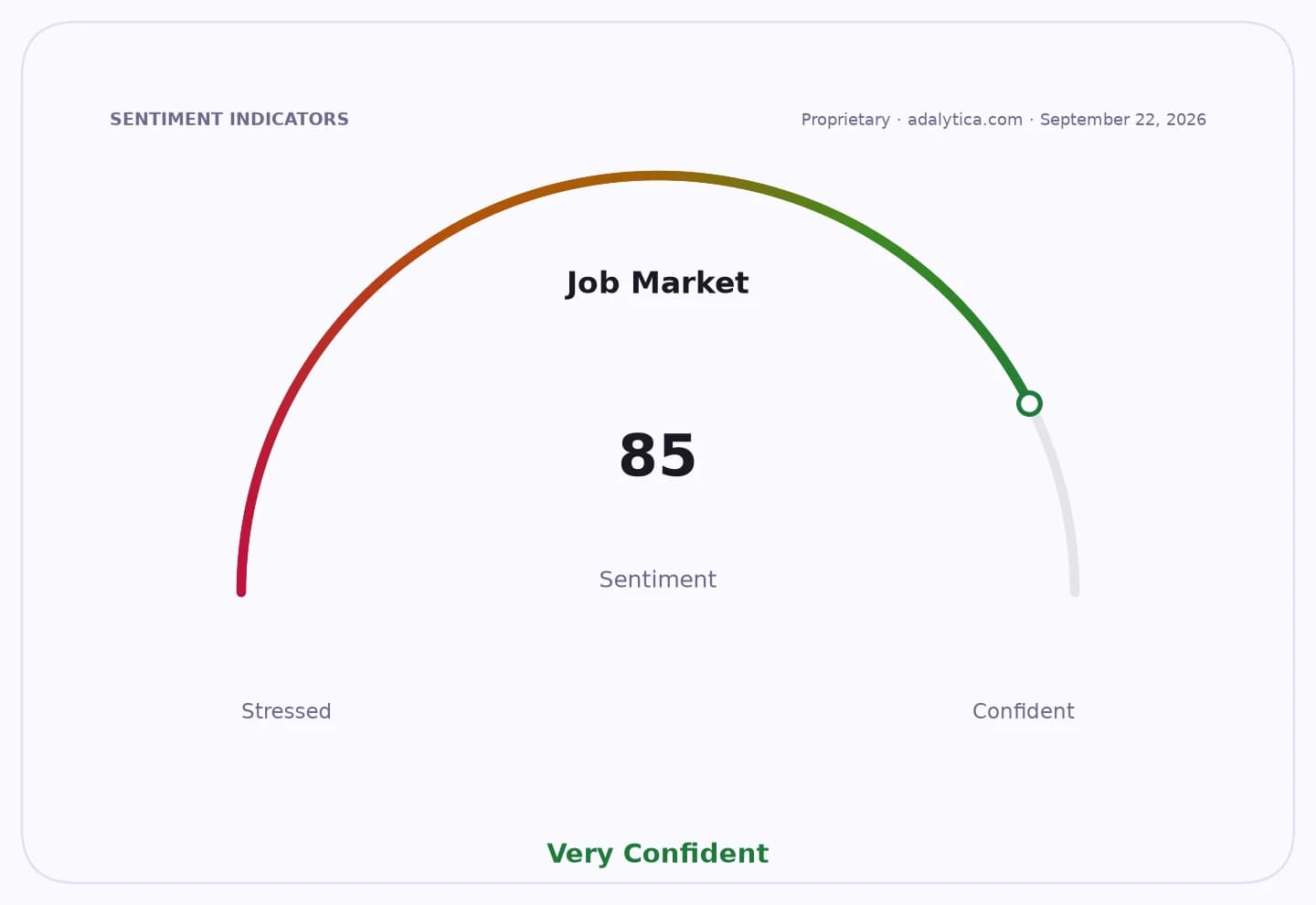
Sentiment IndicatorsⓘProprietary · adalytica.com · September 17, 2026
This is a snapshot — live sentiment, awareness and momentum for 130+ markets update continuously in the dashboard.Open AlphaPulse

The immediate economic effect is likely to be modest but broad. Workers in the eligible salary band tend to have a high propensity to spend, so even a relatively small increase in take-home income can feed through to retail demand, services and discretionary purchases. That makes the measure relevant for consumer-facing businesses, even if the aggregate boost to GDP is limited.
The trade-off is on the savings side. EPF-style contributions are a core part of India’s formal retirement system, and reducing the contribution base can slow the accumulation of household financial assets over time. That may be acceptable in the short run if the objective is to support incomes and employment, but it also raises questions about whether workers will save the difference on their own.

For investors, the policy is most relevant in three places. First, it is mildly positive for consumption-linked names that benefit from stronger disposable income. Second, it eases cost pressure for employers with large entry-level payrolls, including manufacturing, logistics, retail and other labor-heavy industries. Third, it is a reminder that policy makers are willing to use targeted household-income measures to support growth, which can matter for rate-sensitive assets if the change feeds into a firmer demand backdrop.
The downside case is that the reform may be too small to move macro data in a meaningful way, while also weakening a key compulsory savings channel. If wages stay under pressure or inflation picks up, the extra cash flow could be absorbed by higher living costs rather than spending. But in the near term, the balance of effects points to a modest boost for consumption and a small relief for employers, at the cost of lower retirement contributions.
| Entity | Gains | Losses |
|---|---|---|
| Eligible workers | ▲Higher take-home pay | ▼Lower retirement savings |
| Employers | ▲Lower payroll burden | ▼Less contribution-linked retention |
| Consumer firms | ▲Stronger spending demand | ▼Limited direct downside |
| Long-term savers | ▲— | ▼Smaller EPF accumulation |