India’s steep drop in poverty is becoming one of the most important long-term investment stories in the world’s fastest-growing major economy, because it points to a larger, more durable consumer base and a broader expansion in formal work and purchasing power. Prime Minister Narendra Modi on Sunday praised a World Bank report saying India has cut extreme poverty from 27.1% in 2011 to 2.6% in 2023, a decline that the report says lifted about 496 million people above the threshold.
India Poverty Falls as Consumer Market Expands
That matters far beyond politics. For investors, a country that can move nearly half a billion people out of extreme poverty is not just reducing hardship — it is building a larger addressable market for everything from food and staples to housing, banking, telecom, autos and discretionary spending. The World Bank said India’s poverty reduction has also been accompanied by a sharp fall in inequality, with the country’s Gini index dropping to 23.0 from a level more than 20% higher, underscoring that gains have not been limited to a narrow slice of the population.
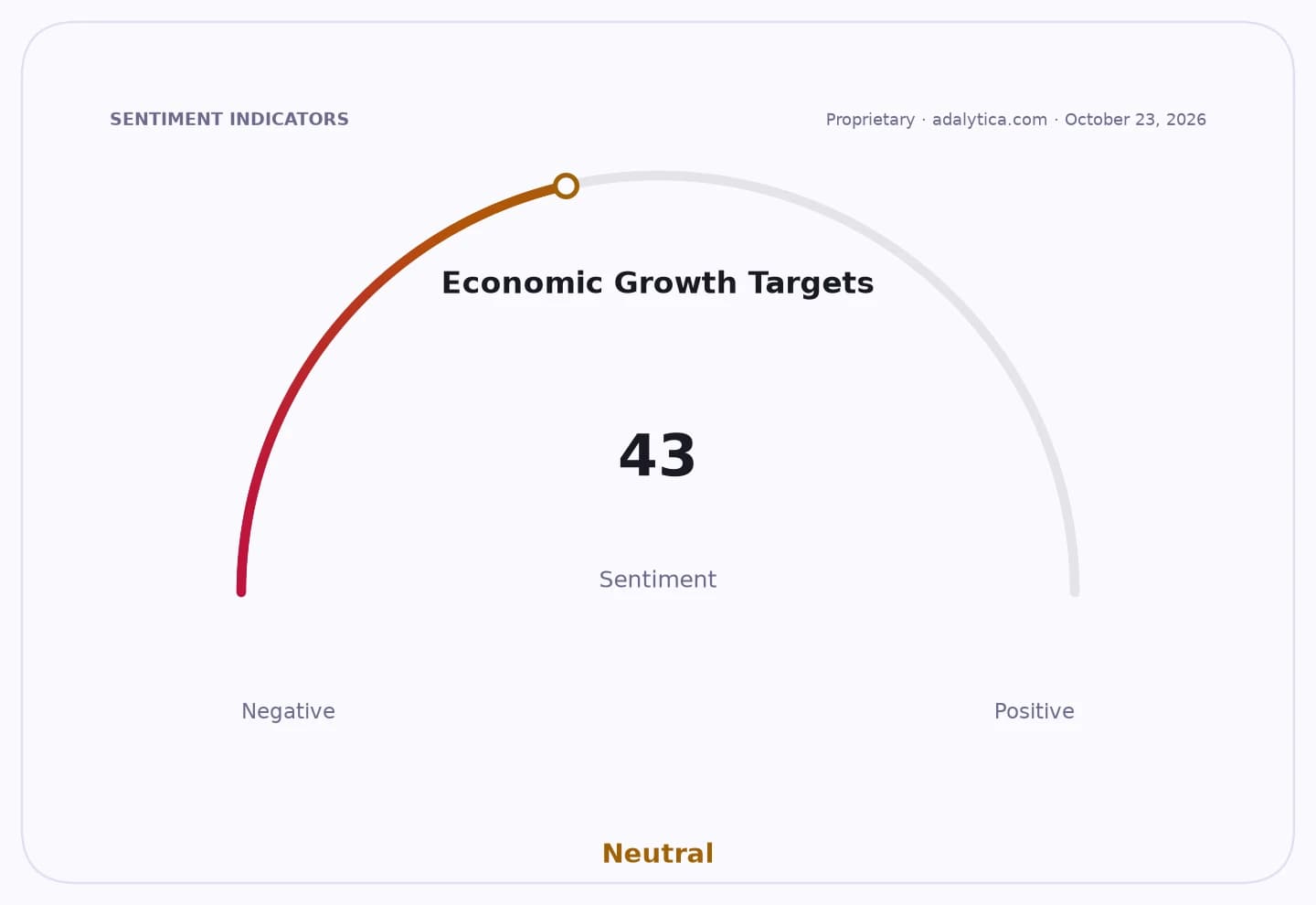
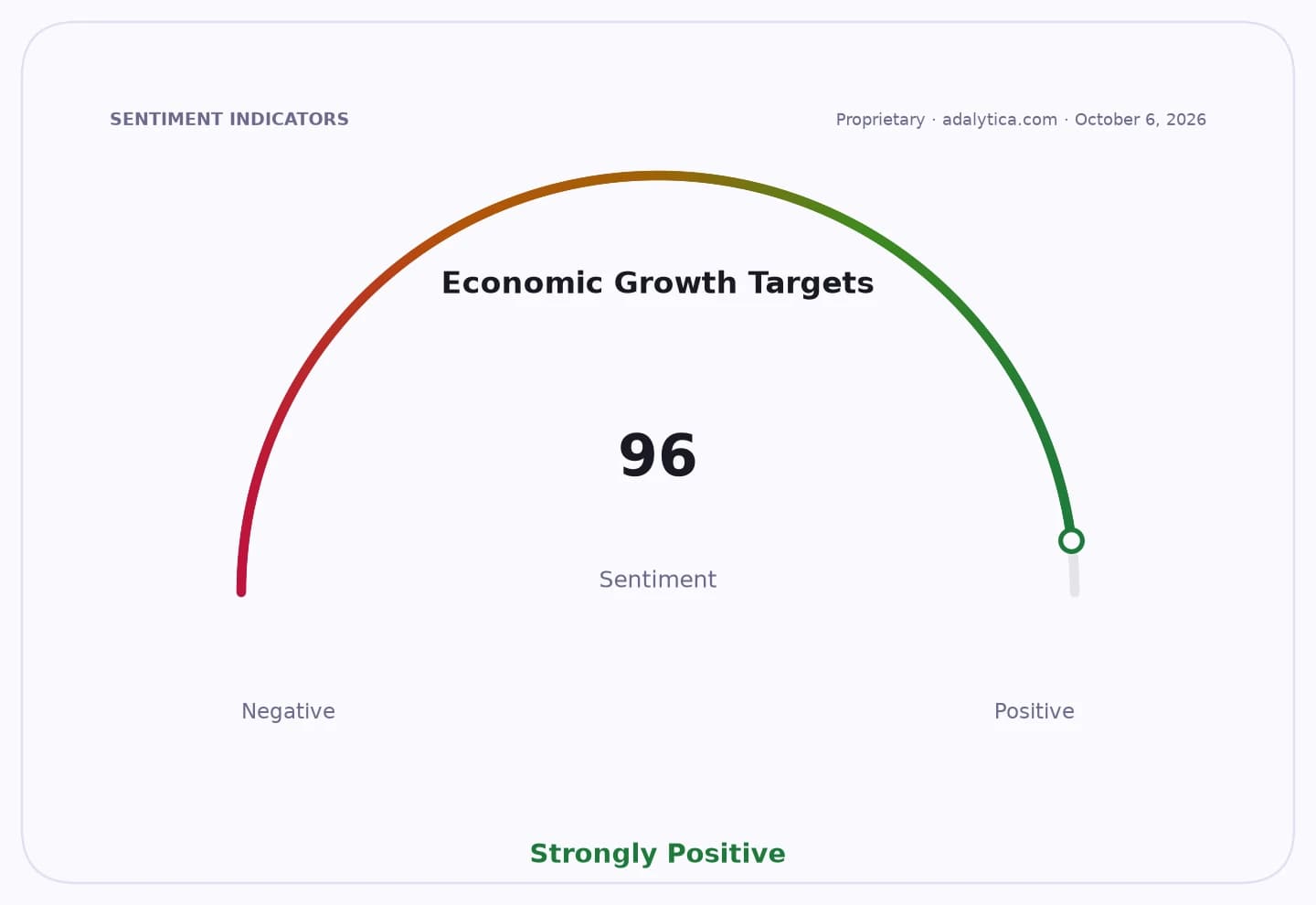
Sentiment Indicators
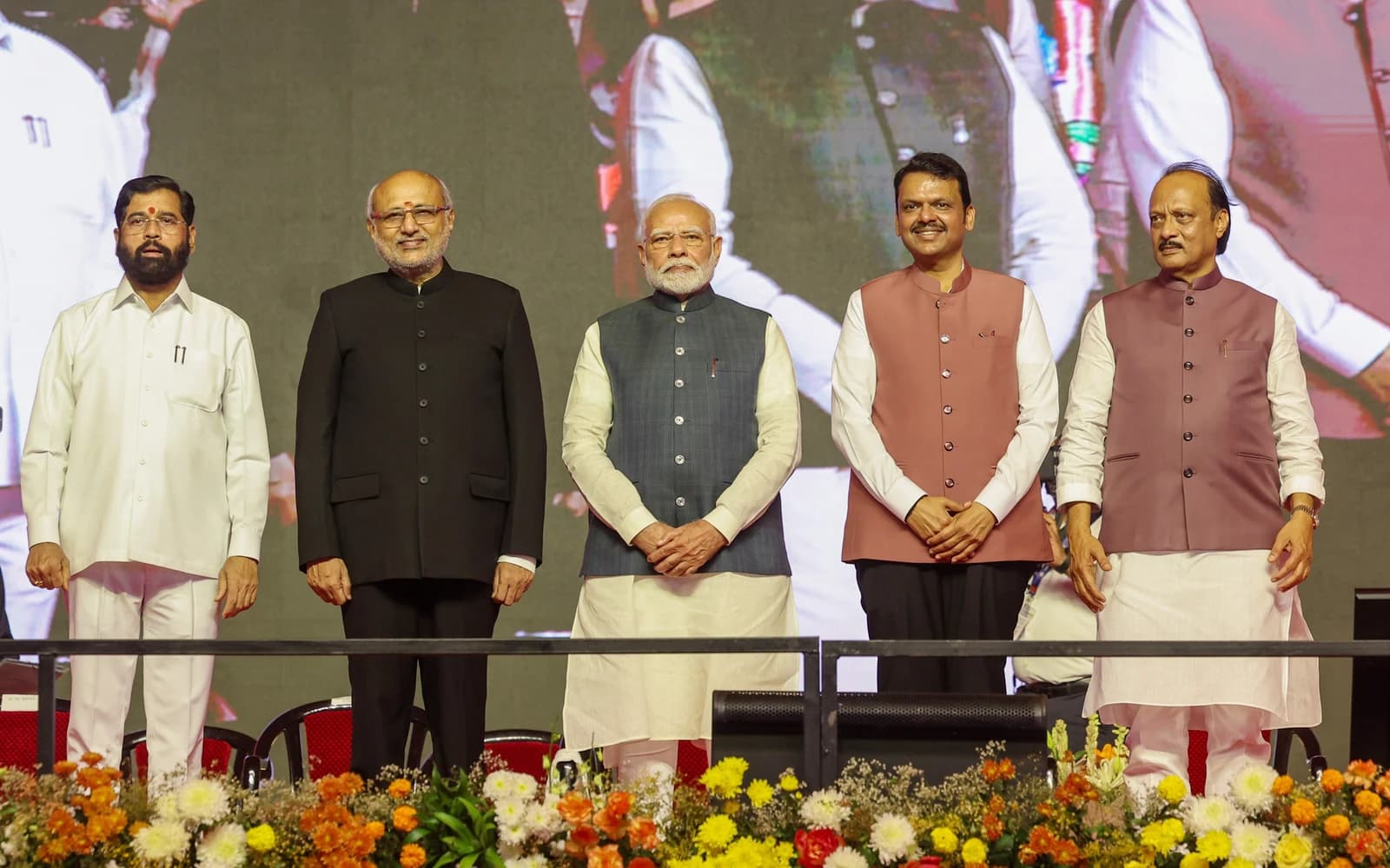
Modi used the report to argue that his government’s anti-poverty push has been more than a slogan, contrasting it with Congress’s long-running “garibi hatao” campaign. That political framing matters because poverty reduction, when sustained, changes the investment backdrop: more households can save, borrow, insure, spend and climb the income ladder. India’s working-age population has also been expanding, and the prime minister said employment rose by 134 million in six years — a key ingredient if the poverty gains are to stick.
The World Bank’s own language is important too. It says India made progress across both monetary and non-monetary measures of deprivation, suggesting this is not just a statistical one-off tied to inflation or one-time transfers. The report uses a 2021 purchasing power parity basis and sets the lower-middle-income poverty line at $4.20 a day, with extreme poverty at $3 a day, which means the shift is being measured against a globally comparable benchmark.
For investors, the big takeaway is that India’s growth story is increasingly about breadth, not just headline GDP. A broader middle class can support more resilient corporate earnings over time, especially for domestic-facing businesses and exchange-traded funds such as the iShares MSCI India ETF. At the same time, the World Bank’s caution on inequality and job security is a reminder that this is a long game: poverty reduction can be real and still leave plenty of room for better-paying jobs, stronger productivity and deeper financial inclusion.
India’s consumer and investment narrative is still being written, but this report strengthens the case that the country’s long-term runway remains intact. For patient investors, that makes India worth watching closely — and worth keeping in a diversified portfolio for the years ahead.
| Entity | Gains | Losses |
|---|---|---|
| India’s consumers | ▲higher spending power | ▼extreme poverty burden |
| Domestic companies | ▲larger market over time | ▼narrow demand base |
| Modi government | ▲stronger economic narrative | ▼critics of welfare delivery |
| Inequality-reduction story | ▲lower Gini reading | ▼status quo disparities |