India’s successful test of its home-grown Pralay quasi-ballistic missile underscores how quickly Asia’s security landscape is hardening — and why investors should keep a close eye on the defense companies that stand to benefit from a longer cycle of weapons modernization.
India Tests Pralay Missile Off Odisha
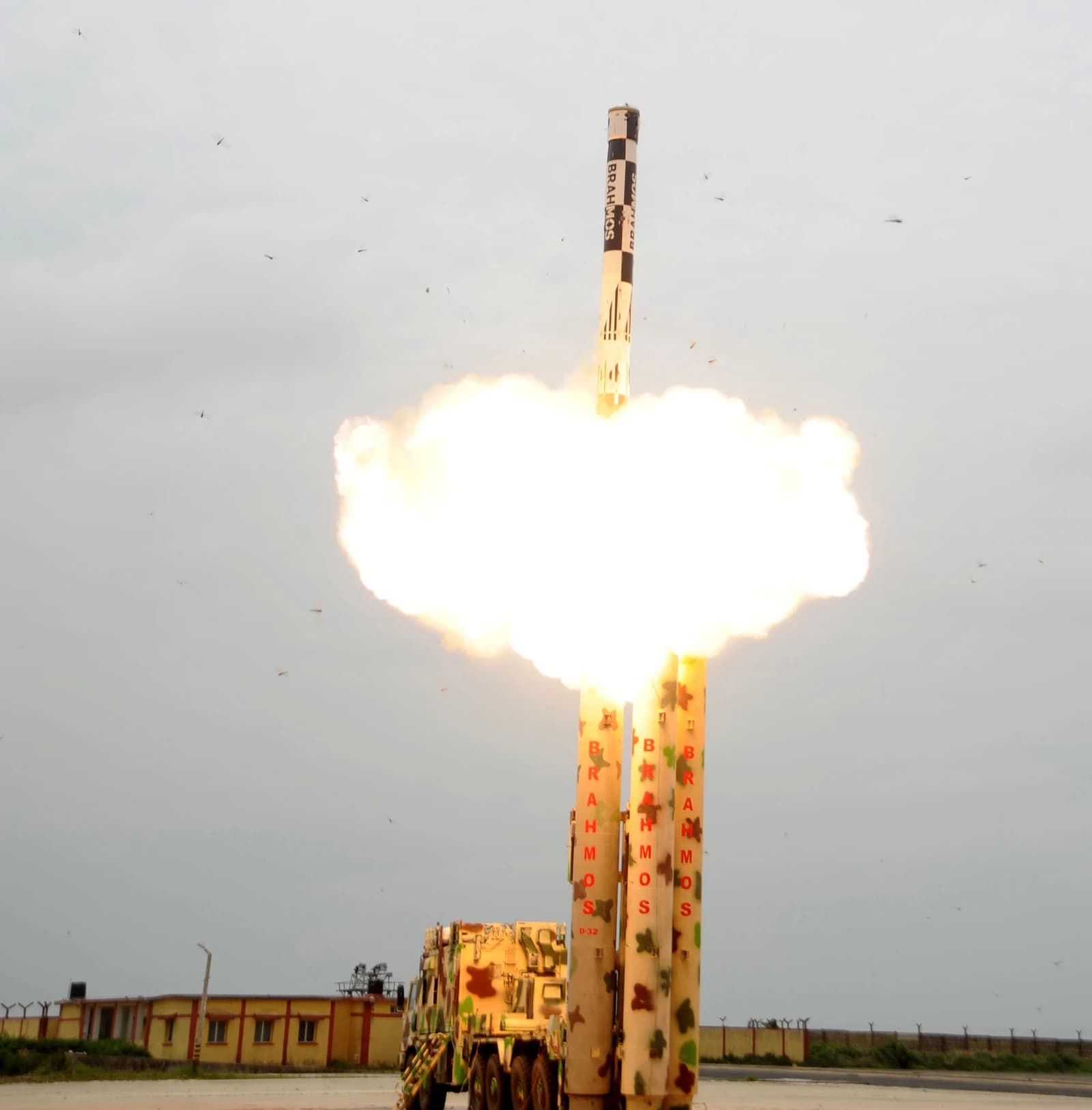
New Delhi said the test, carried out off the coast of Odisha on Nov. 5, was part of pre-induction evaluation work and that all mission objectives were met. For India, the point is not just another missile launch. It is proof that the country is pushing toward a more flexible, mobile strike capability at a time when regional tensions and missile defense planning are becoming central to military strategy.
Pralay is designed to maneuver in flight and change trajectory, making it harder to intercept than a conventional ballistic missile. It carries a non-nuclear warhead of 350 kilograms to 700 kilograms and is intended to hit targets such as communication hubs, air-defense systems and military airfields at ranges of 150 kilometers to 500 kilometers. In plain terms, India is adding a weapon built for rapid retaliation and battlefield suppression — the kind of system that can shape deterrence without crossing the nuclear threshold.
That matters economically because defense modernization is no longer a discretionary political talking point. It is a durable spending theme. Countries facing security pressure tend to keep buying missiles, sensors, launch systems and air-defense assets for years, not quarters. For global contractors, that creates a structural tailwind in programs tied to missile defense, strike systems and battlefield resilience.
The market’s natural read-through runs to the major U.S. defense names that dominate the missile ecosystem, including Lockheed Martin, Northrop Grumman and RTX. Lockheed has already said in recent filings that it entered multi-year contracts intended to increase production and speed deliveries of PAC-3 MSE and THAAD systems. Northrop’s backlog remains substantial, while RTX continues to benefit from demand for missile defense and air-defense offerings such as Patriot GEM-T and NASAMS-related work. None of that means one Indian test will move these stocks on its own, but it reinforces the broader investment case: missile proliferation tends to support recurring demand for interceptors, guidance systems, launch platforms and sustainment.
Investors should also see the strategic symmetry. India is building a more survivable strike force at the same time its neighbors and regional rivals are investing in better defenses. That dynamic usually leads to more procurement, more upgrades and more long-term spending commitments. In defense markets, those are exactly the ingredients that can translate into backlog growth, better pricing power and steadier cash flow.
There are risks, of course. A higher-profile missile posture can deepen regional tension and invite countermeasures, while defense procurement remains vulnerable to budget cycles and political delays. But the long-term direction is clear: as Indo-Pacific security competition intensifies, missile systems are moving from niche capability to core deterrent.
For long-term investors, the takeaway is simple. India’s Pralay test is another reminder that the global defense buildup is not over. If you own diversified aerospace and defense names, this is a trend worth holding for years — not trading for days.
| Entity | Gains | Losses |
|---|---|---|
| India / DRDO | ▲Stronger deterrence | ▼Higher defense burden |
| Missile contractors | ▲More demand for strike and defense systems | ▼Greater competition |
| Regional rivals | ▲N/A | ▼More complex air-defense planning |
| Long-term defense investors | ▲Backlog and spending tailwind | ▼Near-term headline risk |