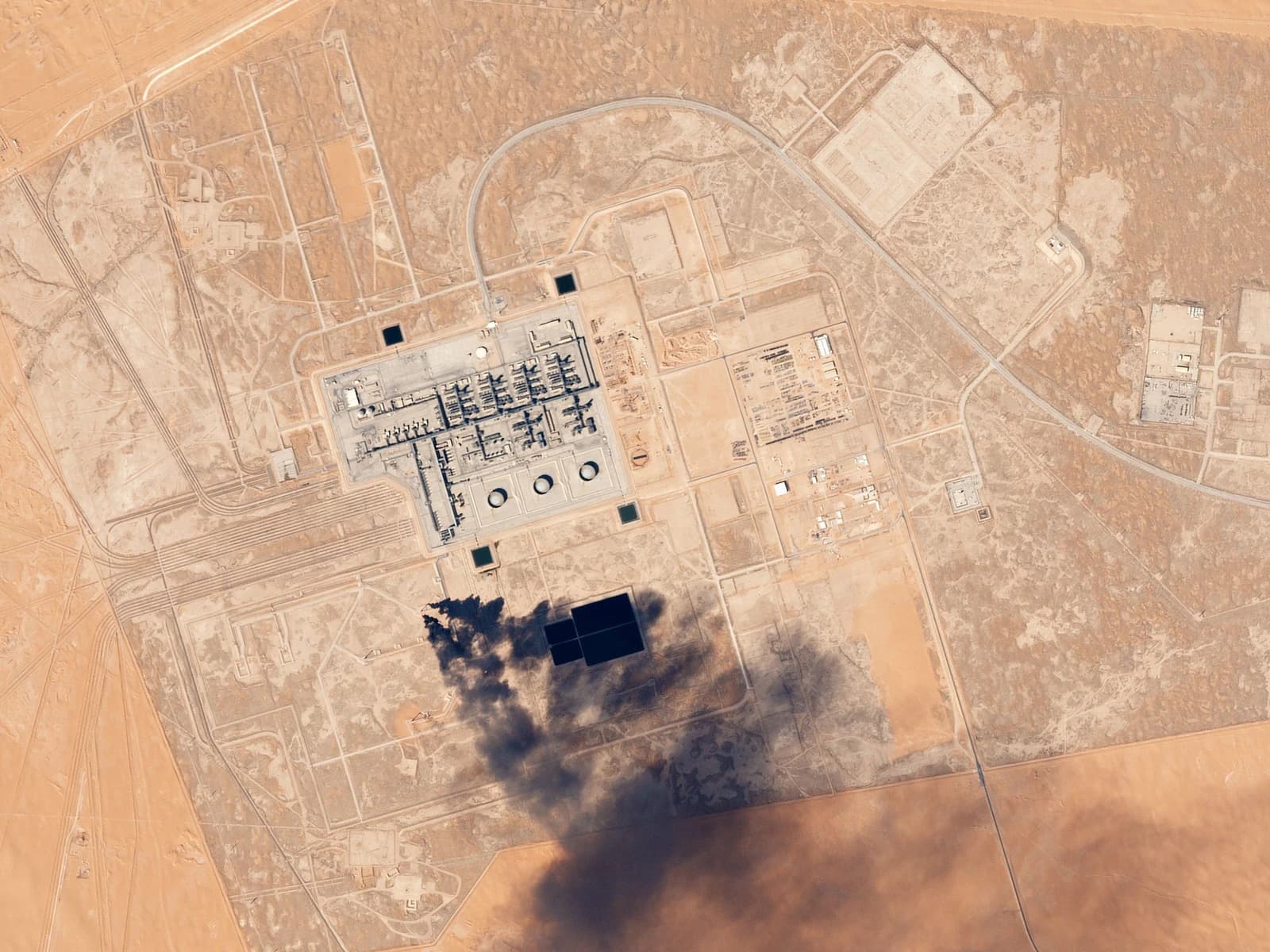
A drone attack near Saudi Arabia’s Shaybah oilfield that killed two foreign nationals and injured an Indian worker is another reminder that cheap, unmanned weapons are now a direct threat to energy infrastructure, shipping routes and the workers who keep the global economy running.
Saudi Drone Attack Lifts Missile Defense Stocks
For India, the lesson is not abstract. As a major importer of energy and a country with large numbers of citizens working across the Gulf, it has a direct economic and human stake in how quickly the region can harden defenses against drones, missiles and other low-cost aerial threats. When intercepted debris can still spark a fire at a critical oilfield, the cost of poor protection is measured not just in security headlines but in disrupted supply chains, higher insurance costs and the risk premium on the world’s most important energy flows.
That is why the defense names linked to missile interception matter. Lockheed Martin, Northrop Grumman and RTX have all been trading near technically stretched levels after a strong run, with the stocks showing elevated relative-strength readings and, in some cases, prices far above their 50-day moving averages. Investors are already pricing in sustained demand for interceptors, air defenses and related systems as governments respond to a more dangerous mix of drones, rockets and asymmetric warfare. Lockheed has continued to win multi-year work tied to PAC-3 MSE and THAAD production, while RTX has highlighted demand for Patriot GEM-T interceptors and other missile programs in recent filings. Northrop, meanwhile, has been navigating a more uneven path, but the broader defense backdrop remains supportive.
The economics are straightforward. The Gulf’s energy infrastructure is vital to India’s growth story, and every new demonstration of drone reach reinforces the need for layered air defense. That supports a long investment runway for contractors that build sensors, interceptors and command systems, especially as allies in the Middle East look to upgrade protection around refineries, pipelines and export terminals. It also underscores why India can’t rely solely on foreign suppliers over the long term. If it wants to protect its own cities, ports and strategic assets, it must accelerate domestic procurement, tighten defense readiness and deepen partnerships that bring technology transfer rather than just hardware.
There are risks, of course. Defense stocks can move quickly on headlines and can get expensive when the market gets enthusiastic about every geopolitical flare-up. But the underlying trend is bigger than one incident. Autonomous weapons and cheap drones are changing the security equation, and the countries that invest early in counter-drone systems, air defense networks and resilient industrial infrastructure should be better positioned for the next decade.
For investors, the takeaway is simple: the world is entering a prolonged cycle of defense modernization, and that is a secular theme worth owning. The companies that can supply reliable missile defenses, integrated sensors and advanced interception systems should keep benefiting as governments from the Middle East to Asia respond to a more contested sky. For long-term portfolios, this is a space to watch closely and, over time, to consider as part of a diversified holding set.
| Entity | Gains | Losses |
|---|---|---|
| Missile defense contractors | ▲Higher demand for interceptors | ▼Supply bottlenecks |
| India | ▲Stronger case for air defense spending | ▼Greater exposure to Gulf instability |
| Saudi energy sector | ▲Faster security upgrades | ▼Higher operating risk |
| Drone attackers | ▲Lower cost per strike | ▼More counter-drone investment |