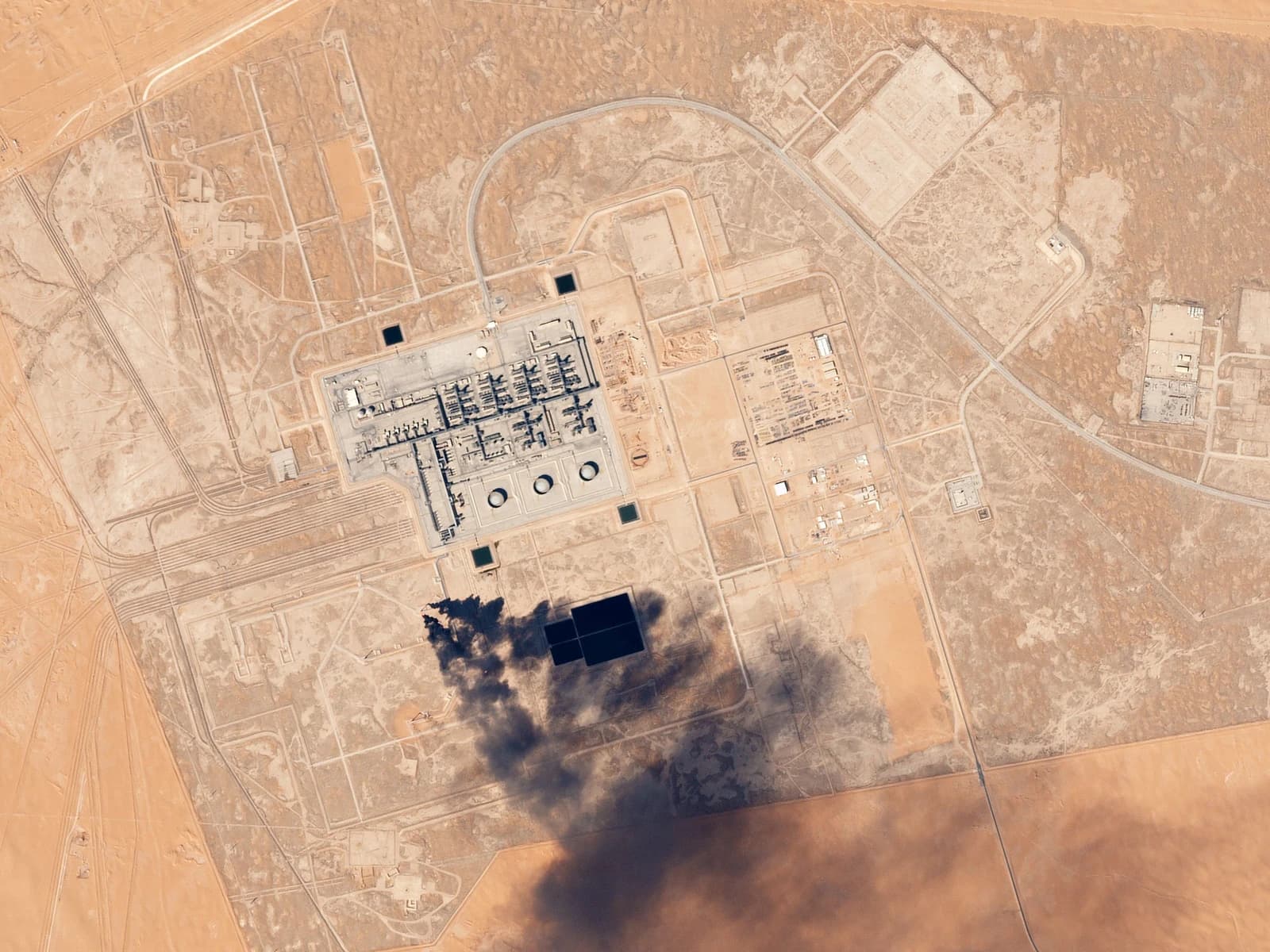
Saudi Arabia said a drone intercepted by its air defenses sent shrapnel into an Aramco field in the Eastern Province, killing two residents and injuring two others, underscoring the continuing risk to civilians and energy infrastructure as Houthi attacks on the kingdom intensify.
Saudi Arabia Drone Strike Kills 2 Near Aramco Field
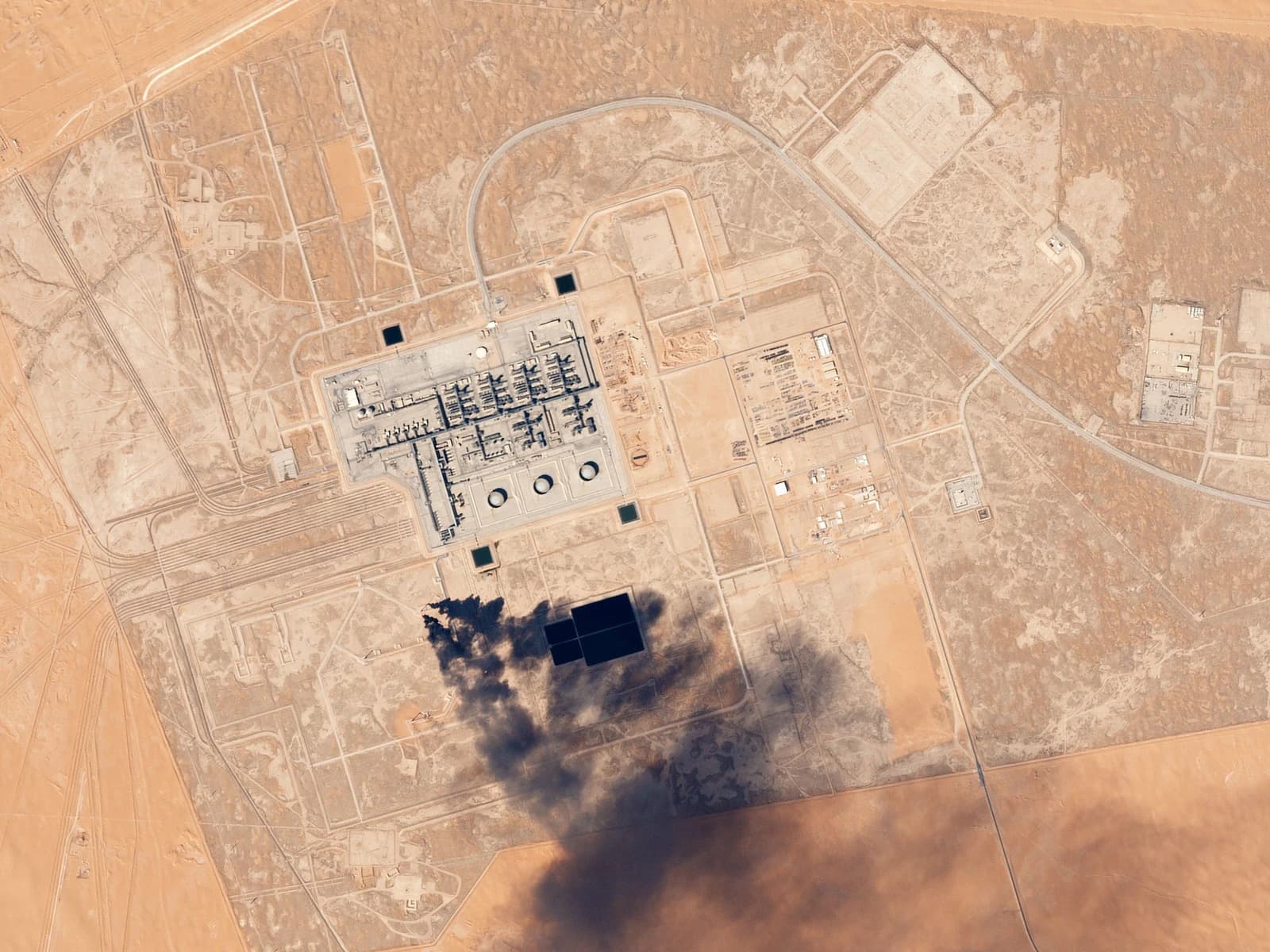
The strike did not disrupt operations at the Sheybah field, according to the Saudi energy ministry source cited by state news agency SPA, but the human cost and the location matter more than the damage. The field sits in the heart of Saudi Arabia’s oil system, where even a failed attack can force a security response, raise insurance and operational costs, and keep a geopolitical risk premium embedded in crude prices.
The incident came during a week of stepped-up attacks on Saudi territory, including multiple drone interceptions in the Eastern Province and the Medina region. A Saudi-led coalition spokesman said six drones were intercepted on Wednesday, including one in the Eastern Province, though no group was immediately named in the official account. The Houthi movement has increasingly targeted Saudi airports and energy sites this month, including an attack on Riyadh airport that killed 13 people and wounded hundreds, marking the most severe assault inside the kingdom in more than a decade.
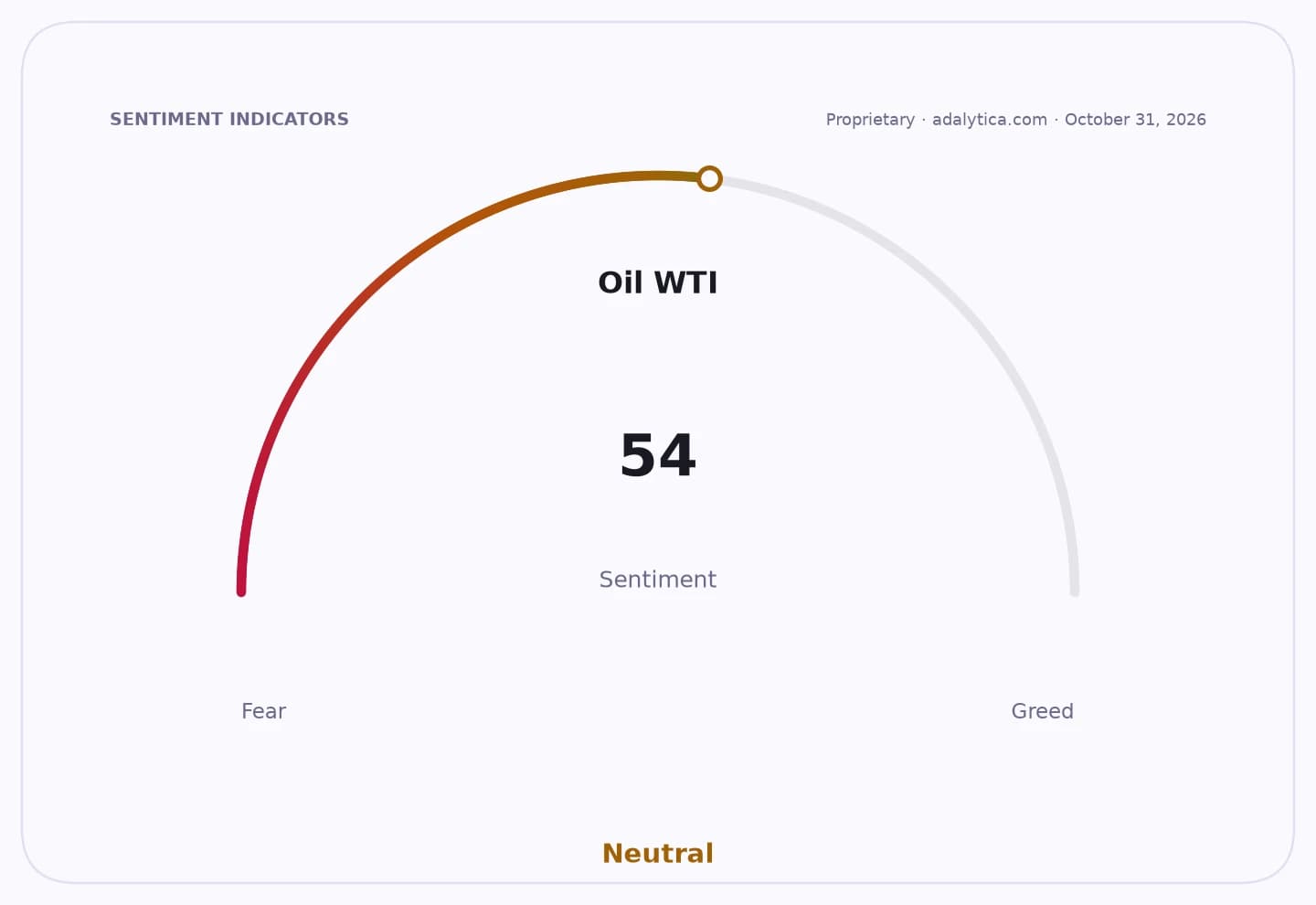
For investors, the message is less about lost barrels than about the fragility of supply chains attached to the world’s most important oil exporter. Aramco’s size and redundancy make a sustained outage unlikely from a single drone strike, but repeated incursions increase the odds of a larger disruption, while also supporting energy equities and crude-linked products when tensions rise. The market has already been prone to sharp swings on Middle East security headlines, and the latest attack reinforces why traders keep a bid under oil even when supply data are otherwise comfortable.
The broader economic impact falls on Saudi Arabia’s push to project stability as it expands investment and tries to diversify its economy. Frequent attacks raise the cost of protecting critical infrastructure and complicate the kingdom’s message to foreign investors that operations, logistics and capital spending are insulated from regional conflict. If the escalation continues, the risk premium could spread beyond oil to aviation, regional transport and contractors with exposure to sensitive industrial sites.
For now, the immediate operational effect appears contained. But with the conflict widening and Houthi attacks becoming more frequent, investors will be watching for any sign that Saudi defenses are being tested faster than they can absorb the threat.
| Entity | Gains | Losses |
|---|---|---|
| Saudi air defenses | ▲Demonstrate interception capability | ▼Face pressure from repeated attacks |
| Houthi militants | ▲Amplify regional disruption | ▼Fail to halt Aramco operations |
| Aramco / Saudi energy sector | ▲Operations remain intact | ▼Higher security and geopolitical risk |
| Oil bulls | ▲Sustained risk premium | ▼Bears on crude and energy stability |