Yemen’s Houthi rebels said they attacked Saudi Aramco facilities, airports and oil infrastructure across the kingdom, escalating a regional security flare-up that threatens energy routes, civil aviation and crude markets.
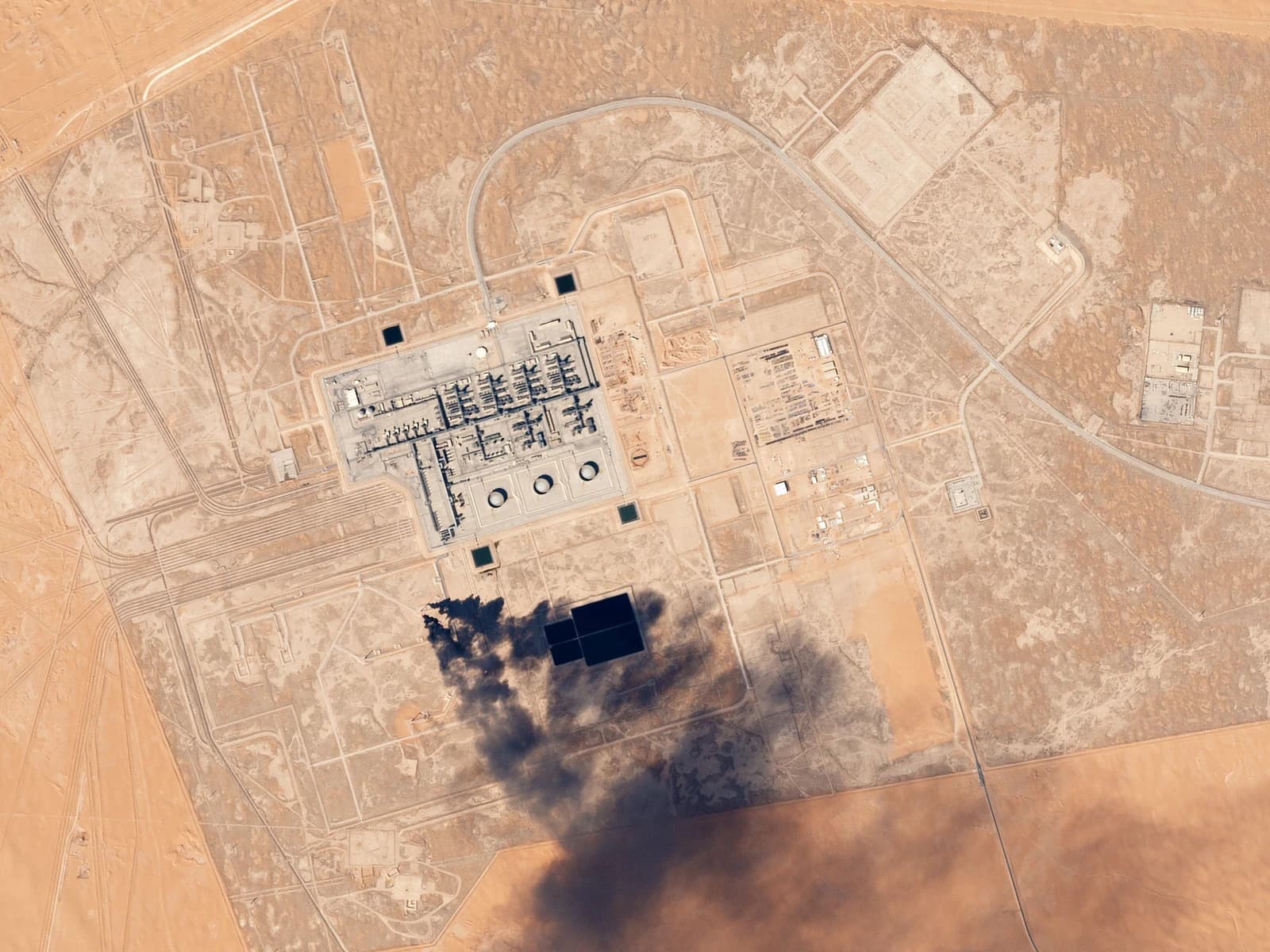
Saudi Aramco sites reportedly attacked by Houthis
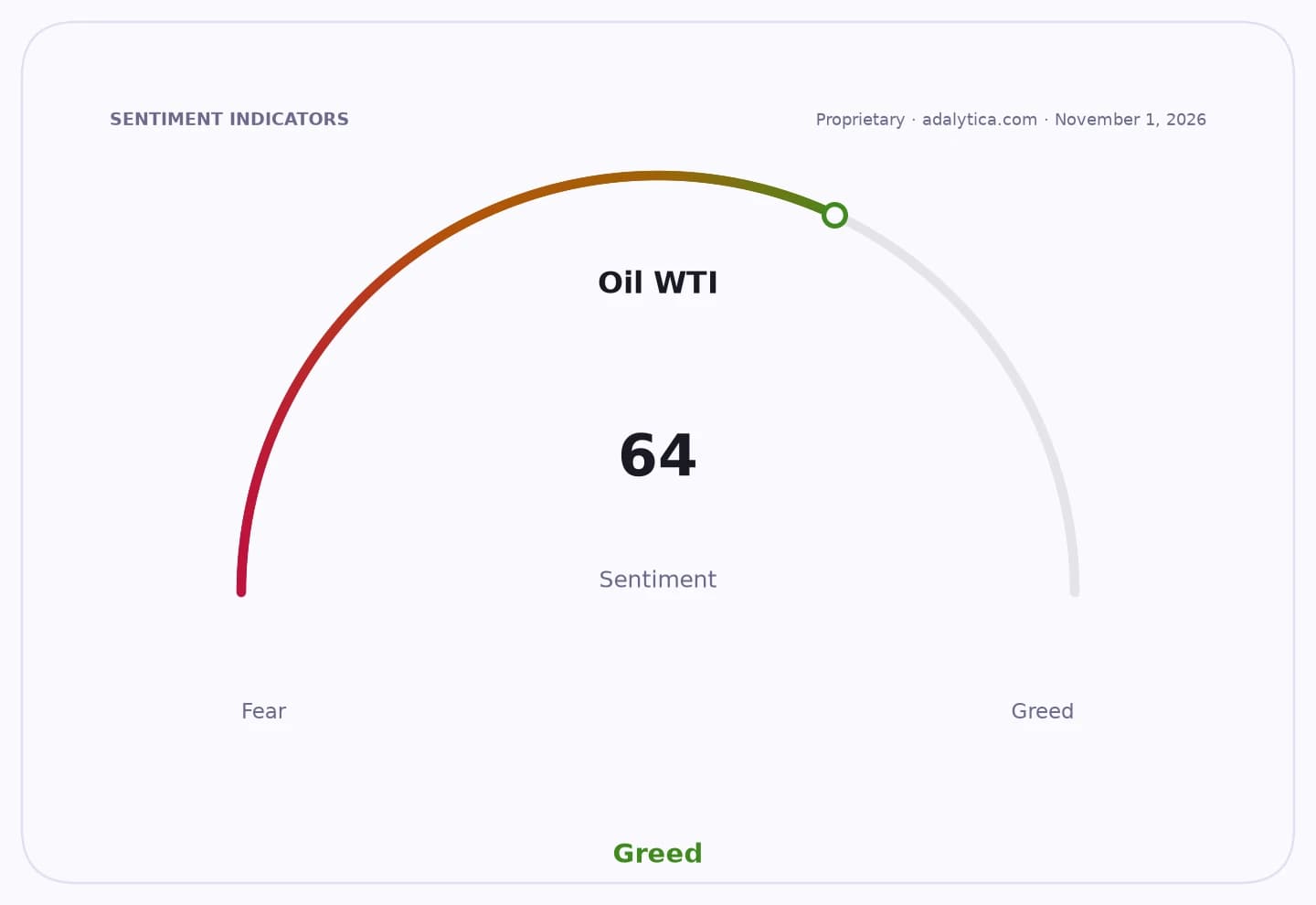
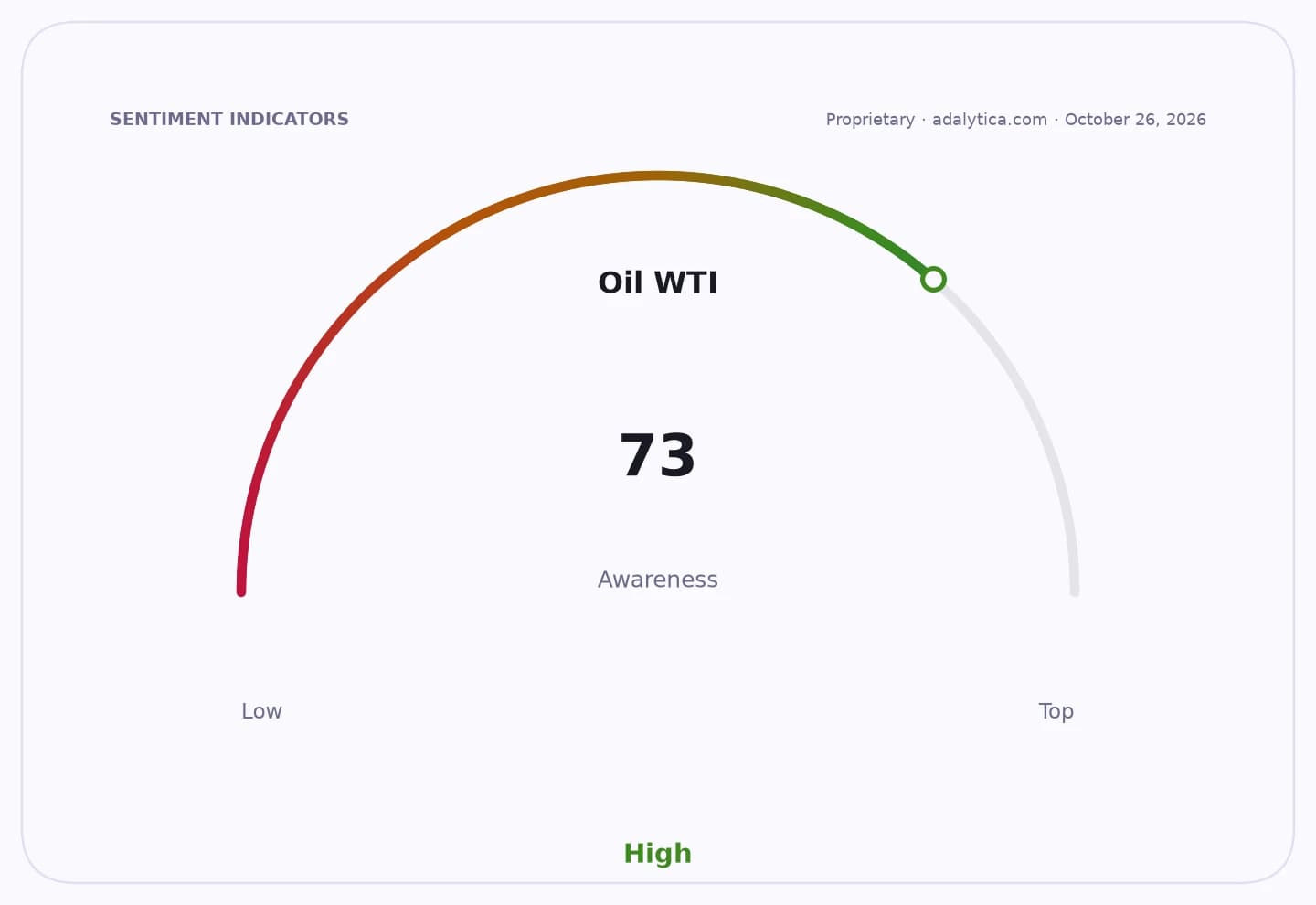
Oil WTI
The group said its targets included an Aramco site in Yanbu, the Rabigh refinery, King Khalid International Airport in Riyadh, King Fahd International Airport in Dammam and Najran airport, along with an airbase in Khamis Mushait, the East-West pipeline and crude pumping stations. Saudi authorities had not immediately confirmed the claims.
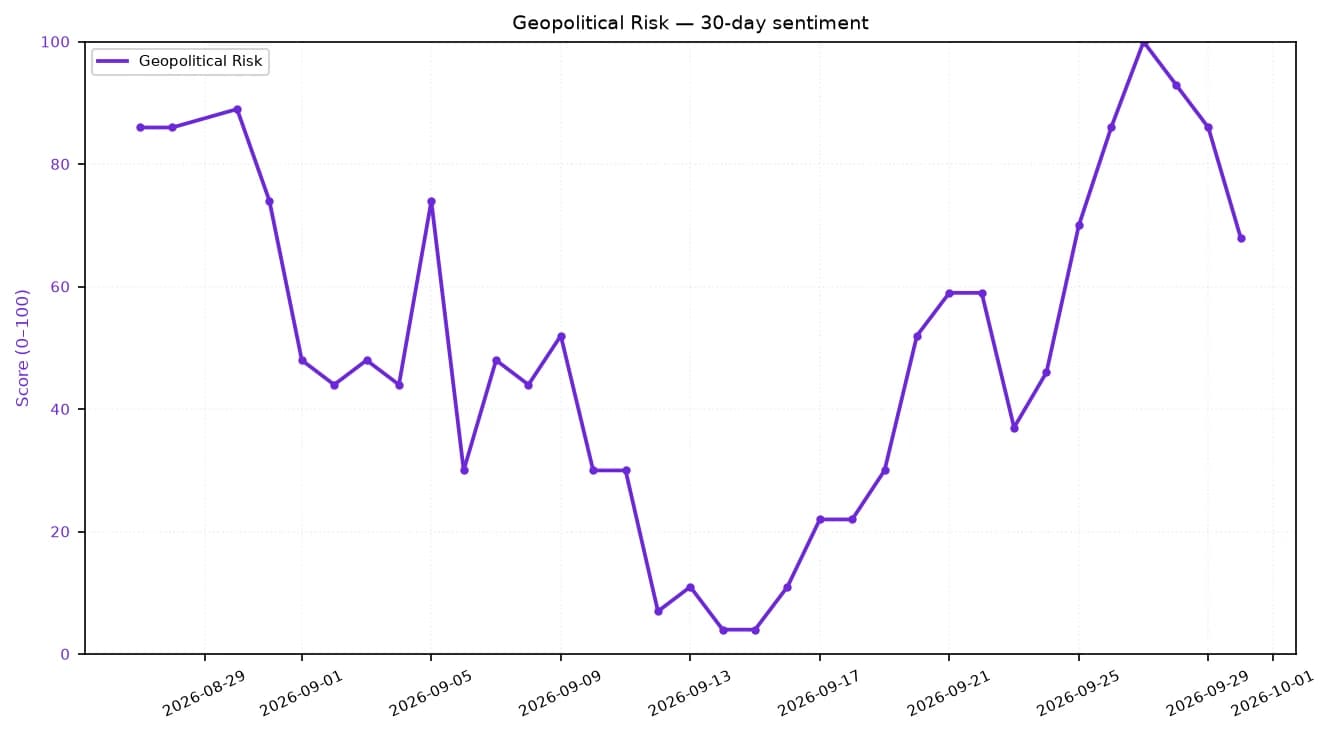
Sentiment Indicators
The announcement came hours after the Saudi-led coalition said it intercepted two ballistic missiles fired toward Taif and Yanbu, underscoring how quickly the conflict is spilling into one of the world’s most important oil-producing states. Saudi Arabia’s civil defense briefly issued alerts in Taif, Yanbu, Mecca and Jeddah before withdrawing them, a sign of the jumpy security environment around energy and transport hubs.
The economic significance is straightforward: the closer the fighting gets to Saudi export and transit infrastructure, the more risk traders must price into crude. Yanbu matters because it is a major Red Sea oil export hub and part of Riyadh’s effort to reduce reliance on the Strait of Hormuz, while the East-West pipeline gives the kingdom an alternative route for moving crude away from the Gulf.
Oil markets have already been primed for geopolitical shocks. Brent crude has been hovering near the low- to mid-$100s in recent sessions, while U.S. WTI futures settled at $104.12 on Oct. 30 after a run that pushed both benchmarks well above their 50-day and 200-day moving averages, with WTI also trading with an RSI of 66.4, a level that still reflects strong momentum. USO, the oil ETF, closed at $168.83 on Oct. 30, reinforcing how sensitive energy equities remain to Middle East headlines.
The broader backdrop is a renewed cycle of attacks and counterstrikes after a period of relative calm following the 2022 UN-brokered truce in Yemen. Saudi-backed forces and the Houthis are fighting again on multiple fronts, including the Red Sea coast and around Taiz, while the Houthis have also claimed strikes on Saudi-backed forces in Aden in recent days.
For investors, the immediate concern is not only higher crude prices but also the possibility of a more durable security premium across energy, shipping and defense assets if attacks persist. Oil producers and tanker operators stand to benefit from tighter supply expectations, while refiners, airlines and broader risk assets could come under pressure if the conflict begins to threaten physical flows rather than just headlines.
The next market catalyst is whether Saudi Arabia confirms damage or disruptions and whether the coalition reports further interceptions, any of which could push crude higher and keep volatility elevated across the energy complex.
| Entity | Gains | Losses |
|---|---|---|
| Oil producers | ▲Higher risk premium | ▼None in the near term |
| Refiners and airlines | ▲None | ▼Higher input and fuel costs |
| Saudi Arabia / Aramco | ▲None if assets are threatened | ▼Security and export risk |
| Tanker and defense stocks | ▲Higher activity and spending | ▼Risk of broader escalation |