Loud booms near Saudi Aramco’s Dhahran headquarters have revived fears that the kingdom’s energy infrastructure remains vulnerable, a risk that matters far beyond one building because even a limited strike on Aramco can rattle oil markets, raise insurance costs and harden geopolitical risk premiums.
Saudi Aramco Dhahran Headquarters Hit by Debris
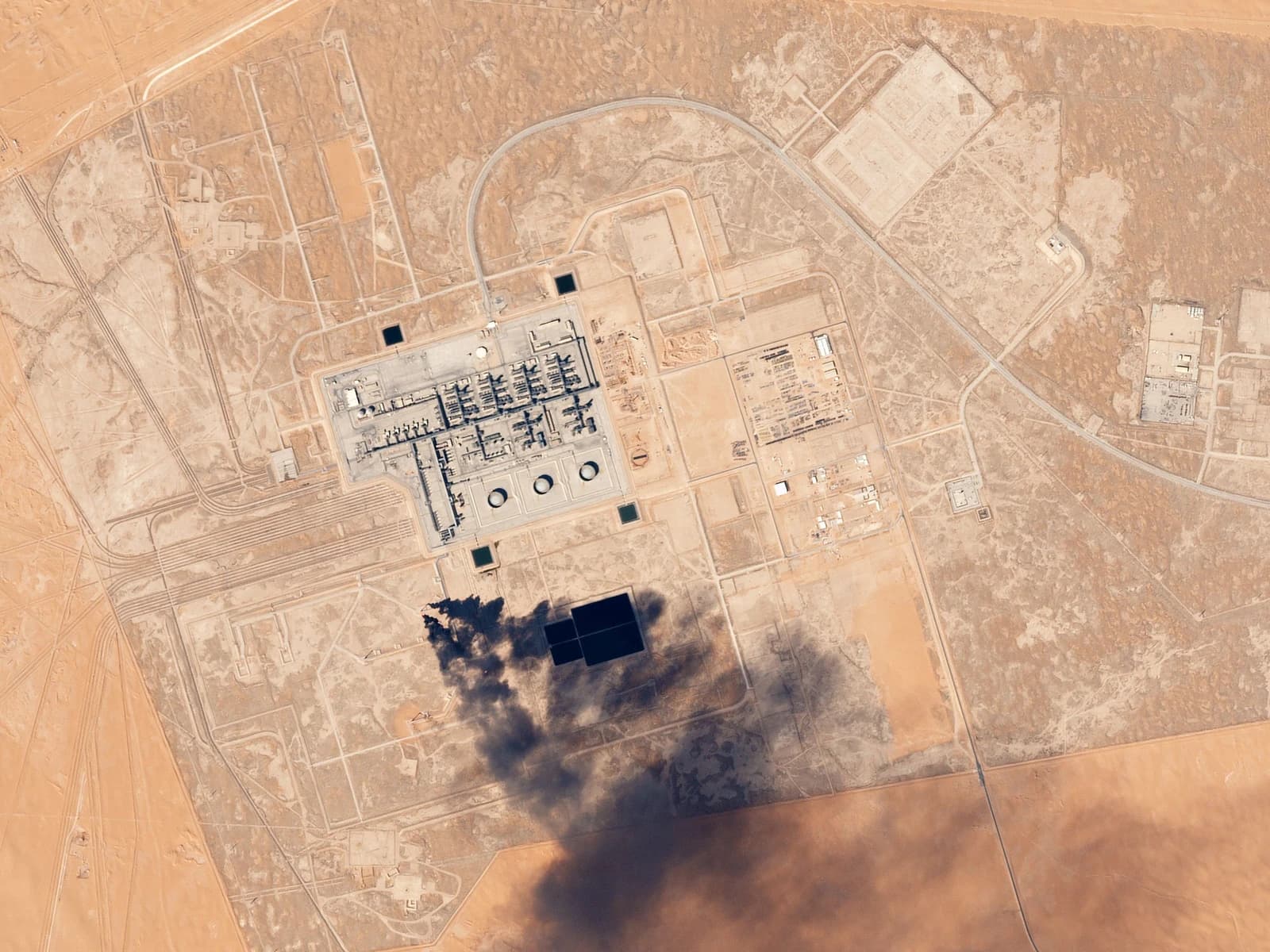
Reuters reported that the building was evacuated and employees were told to work from home after sources said the headquarters had been struck or hit by debris from an intercepted missile. The Saudi-led coalition said fragments from a missile destroyed in Dhahran fell on a residential area, while civil defense later warned of potential danger in Riyadh. Aramco itself gave no immediate comment.
The episode is economically significant because Aramco sits at the center of Saudi Arabia’s fiscal machine and the global oil supply chain. Any suggestion that its facilities, headquarters or associated infrastructure are under direct threat pushes investors to reassess the durability of supply from the world’s largest crude exporter. Even when damage is limited, the market reaction can extend to freight rates, refinery margins, regional security spending and the valuation premium applied to Gulf energy assets.
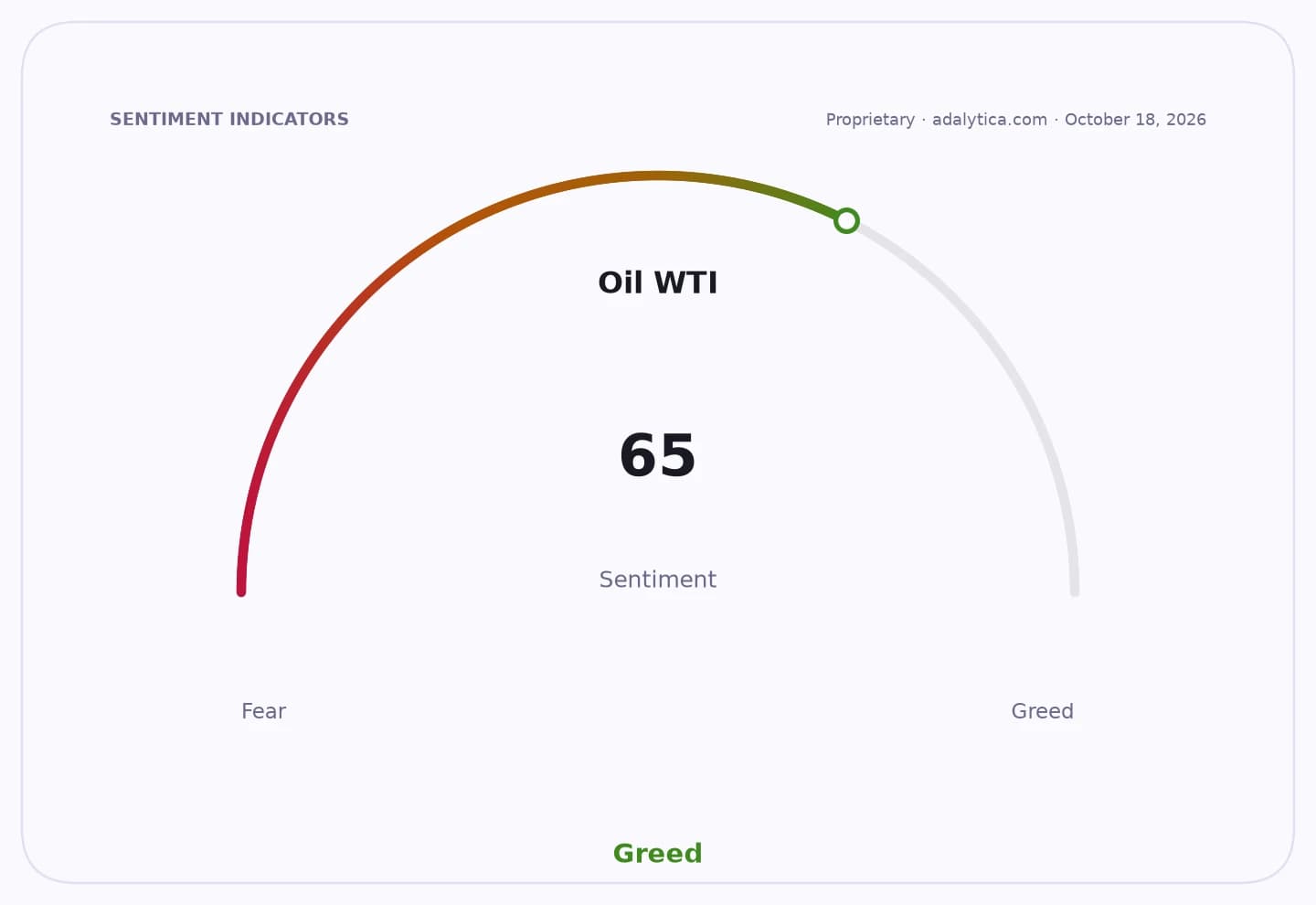
The reaction in energy prices underlines that sensitivity. U.S.-listed energy shares have remained strong, with the Energy Select Sector SPDR Fund near 66, well above its 50-day average of about 62.6 and its 200-day average of roughly 56.5, a sign investors have been paying up for crude exposure amid geopolitical tension. U.S. oil fund USO has also held elevated levels after a year of sharp swings, reflecting how quickly Middle East headlines can feed through to expectations for supply disruptions and higher near-term prices.
For Aramco, the bigger issue is not just physical disruption but the perception of vulnerability in a company that markets itself as a pillar of stability. Any extended security scare can complicate operating logistics, raise the cost of protecting assets and amplify scrutiny of Saudi Arabia’s ability to keep production and exports insulated from regional conflict. That matters for bondholders, equity investors and the kingdom itself, which depends heavily on oil revenue to fund its budget and diversification plans.
There is also a wider geopolitical layer. The attack comes against the backdrop of the long-running Saudi-Houthi conflict, where missile and drone strikes have repeatedly tested the kingdom’s air defenses and forced investors to price in the possibility of broader escalation. The warning issued in Riyadh suggests authorities were treating the threat as more than a localized incident, which raises the odds of heightened security measures around energy sites, airports and population centers.
For investors, the key question is whether this is an isolated scare or the start of a fresher risk premium for Gulf crude. A contained incident may fade quickly, but a repeat attack on Aramco-linked assets could support oil, benefit integrated producers and defense names, and weigh on airline, transport and consumer sectors sensitive to fuel costs. The market will be watching for confirmation of damage, any interruption to operations and whether Saudi authorities signal a sharper security response in the coming days.
| Entity | Gains | Losses |
|---|---|---|
| Oil bulls | ▲Higher risk premium | ▼Supply stability |
| Saudi Arabia | ▲Security urgency | ▼Investor confidence |
| Aramco | ▲None if damage is minor | ▼Operational credibility |
| Airlines/importers | ▲None | ▼Fuel-cost pressure |